Schroder House: A Masterpiece of Modern Architecture and De Stijl Design
The Schroder House, located in Utrecht, Netherlands, is one of the most celebrated works of 20th-century architecture. Designed in 1924 by Dutch architect Gerrit Rietveld in close collaboration with Truus Schröder-Schräder, the house embodies the principles of the De Stijl movement. Its radical design, defined by clean lines, geometric planes, and flexible interior spaces, challenged conventional domestic architecture and redefined how people could live within their homes.
In 2000, the Schroder House was inscribed as a UNESCO World Heritage Site, cementing its place as a cultural and architectural treasure. It is often studied not only for its historical value but also for its innovative approach to adaptability in design, which still resonates with modern architecture today.
Historical Background of the Schroder House
The early 20th century was a period of profound architectural experimentation. Movements such as Bauhaus in Germany and De Stijl in the Netherlands sought to redefine art, design, and architecture through abstraction, function, and simplicity. The Schroder House became the physical manifestation of these ideals.
Commissioned by Truus Schröder-Schräder, a progressive widow with three children, the house was meant to reflect her unconventional lifestyle. She envisioned a residence that was open, adaptable, and free from traditional constraints like rigid room divisions. This philosophy aligned perfectly with Rietveld’s modernist vision. Together, they produced a home that not only served its inhabitants but also stood as a bold architectural statement.
Architectural Design and Features
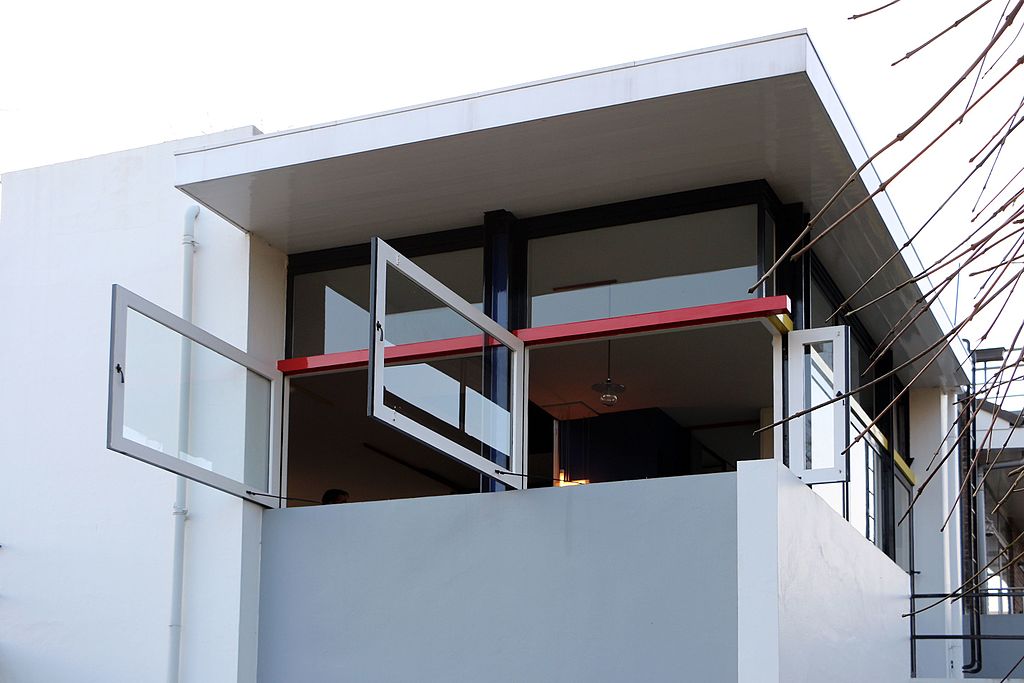
The Schroder House is characterized by its striking asymmetrical façade, flat roof, and use of primary colors red, blue, and yellow alongside neutral tones of white, black, and gray. This color palette reflected the De Stijl movement, pioneered by artists such as Piet Mondrian.
Inside, the home abandoned traditional fixed walls in favor of sliding and revolving partitions. This innovative design allowed rooms to be reconfigured throughout the day. A single open floor plan could become a series of private spaces or remain a fluid communal area. The adaptability was revolutionary in the 1920s, especially for a family setting.
The Open Plan Concept
One of the house’s most groundbreaking features was its open-plan living space on the upper floor. Unlike conventional European houses of the era, which emphasized rigid separation between rooms, the Schroder House emphasized freedom and flow. This adaptability reflected Truus Schröder’s philosophy of raising her children in an environment that encouraged openness and flexibility.
Integration with Modern Lifestyle
The Schroder House was also carefully designed to integrate everyday living with modern needs. Large windows ensured an abundance of natural light, while balconies and terraces connected the interior with the outside world. It was not just a place to live but also a statement about embracing new ways of thinking.
Real-World Examples and Influences
Bauhaus Dessau (Germany)
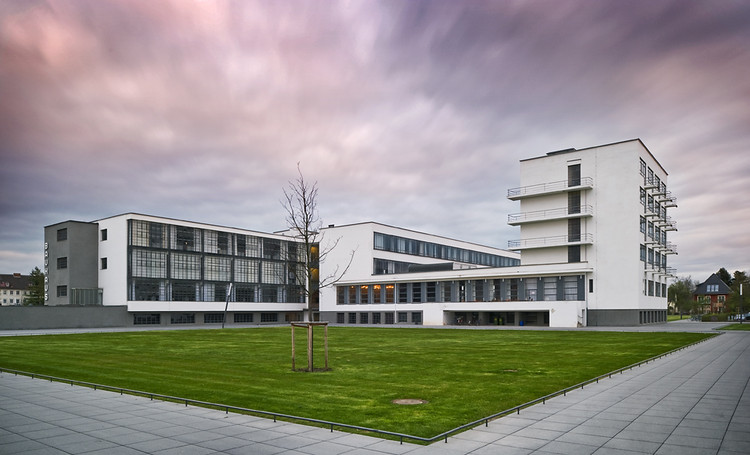
The Schroder House’s emphasis on simplicity, functionality, and geometric clarity had strong parallels with the Bauhaus school in Dessau, Germany. Walter Gropius’s Bauhaus building, completed in 1926, shared Rietveld’s interest in industrial materials, open plans, and stripped-down aesthetics. Both projects represent the shift from decorative architecture to functional modernism.
The Bauhaus Dessau became a hub for experimentation in design, much like the Schroder House became a lived experiment in adaptable housing. These buildings collectively influenced the direction of 20th-century architecture worldwide.
Villa Savoye by Le Corbusier (France)
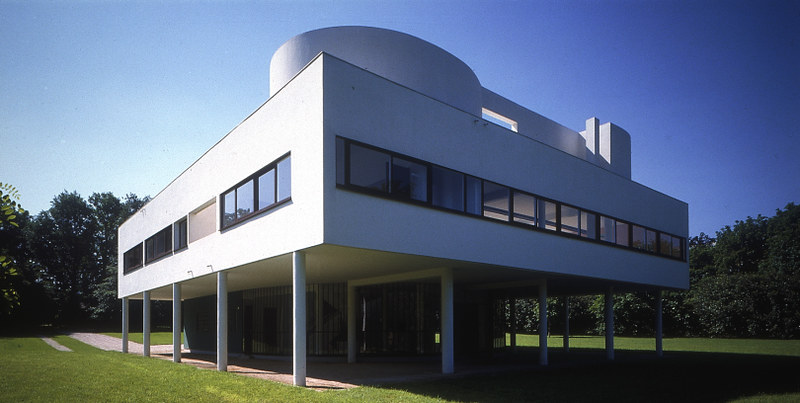
Le Corbusier’s Villa Savoye (1931), located in Poissy, France, also pushed boundaries with its modernist approach. Like the Schroder House, it prioritized open spaces, flat roofs, and integration with its surroundings. Both homes illustrate how architects sought to create machines for living, where design served function while maintaining elegance.
The Schroder House’s reconfigurable partitions can be seen as a precursor to Le Corbusier’s focus on spatial freedom. These shared innovations highlight a broader European movement toward rejecting tradition in favor of flexibility and efficiency.
Eames House (Case Study House No. 8, USA)
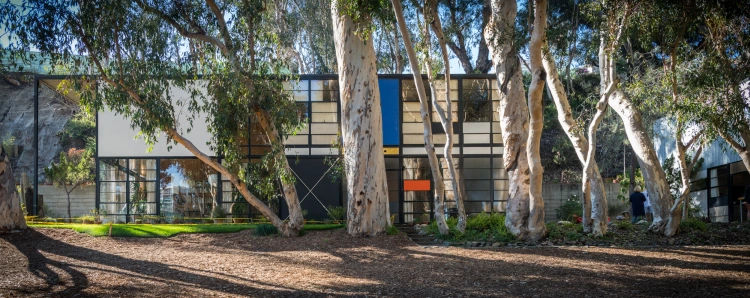
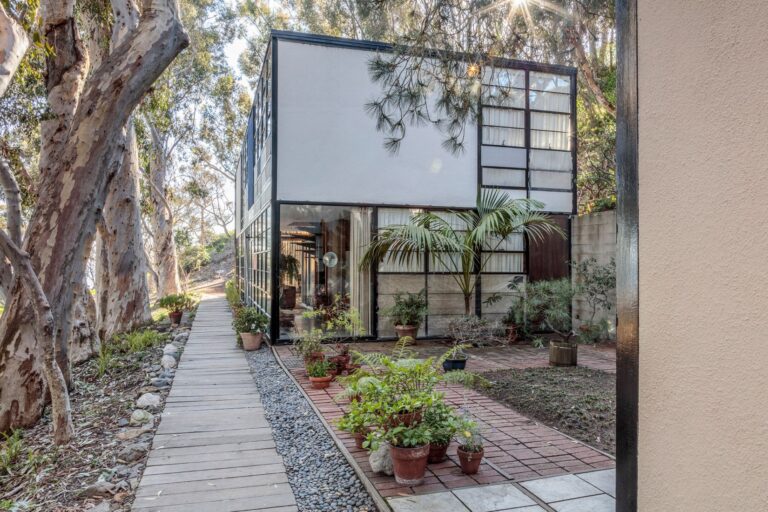
In the United States, Charles and Ray Eames designed the Eames House (1949), part of the Case Study House program. Like the Schroder House, it used industrial materials, modular components, and a balance of functionality with beauty. Both designs embraced the philosophy of modern living, prioritizing flexibility, creativity, and integration of nature.
The Eames House is considered a landmark of mid-century modern architecture, but its experimental spirit is rooted in earlier pioneers like Rietveld and Schröder. The Schroder House directly influenced this ethos of design as a way of life.
Benefits of the Schroder House Design Philosophy
The Schroder House’s design continues to inspire architects because of the many benefits it introduced:
- Flexibility in Living Spaces: Movable partitions provided a living environment adaptable to changing needs. This idea remains vital in today’s urban housing, where space efficiency is essential.
- Integration of Art and Life: By incorporating De Stijl’s principles, the house blurred the boundaries between architecture and abstract art, creating an immersive living experience.
- Natural Light and Connection to Nature: Large windows and open terraces ensured that inhabitants remained connected to the outside world, promoting mental well-being.
- Efficient Use of Space: Every aspect of the house served a functional purpose, setting a precedent for sustainable and efficient housing design.
These innovations were far ahead of their time, demonstrating how design could address both aesthetic aspirations and practical living challenges.
Real-Life Relevance of the Schroder House Today
Urban Housing Challenges
In today’s cities, housing shortages and high real estate prices demand creative use of space. The Schroder House offers a timeless solution with its adaptable floor plans, showing how small spaces can feel expansive and multifunctional.
Sustainable Living
Modern sustainability practices emphasize efficiency and minimalism. The Schroder House’s compact, functional design exemplifies how thoughtful architecture can reduce waste and maximize usability, aligning perfectly with today’s eco-conscious trends.
Family-Centric Design
Truus Schröder’s original vision to raise children in a flexible, open environment remains highly relevant. Today’s families often require spaces that can adapt to work, study, and leisure. The Schroder House demonstrates how architecture can accommodate evolving family dynamics.
Lasting Influence and Legacy
The Schroder House remains a pilgrimage site for architects, designers, and art enthusiasts worldwide. It not only showcases the brilliance of Gerrit Rietveld but also highlights the vital contribution of Truus Schröder-Schräder, whose ideas shaped the home’s radical vision.
Its recognition as a UNESCO World Heritage Site underscores its universal cultural significance. More than just a house, it represents a milestone in the history of modern architecture, proving that design can transform not just structures but also lifestyles.
FAQs
1. Why is the Schroder House considered so important in architecture?
The Schroder House is significant because it was one of the first to fully embody the principles of the De Stijl movement. Its open-plan design, movable partitions, and integration of art and architecture made it a revolutionary model for modern living.
2. How does the Schroder House reflect the De Stijl movement?
The house uses geometric shapes, an asymmetrical façade, and a color palette of primary colors with neutrals, all hallmarks of De Stijl. It transformed these artistic ideals into practical, livable spaces, making it a functional work of art.
3. Can people visit the Schroder House today?
Yes, the Schroder House in Utrecht is open to the public as a museum. Visitors can explore its interiors, learn about its history, and experience firsthand the flexible design that has influenced modern architecture globally.