Modern Modular Buildings: Innovative Design and Future-Ready Solutions
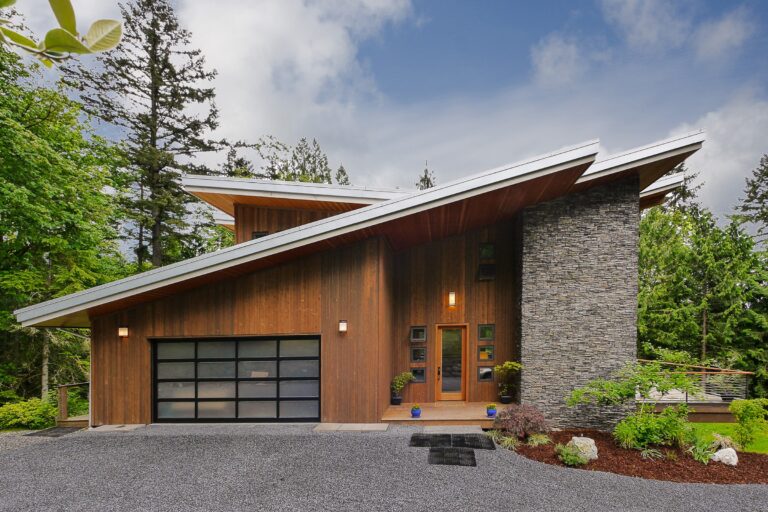
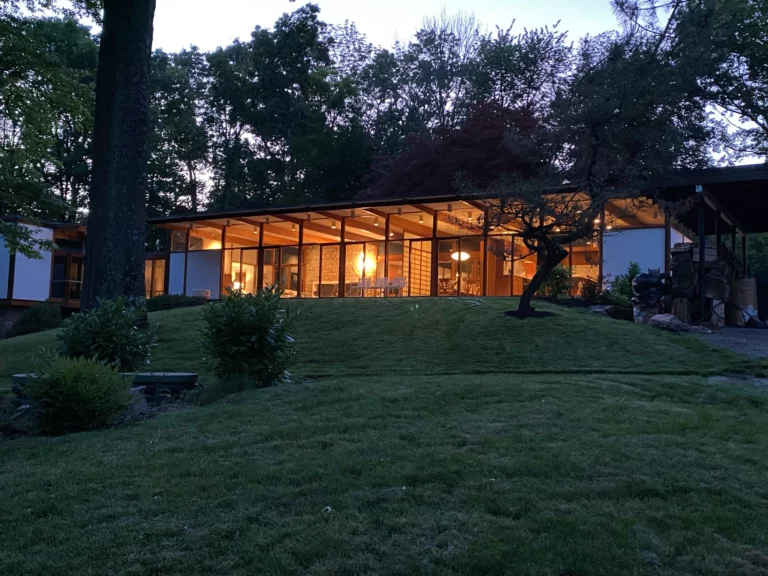
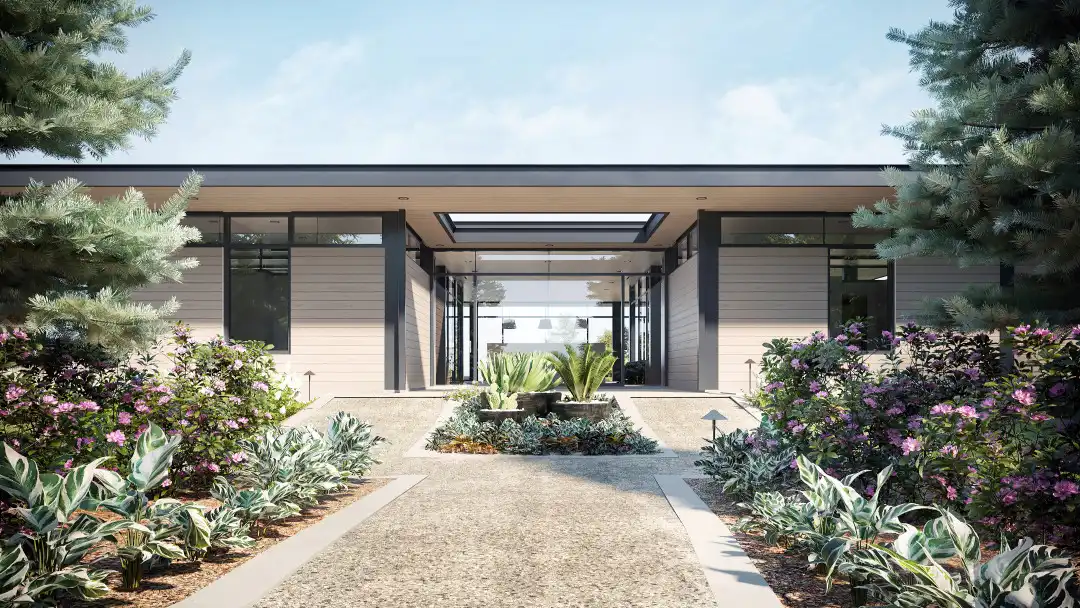
Modern modular buildings represent one of the most significant shifts in the construction industry, blending technology, sustainability, and efficiency into a single solution. Unlike traditional methods, modular construction involves prefabricating sections of a building in a factory setting before transporting them to the site for assembly. This approach not only saves time but also ensures higher quality control.
The increasing demand for cost-efficient, flexible, and environmentally friendly structures has fueled the rise of modular construction worldwide. From residential housing and office buildings to schools and medical facilities, modern modular buildings have proven to be adaptable solutions for diverse needs.
Evolution of Modular Construction
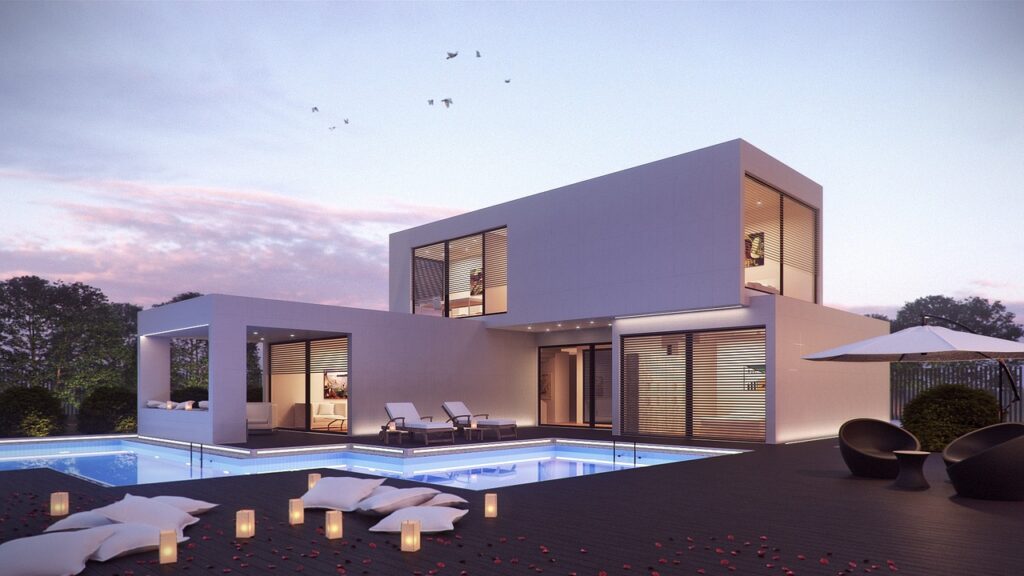
The concept of modular buildings dates back decades, but modern advancements have transformed the industry. Earlier designs focused on temporary housing or utilitarian purposes, while today’s modular buildings prioritize aesthetics, durability, and sustainability.
Architects and engineers now integrate high-quality materials, energy-efficient systems, and innovative designs to create modular structures that rival traditional construction. The evolution has shifted modular buildings from being viewed as simple solutions to being celebrated as architectural innovations.
Key Features of Modern Modular Buildings
One of the defining aspects of modular construction is its adaptability. Whether it’s a residential dwelling or a corporate headquarters, the building can be tailored to specific needs.
- Prefabrication Efficiency: Modular components are built in controlled environments, reducing waste and construction delays.
- Eco-Friendly Materials: Many modular buildings incorporate recycled or sustainable materials to reduce their environmental impact.
- Flexible Design: Modules can be rearranged, expanded, or customized to accommodate future needs.
- Energy Performance: Integration of green technologies, such as solar panels and efficient insulation, enhances energy savings.
Real-World Examples of Modern Modular Buildings
Modular Housing for Urban Living
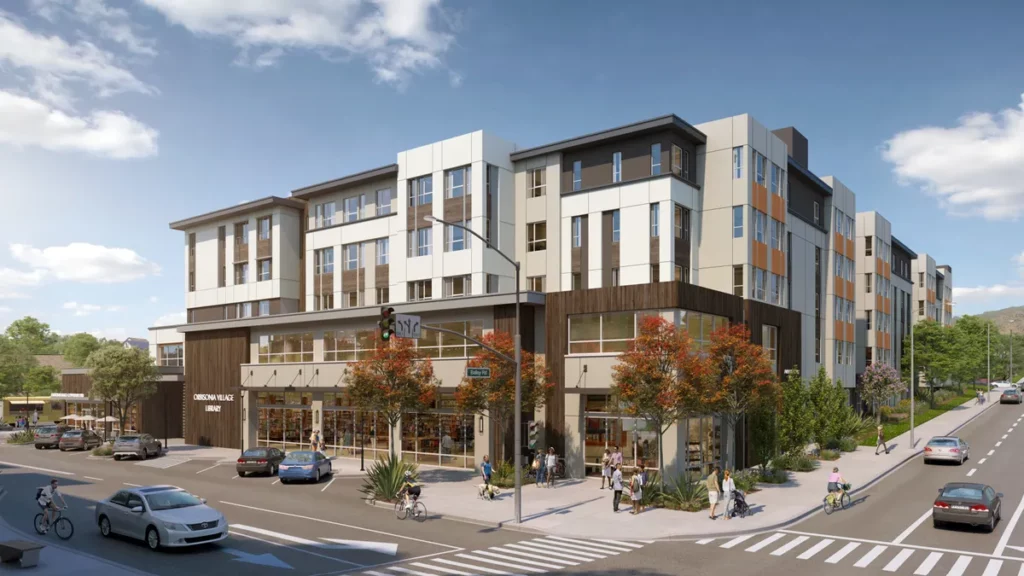
Urban areas face challenges like housing shortages, high construction costs, and limited space. Modular housing projects offer a practical solution. Multi-story modular apartments can be assembled quickly while maintaining high design standards. These buildings also support sustainable urban development, minimizing environmental disruption.
Such housing projects demonstrate how modular designs can meet the growing demand for affordable yet modern living spaces without sacrificing style or comfort.
Modular Office Buildings
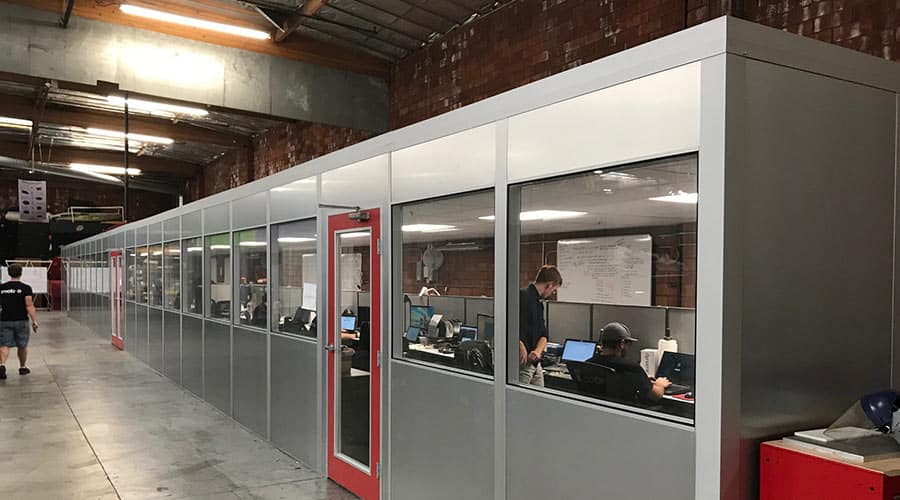
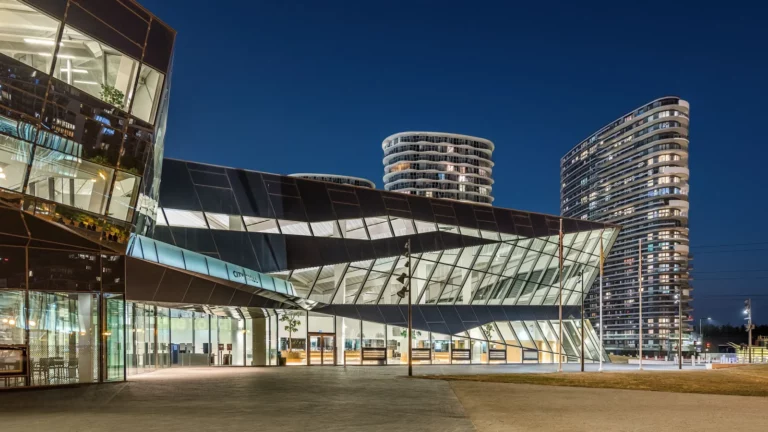
Companies are increasingly adopting modular offices to meet evolving workplace needs. These buildings provide fast turnaround times, allowing businesses to set up functional workspaces in record time. They also allow flexibility for future expansion or relocation.
For instance, startups and technology firms often prefer modular offices due to their ability to adapt to growth without requiring full reconstruction. These spaces combine contemporary aesthetics with functionality, offering a professional yet flexible environment.
Modular Healthcare Facilities
Healthcare providers benefit from modular construction because of its ability to deliver fully functional facilities quickly. Hospitals and clinics can expand capacity using modular wings or mobile treatment units without the lengthy delays of traditional construction.
This has been particularly crucial during emergencies, such as pandemics, when rapid deployment of healthcare infrastructure is necessary. Modular healthcare facilities also prioritize hygiene and compliance with medical standards, ensuring patient safety and efficient operation.
Modular Educational Buildings
Schools and universities often face the challenge of growing enrollments and limited classroom space. Modular educational facilities provide a fast and cost-effective solution. These buildings are designed to meet strict safety and accessibility standards while creating inspiring learning environments.
They also allow institutions to expand or reconfigure classrooms depending on student needs, making them highly adaptable for future academic growth.
Luxury Modular Villas
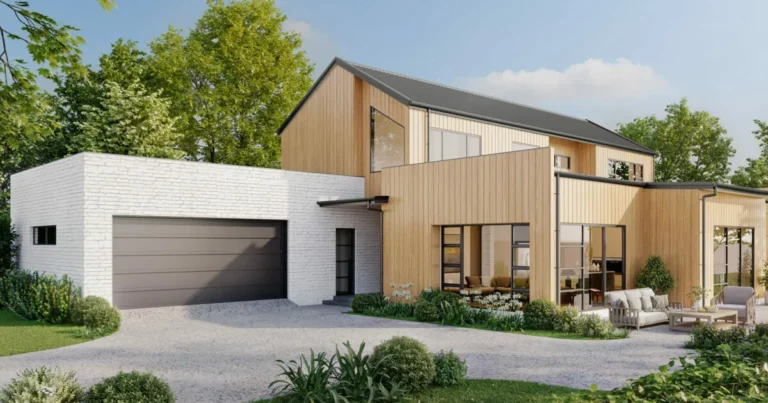
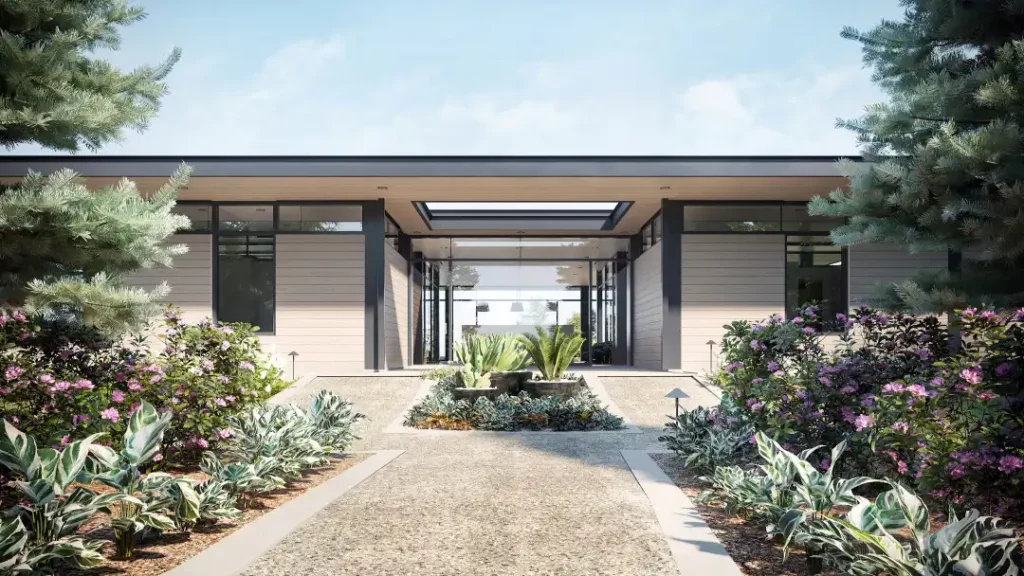
Luxury living has also embraced modular design. High-end modular villas showcase that modular buildings are not just practical but also aspirational. These villas incorporate premium materials, smart home technologies, and custom architecture.
The speed of construction, combined with luxury-level finishes, makes modular villas highly attractive for developers and homeowners who seek efficiency without compromising exclusivity.
Benefits of Modern Modular Buildings
Modern modular construction offers numerous advantages that make it appealing across industries.
- Speed of Construction: Projects are completed up to 50% faster than traditional methods due to simultaneous site preparation and prefabrication.
- Cost Efficiency: Controlled factory environments reduce labor costs and minimize delays caused by weather.
- Environmental Sustainability: Reduced waste, lower carbon footprints, and integration of renewable energy technologies make modular buildings eco-friendly.
- Design Flexibility: Modular designs can evolve with changing needs, supporting long-term use and expansion.
- Quality Control: Factory-built modules ensure consistent quality standards compared to on-site variability.
Use Cases of Modern Modular Buildings
Solving Housing Shortages
Cities worldwide struggle with affordable housing shortages. Modular housing offers scalable and rapid solutions, helping governments and developers meet rising demand.
Responding to Emergencies
In disaster-stricken regions, modular facilities can provide immediate housing, medical units, and shelters. This ability to deliver essential infrastructure within days makes them invaluable in crisis response.
Expanding Businesses Quickly
Startups and expanding companies need flexible office solutions. Modular construction allows businesses to scale infrastructure without long-term disruptions.
Reducing Environmental Impact
For organizations committed to sustainability, modular buildings align with eco-conscious goals. The reduced construction waste and energy-efficient designs help minimize environmental impact.
The Future of Modular Construction
The future of modular buildings looks promising, with advancements in automation, 3D printing, and AI-driven design likely to shape the industry further. As smart technologies integrate into modular systems, buildings will become more energy-efficient, adaptable, and sustainable.
Urban planners and architects are increasingly seeing modular construction not just as an alternative but as the future standard in modern infrastructure.
Frequently Asked Questions
1. Are modern modular buildings durable compared to traditional construction?
Yes, modern modular buildings are built to meet or exceed local construction codes. They use high-quality materials and are engineered to withstand transportation, assembly, and long-term use, making them as durable as traditional structures.
2. Can modular buildings be customized?
Absolutely. Modern modular buildings are highly customizable. Homeowners, businesses, and institutions can choose layouts, finishes, and designs tailored to their specific needs and aesthetic preferences.
3. How do modular buildings impact the environment?
Modular buildings significantly reduce environmental impact by minimizing construction waste, lowering energy use during production, and supporting renewable energy integration. Many also use sustainable materials, making them eco-friendly solutions.