Modern House Roof Design: Innovation, Styles, Benefits, and Real-World Examples
Modern house roof design has transformed significantly in recent decades, moving far beyond its traditional role as a simple shelter. Today, the roof is a core element of architectural expression, sustainability, and technology integration. The design of modern roofs combines aesthetics with performance, ensuring that homes not only look appealing but also deliver comfort, energy efficiency, and durability.
Unlike conventional pitched or flat roofs of the past, modern designs often feature minimalist lines, eco-friendly materials, and innovative construction techniques. From solar-ready rooftops to green roofs that support vegetation, the modern house roof embodies the convergence of architecture and environmental responsibility. This evolution is driven by homeowners’ increasing demand for sustainable living spaces and architects’ pursuit of creative yet functional solutions.
Key Characteristics of Modern House Roof Design
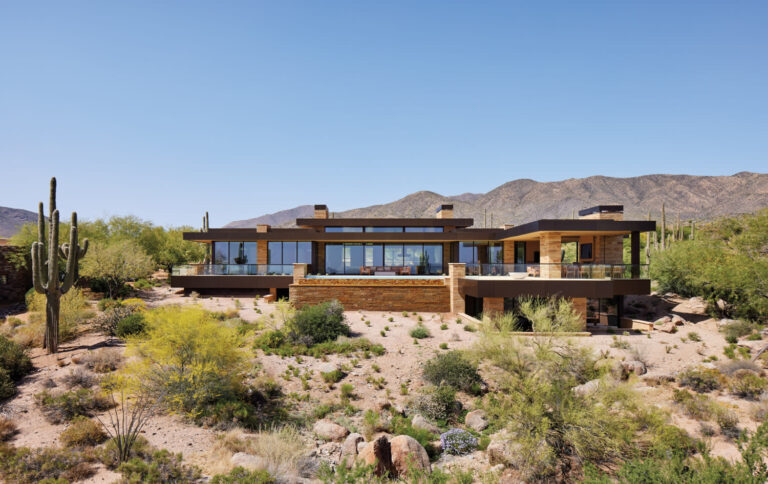
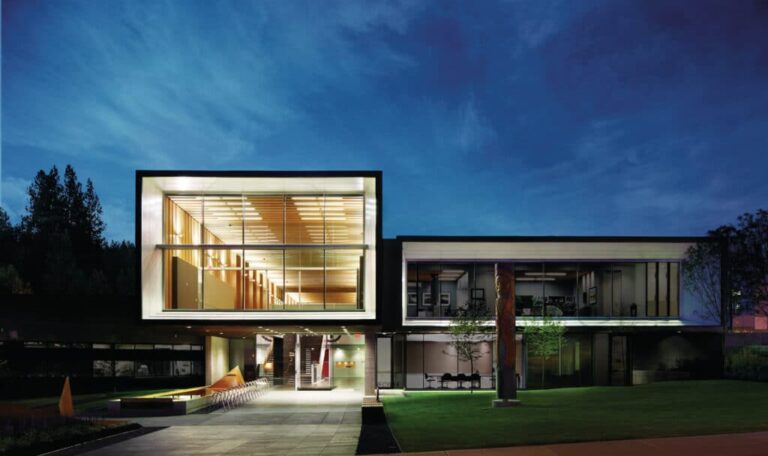
Modern roof design is characterized by sleek geometry, clean lines, and the use of innovative building materials. Flat roofs, sloping asymmetrical forms, and cantilevered extensions have become popular in contemporary homes, reflecting the architectural trend of minimalism and openness.
Another defining aspect is the integration of eco-conscious elements. Solar panels, rainwater harvesting systems, and reflective roof coatings are often included to reduce energy consumption and environmental impact. Furthermore, many modern roofs incorporate large overhangs or extended eaves, which provide shade and reduce heat gain while adding a striking visual appeal.
The choice of materials is also critical in modern roof design. Architects now experiment with glass, metal, concrete, and composite materials to create roofs that are durable, weather-resistant, and aesthetically innovative. This focus on both design and functionality sets modern house roofs apart from traditional models.
Popular Styles in Modern Roof Design
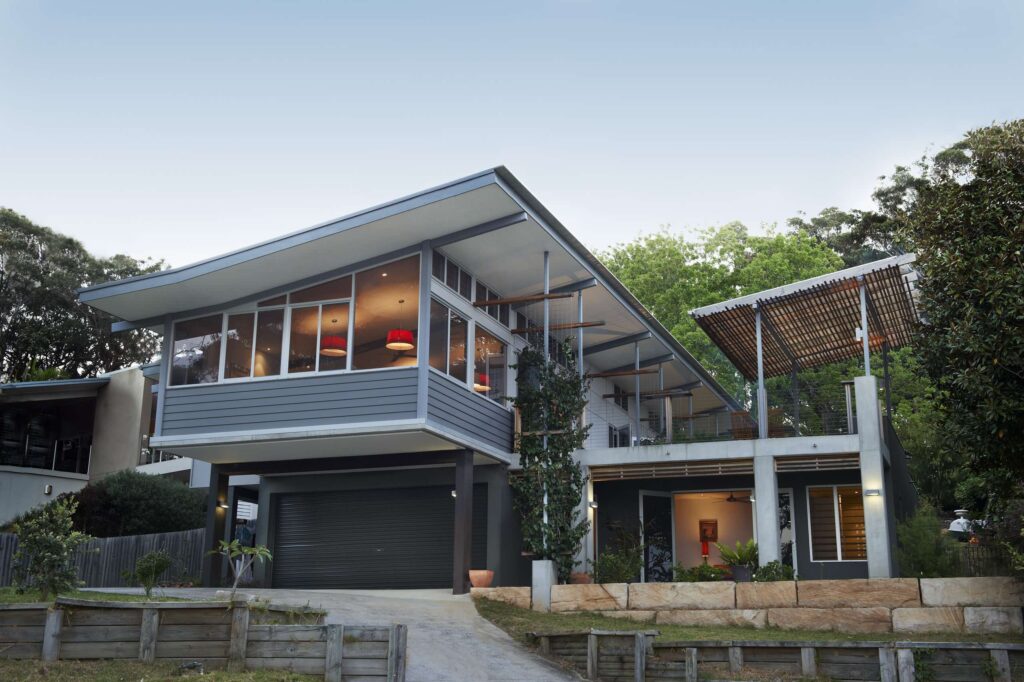
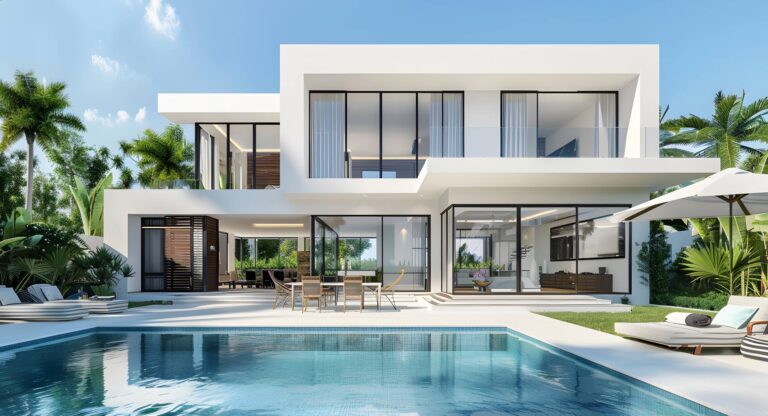
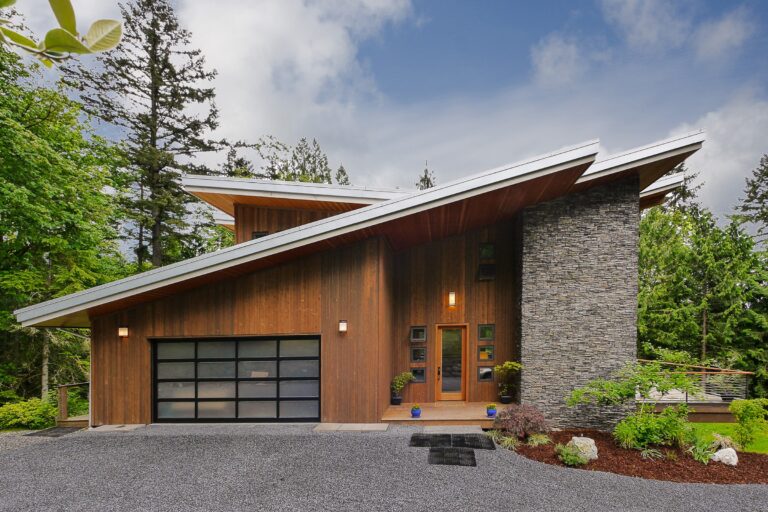
Modern roof designs can be categorized into several distinctive styles, each offering unique advantages. Flat roofs, for instance, are often used in minimalist or urban homes, providing a sleek look and additional space for rooftop gardens or solar installations. Sloping roofs with sharp, clean angles emphasize dramatic architectural lines while allowing efficient water drainage.
Green roofs have also gained immense popularity in contemporary architecture. These roofs support vegetation and create micro-ecosystems that improve air quality and reduce heat absorption. Butterfly roofs, with their inverted V-shape, not only stand out visually but also allow efficient rainwater collection, aligning perfectly with sustainable living principles.
Each of these styles represents the intersection of form and function, enabling homeowners to select designs that meet both aesthetic preferences and practical needs.
The Role of Technology in Modern House Roof Design
Technology has reshaped how roofs are designed, built, and maintained. One of the most notable advancements is the integration of solar technology directly into roofing systems. Solar shingles, for instance, blend seamlessly with modern roofs while generating clean energy, making them both functional and visually appealing.
Smart roofing materials are also on the rise. Heat-reflective coatings, moisture-detecting sensors, and automated shading systems enhance comfort while extending the roof’s lifespan. Drones and 3D modeling software now assist architects and builders in precision design, ensuring every angle and material choice aligns with the homeowner’s needs and environmental considerations.
By embracing technology, modern roofs have evolved into intelligent components of a home that contribute to energy efficiency, sustainability, and enhanced living experiences.
Real-World Examples of Modern House Roof Designs
The Fallingwater House by Frank Lloyd Wright
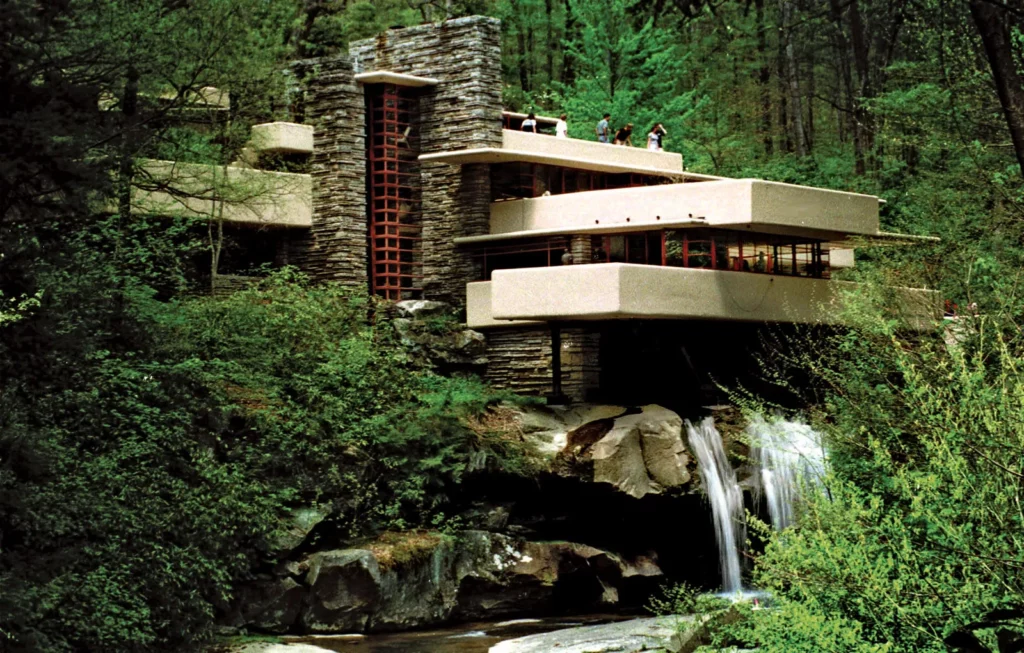
The Fallingwater House is one of the most iconic examples of modern architectural innovation, and its roof design plays a crucial role in its overall impact. Designed with flat, cantilevered roof slabs, the house merges seamlessly with the surrounding landscape, creating a harmonious balance between human-made structure and nature.
The use of horizontal planes and extended overhangs demonstrates how modern roof design can integrate both aesthetic elegance and practical shading. Fallingwater continues to inspire contemporary architects who seek to merge functionality with natural surroundings.
The Glass House by Philip Johnson
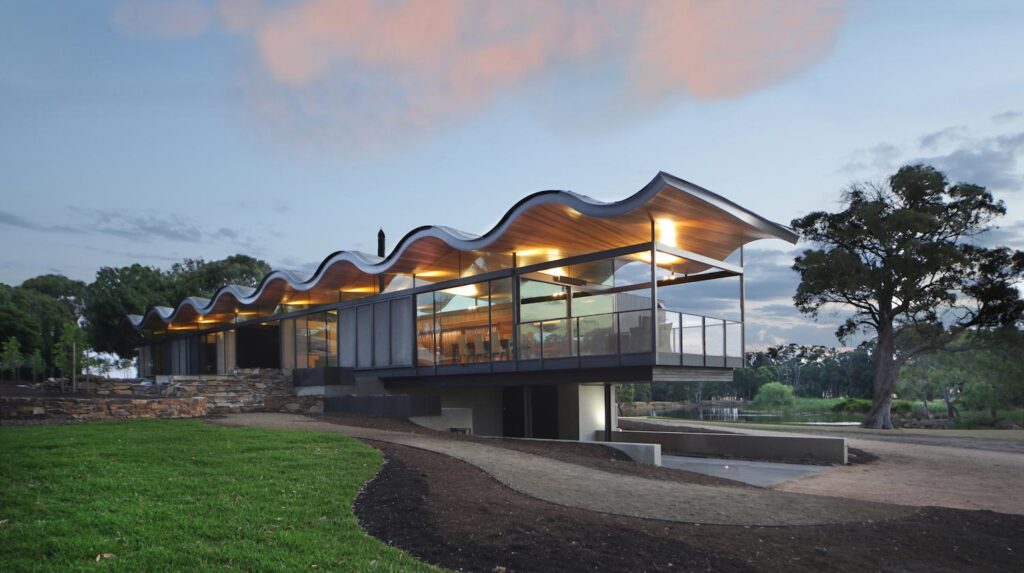
Philip Johnson’s Glass House is another prime example of how modern roofs define architectural identity. The house features a minimalist flat roof that complements its transparent glass walls, reinforcing the concept of simplicity and openness.
The flat roof not only enhances the building’s sleek appearance but also demonstrates the efficiency of minimalist design in modern architecture. It reflects how roofs can play a subtle yet powerful role in shaping the overall character of a home.
Villa Savoye by Le Corbusier
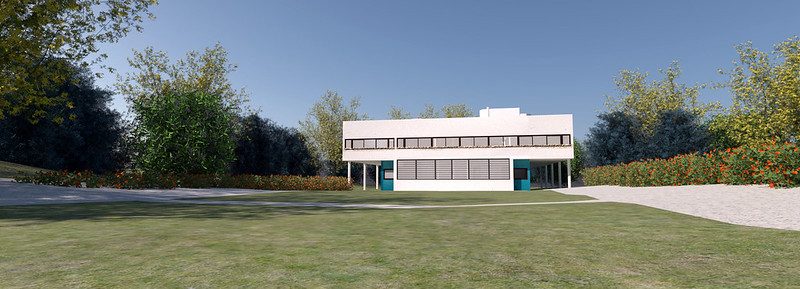
Villa Savoye, designed by Le Corbusier, showcases one of the earliest implementations of roof gardens in modern architecture. Its flat roof doubles as a usable space for relaxation and leisure, embodying the principle of integrating living and green spaces.
The design illustrates how modern roofs can transform into functional extensions of a home, serving not just as shelter but as an additional living area. Villa Savoye’s roof concept has influenced countless contemporary architects to adopt similar approaches in modern housing.
A Modern Eco-Home in Singapore
In Singapore, where sustainability is a priority, many modern homes are designed with green roofs. One standout eco-home features a rooftop garden that not only reduces heat absorption but also provides a serene outdoor space in an urban setting.
This modern roof design highlights the practical benefits of integrating vegetation into architecture. Beyond its visual appeal, the green roof enhances thermal regulation, reduces reliance on air conditioning, and supports biodiversity in the city.
Benefits of Modern House Roof Design
Modern roof designs bring multiple benefits that extend well beyond aesthetics. Energy efficiency is among the most significant advantages. With features such as solar integration, reflective coatings, and green roofs, modern houses consume less energy and contribute to sustainability.
Another important benefit is improved comfort. Extended eaves, smart materials, and shading features regulate temperature and minimize indoor heat, creating a more pleasant living environment. Furthermore, modern roofs are often designed with durability in mind, using advanced materials that withstand extreme weather conditions and require minimal maintenance.
In addition, modern roof designs add value to a property. Homes with innovative and sustainable roofs are often more appealing to buyers, reflecting a forward-thinking approach that resonates with contemporary lifestyle trends.
Use Cases of Modern House Roof Design
Modern roof designs solve practical challenges that homeowners face today. In regions with high rainfall, sloping or butterfly roofs ensure efficient water drainage and collection, reducing the risk of water damage while supporting sustainable water use. In hot climates, green roofs and reflective coatings help regulate indoor temperatures, lowering cooling costs and enhancing comfort.
For urban homes with limited land, flat roofs provide additional usable space. They can serve as rooftop gardens, recreational areas, or even small solar farms, maximizing every square foot of the property. Modern roof designs also address environmental challenges, offering solutions that align with global sustainability goals.
Ultimately, modern house roof design is not just about visual appeal—it is about creating functional, resilient, and environmentally conscious homes that meet the demands of contemporary living.
Frequently Asked Questions
What materials are commonly used in modern roof design?
Modern roofs often use materials such as metal, reinforced concrete, glass, and composite materials. Eco-friendly options, including recycled shingles and solar-integrated tiles, are also popular choices.
Are flat roofs practical in all climates?
Flat roofs are practical in many climates but may require additional waterproofing in areas with heavy rainfall or snow. With proper insulation and drainage systems, they can be highly functional and versatile.
How do modern roof designs improve sustainability?
Modern roofs improve sustainability by incorporating solar panels, green roofs, reflective materials, and water collection systems. These features reduce energy consumption, minimize environmental impact, and contribute to eco-friendly living.