Mid Century Modern Addition: Design Insights, Benefits, and Real-World Examples
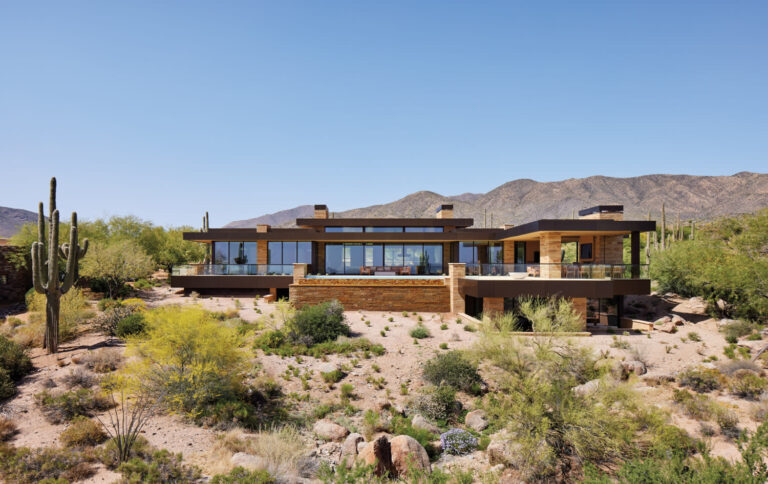
Mid-century modern design remains one of the most celebrated architectural styles of the 20th century. Known for its clean lines, open floor plans, and strong indoor-outdoor connection, the style continues to influence contemporary renovations. One of the most exciting ways homeowners embrace this aesthetic today is through a mid-century modern addition. Rather than tearing down an original house, an addition allows for expanded living space while preserving the character and history of the original architecture.
Understanding the Mid-Century Modern Addition Concept
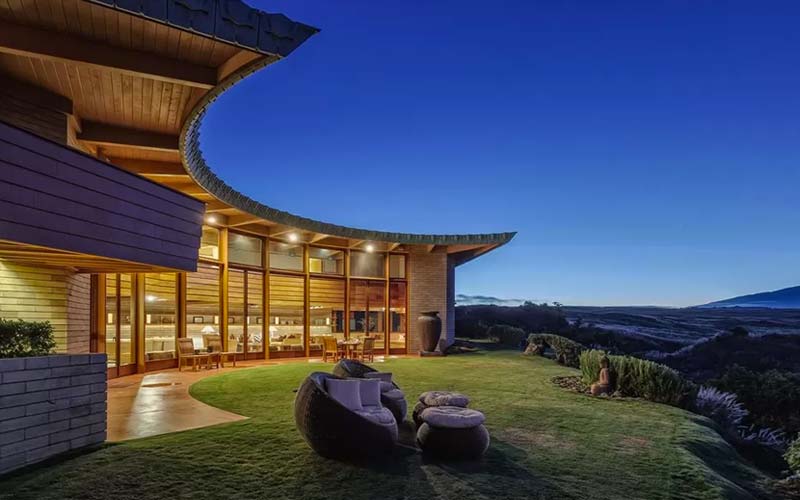
A mid-century modern addition is more than just adding square footage; it is about extending the philosophy of mid-century design. Architects and homeowners aim to respect the original structure’s geometry, materials, and flow while incorporating modern conveniences.
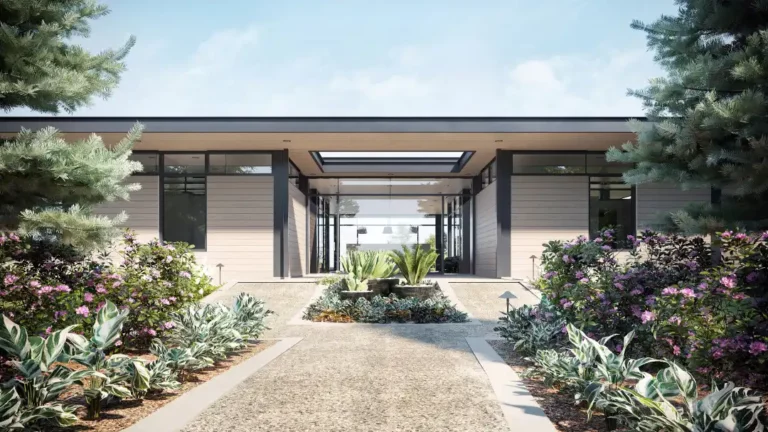
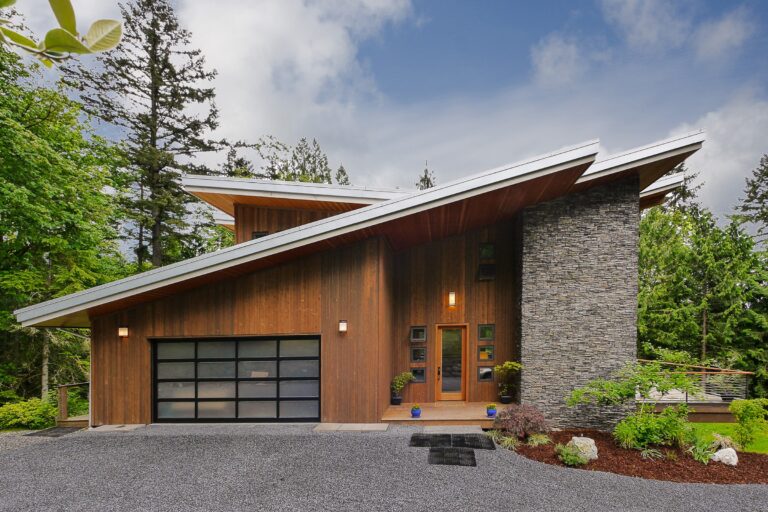
Key elements often include large glass panels, flat or low-pitched roofs, natural materials like wood and stone, and an open, light-filled layout. An addition can take the form of an extended living room, a new wing, or even a second story, provided it harmonizes with the house’s design DNA.
Characteristics of Mid-Century Modern Additions
Mid-century modern additions must balance the past and present. To achieve this, architects often follow these design characteristics:
- Seamless Integration: The new structure flows naturally from the original house without feeling forced.
- Natural Materials: Stone, wood, and glass dominate, often echoing the mid-century palette.
- Indoor-Outdoor Connection: Expansive windows, sliding doors, and courtyards maintain the iconic openness.
- Simplicity in Form: Clean lines and geometric shapes prevent visual clutter.
These additions do not aim to overshadow the original but to enhance it, blending nostalgia with modern functionality.
Popular Types of Mid-Century Modern Additions
Living Space Extensions
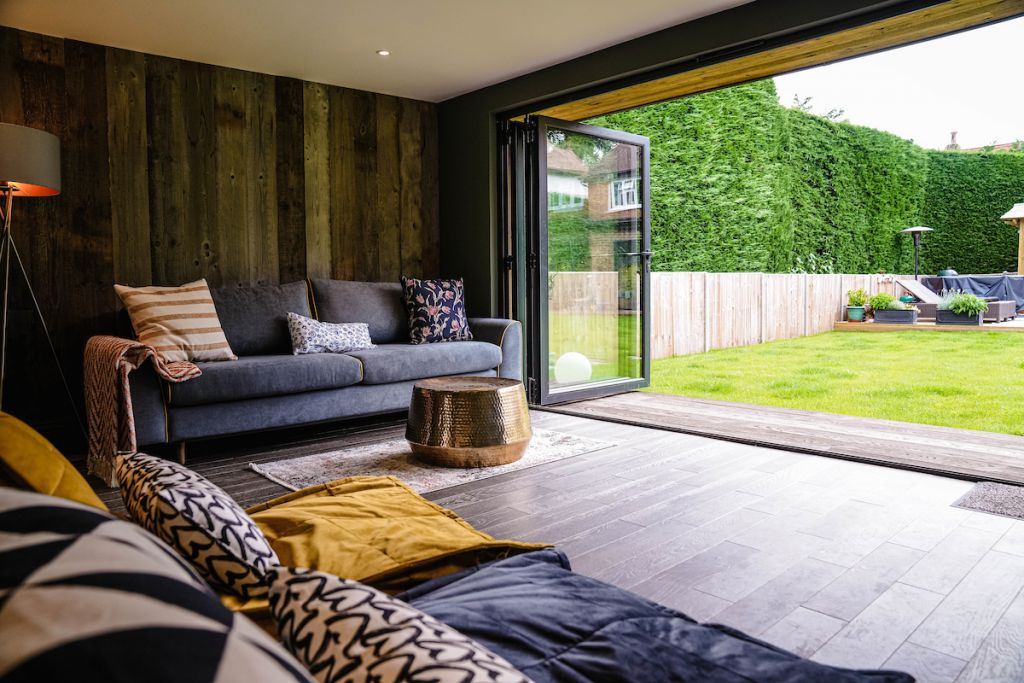
One of the most common types of additions is expanding the main living areas. This could mean extending a living room outward with floor-to-ceiling glass walls or adding a family room that mirrors the house’s open plan. By incorporating mid-century details, the addition feels timeless rather than new.
Second Story Additions
In cases where the property footprint is limited, homeowners opt for a second story. This addition must be carefully designed with flat or low-slope roofs and minimalist facades to match the original house’s mid-century look. Large windows are also added to preserve the emphasis on light and air.
Kitchen and Dining Expansions
Many mid-century homes originally featured compact kitchens. Modern additions often expand this area, creating open-concept kitchens that flow into dining and living spaces. Designers use wood cabinetry, stone countertops, and modernist lighting fixtures to stay true to the period.
Outdoor Living Additions
Another trend is expanding usable outdoor space with patios, pergolas, or even garden rooms. These additions highlight the seamless indoor-outdoor living concept that mid-century design pioneered.
Real-World Examples of Mid-Century Modern Additions
Eichler Home Renovation in California
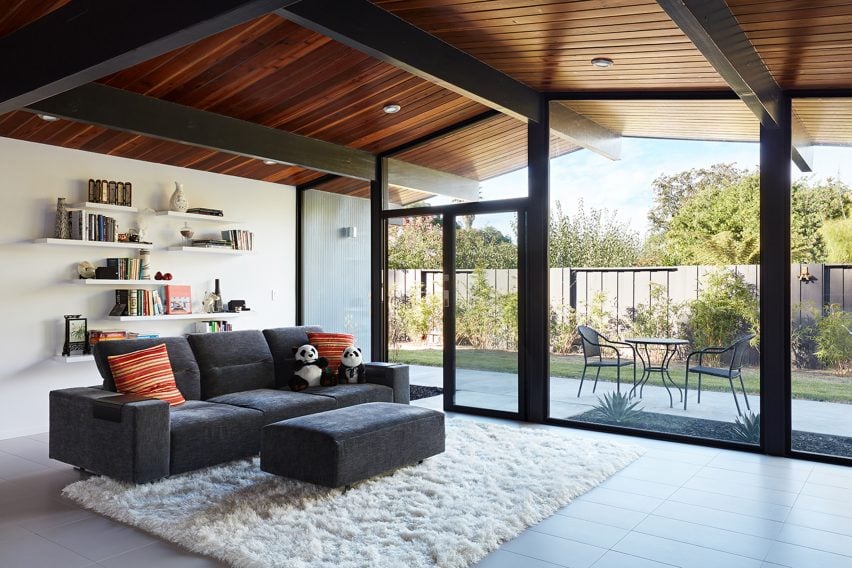
Eichler homes, built throughout California in the 1950s and 1960s, are iconic examples of mid-century modern architecture. In one renovation project, architects expanded the home’s living room with a glass-walled addition that maintained the flat roofline and wood post-and-beam construction.
This addition provided more space while staying true to Eichler’s vision of communal living. The updated design also integrated modern insulation and energy-efficient glass, making the home comfortable without losing authenticity.
Glass Pavilion Extension
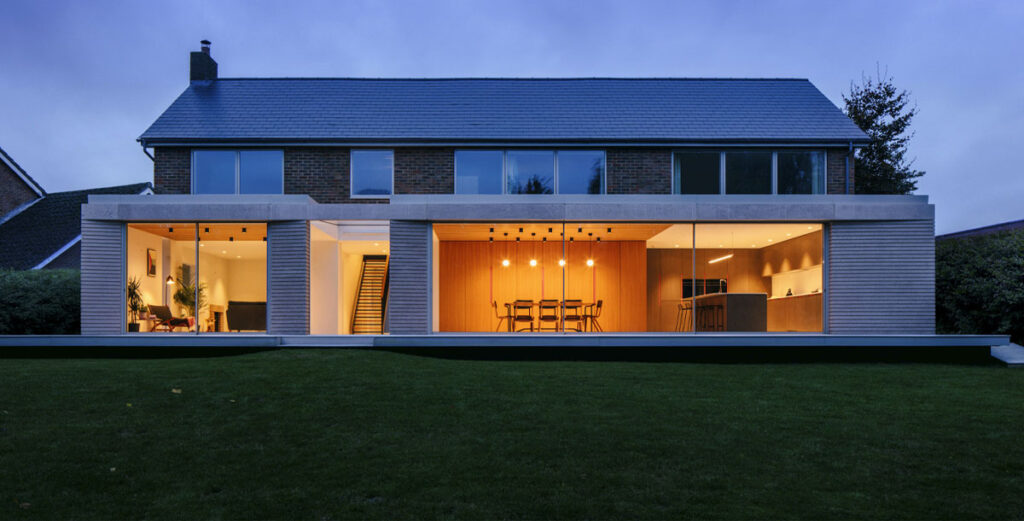
A glass pavilion addition to a mid-century modern home in Texas illustrates how transparent design can complement the original structure. The addition served as an art studio and lounge space, surrounded by garden views.
Its minimalist flat roof and steel frame connected seamlessly with the existing home, while modern glass technology provided energy efficiency and UV protection. This project shows how additions can bring both functionality and beauty.
Cliffside Mid Century Expansion
In Oregon, a mid-century cliffside home was expanded with a new master suite addition. The design preserved the home’s dramatic cantilevered roof while adding floor-to-ceiling glass walls overlooking the forest.
The architects used natural wood interiors and stone flooring, echoing the home’s original design. This project highlights how additions can blend with natural surroundings while enhancing comfort and luxury.
Scandinavian-Inspired Mid Century Addition
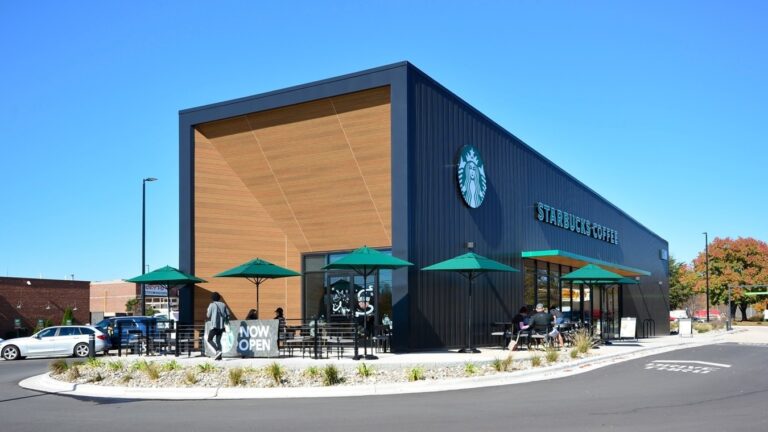
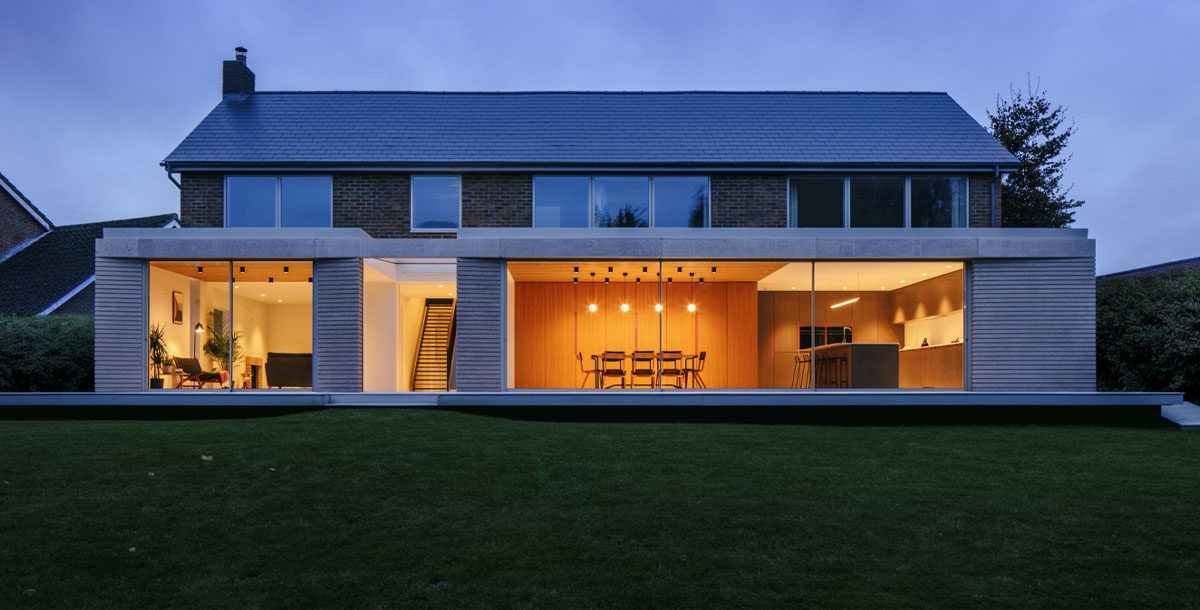
A Scandinavian-inspired addition in Minnesota extended a 1960s home with a new wing featuring a large dining area and family space. The designers integrated flat planes, pale wood finishes, and expansive glazing to echo both mid-century and Nordic modernist aesthetics.
The result was a harmonious expansion that provided much-needed family space without breaking the architectural rhythm of the home.
Benefits of Mid-Century Modern Additions Using Technology
Modern technology makes mid-century modern additions more functional and sustainable than ever before.
- Energy Efficiency: New materials such as double-glazed windows and high-performance insulation make large glass surfaces practical without excessive heat loss or gain.
- Sustainability: Eco-friendly materials and solar panel integration reduce the environmental footprint while honoring mid-century modernism’s respect for nature.
- Structural Innovation: Advanced engineering allows for larger spans of glass and open spaces without compromising safety.
- Smart Home Integration: Additions can discreetly incorporate smart systems for lighting, climate control, and security, blending modern convenience with classic design.
By using these technologies, homeowners can preserve the aesthetic of mid-century architecture while making their homes future-ready.
Practical Use Cases of Mid-Century Modern Additions
Solving Space Constraints
Many original mid-century homes were built smaller than today’s standards. Additions provide more room for growing families while preserving architectural heritage.
Enhancing Natural Light
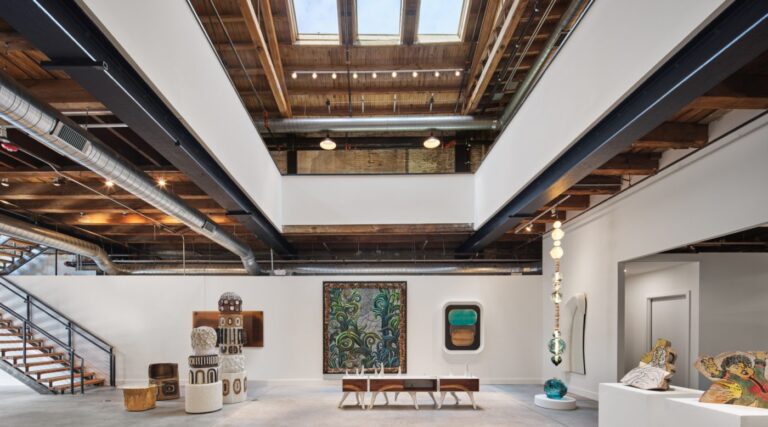
Through floor-to-ceiling glazing and open layouts, additions solve the problem of dark interiors common in older homes. This creates a healthier and more inviting atmosphere.
Increasing Property Value
Well-designed additions not only provide functional benefits but also significantly increase property value. Buyers are often drawn to authentic mid-century modern homes that have been expanded thoughtfully.
Adapting to Modern Lifestyles
From larger kitchens to home offices, additions help adapt older homes to today’s lifestyle needs without losing their iconic mid-century charm.
FAQ
1. How do architects ensure a mid-century modern addition blends with the original house?
Architects study the original design’s proportions, rooflines, materials, and window placement. By echoing these elements, they create additions that look seamless rather than out of place.
2. Can modern technologies like solar panels be integrated into mid-century modern additions?
Yes, solar panels and other green technologies can be integrated discreetly, often on flat or low-pitched roofs. This preserves the aesthetic while improving energy efficiency.
3. What are the most common challenges when designing a mid-century modern addition?
The main challenges include matching original materials, preserving the balance of indoor-outdoor flow, and meeting modern building codes while maintaining the design integrity of the original home.