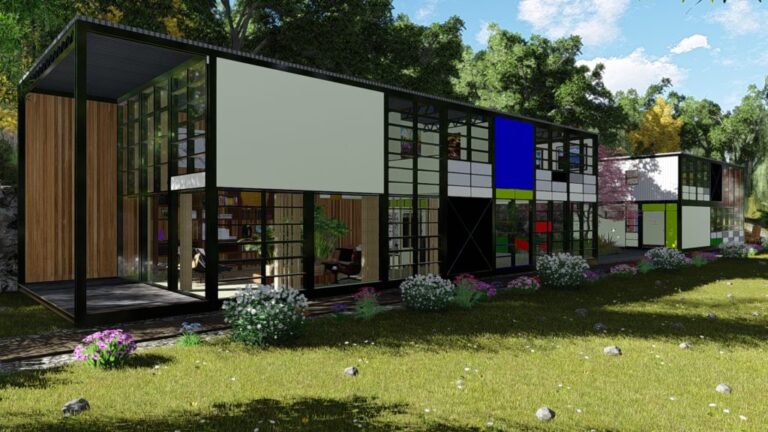
Lautner House: The Legacy of John Lautner’s Architectural Masterpieces
The term “Lautner House” refers to the groundbreaking residential works of John Lautner, a visionary architect whose designs continue to shape the world of modern architecture. Known for his daring use of forms, innovative engineering, and seamless integration with nature, Lautner created homes that were not only places of living but also artistic expressions of the human connection with the environment.
Lautner’s houses became an essential part of mid-century modern architecture. They stand as landmarks in architectural history, influencing generations of architects and designers. Unlike conventional homes, these structures are sculptural, futuristic, and deeply personal. They embody Lautner’s philosophy of “organic architecture,” which he developed under the mentorship of Frank Lloyd Wright.
The Philosophy Behind Lautner House
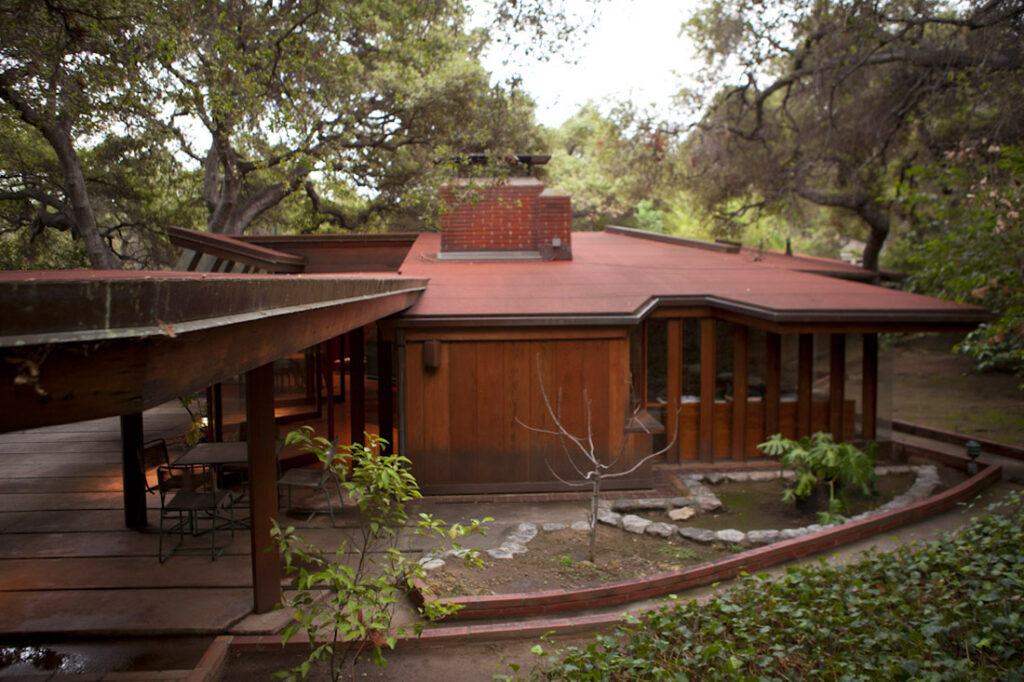
Lautner’s architectural philosophy was built around the idea that a house should harmonize with its surroundings rather than dominate them. He often designed homes perched on dramatic cliffs, nestled within lush landscapes, or suspended over city skylines, ensuring that nature was always part of the living experience.
Each Lautner house was more than just a residence; it was an experiment in light, space, and structure. He used innovative engineering solutions to achieve designs that many thought impossible at the time. His approach blurred the line between indoors and outdoors, giving residents a profound sense of freedom and connection with the natural world.
Real-World Examples of Lautner House
The Sheats-Goldstein Residence
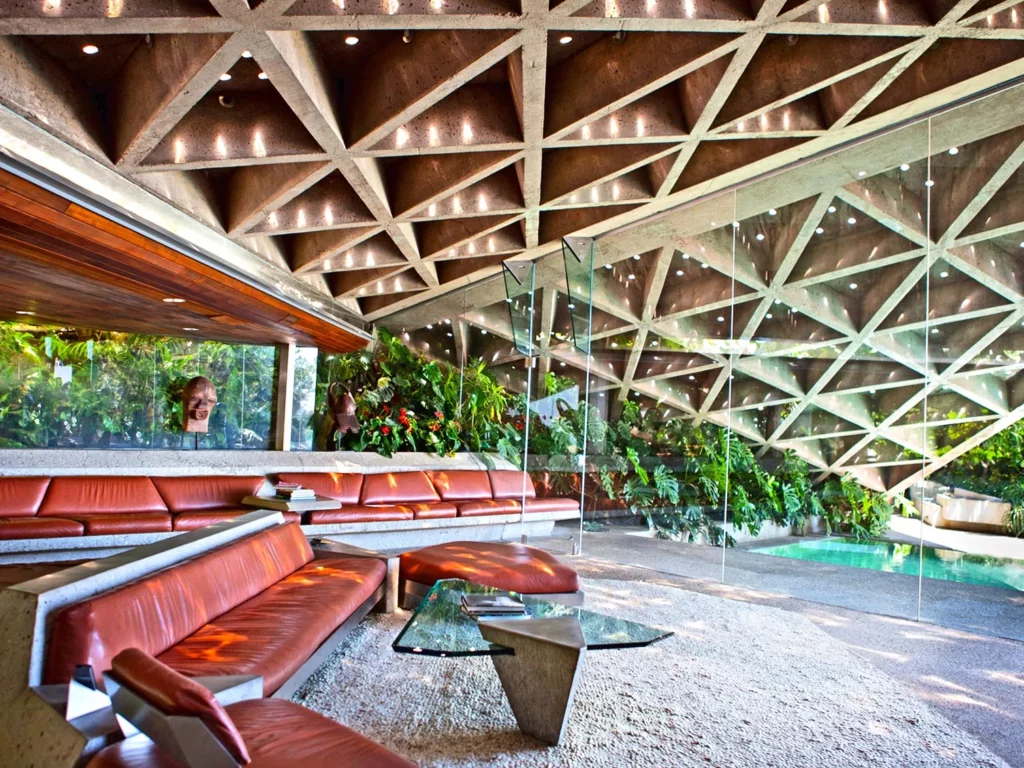
Perhaps the most famous of all Lautner houses, the Sheats-Goldstein Residence in Los Angeles embodies the architect’s vision of futuristic organic design. Completed in 1963, the home features a concrete and glass structure that blends seamlessly into its hillside environment.
Inside, Lautner created open spaces that feel like extensions of the natural landscape. The roof’s angular design and skylights allow sunlight to filter in, while the glass walls offer panoramic views of Los Angeles. The residence became iconic in popular culture, often featured in films, photography, and art installations. It represents Lautner’s ability to make a house both futuristic and timeless.
The Chemosphere
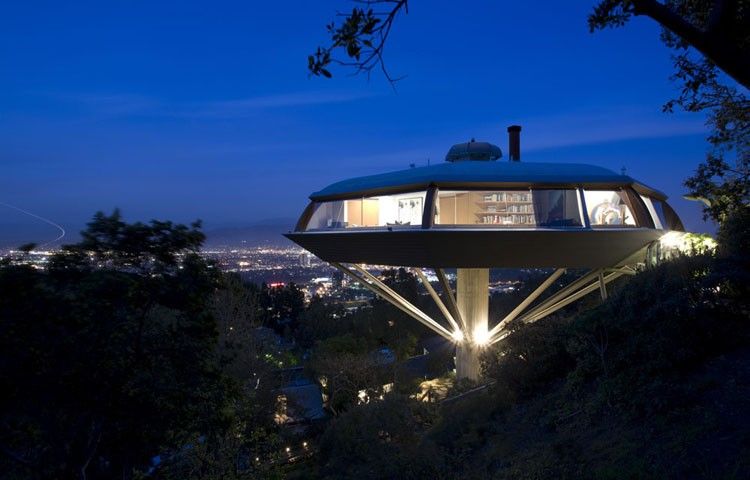
One of Lautner’s most daring creations is the Chemosphere House, built in 1960. Perched on a single concrete column on a steep hillside in Los Angeles, the home resembles a flying saucer. Its octagonal structure and elevated design solved the problem of building on a virtually inaccessible slope.
The Chemosphere demonstrates Lautner’s engineering ingenuity. It maximizes living space while minimizing the footprint on the land. This home not only became an architectural icon but also a cultural symbol, often referenced in science fiction for its futuristic design.
The Garcia House
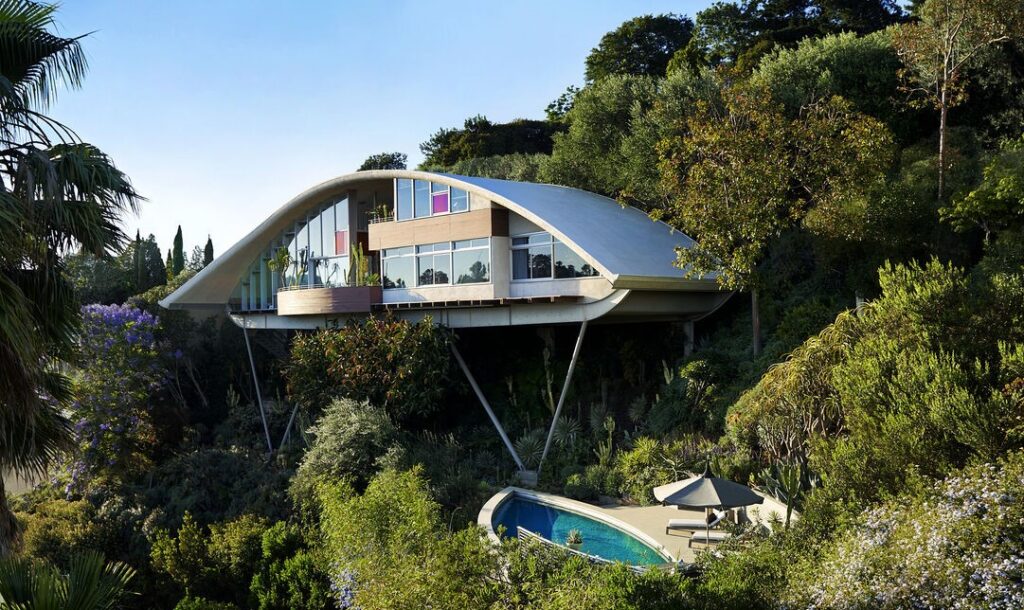
The Garcia House, built in 1962, is another landmark Lautner house. Recognized for its parabolic roofline and bold design, the home appears to float above the Hollywood Hills on stilts. Its unique rainbow-colored stained glass windows add a vibrant artistic touch to the structure.
This house illustrates Lautner’s creative approach to light and geometry. The elevated position gives residents breathtaking views, while the structure itself challenges conventional ideas of residential architecture. It remains one of the most visually striking of Lautner’s works.
Elrod House
The Elrod House, completed in 1968 in Palm Springs, represents Lautner’s mastery of blending indoor and outdoor spaces. Its circular concrete dome roof with wedge-shaped skylights creates dramatic patterns of light throughout the day. The home’s sliding glass walls open to sweeping desert landscapes, turning the boundary between nature and home invisible.
This house is celebrated for its dramatic interiors and was even featured in the James Bond film “Diamonds Are Forever.” It remains a powerful example of Lautner’s ability to combine structural boldness with natural beauty.
Benefits of Lautner’s Architectural Approach
Lautner’s houses were not just visually stunnin;, they provided numerous practical benefits that remain relevant today.
One of the greatest advantages is the integration with nature. By harmonizing homes with their environment, Lautner promoted sustainable living long before it became a mainstream concern. His use of natural light reduced reliance on artificial lighting, while his emphasis on ventilation minimized the need for air conditioning.
Another benefit is the innovative use of space. Lautner challenged traditional layouts by creating open-plan interiors that encouraged social interaction and adaptability. His designs anticipated modern lifestyles that favor fluid, flexible spaces over compartmentalized rooms.
Lautner also pioneered structural experimentation, proving that bold engineering could yield both beauty and functionality. Homes like the Chemosphere showed how seemingly impossible sites could be transformed into habitable works of art.
Use Cases of Lautner House in Real Life
Solving Challenging Terrains
Many of Lautner’s houses were built on steep hillsides or desert landscapes where traditional construction methods would fail. His innovative solutions made it possible to create comfortable, livable spaces in environments that most architects would have considered unbuildable.
Enhancing Connection with Nature
For residents, living in a Lautner house means being constantly connected with the outdoors. This connection promotes mental well-being and provides a sense of tranquility that conventional urban housing often lacks.
Inspiring Contemporary Architecture
Lautner’s work continues to influence modern architects and designers. Concepts like open floor plans, integration of indoor-outdoor spaces, and use of unconventional geometry can be traced back to his pioneering designs. His houses remain case studies for students of architecture and a source of inspiration for innovative construction.
Cultural and Artistic Influence
Lautner houses are more than private residences; they have become cultural symbols. From film appearances to art photography, his homes serve as backdrops for creative expression. They represent a lifestyle that merges art, architecture, and nature into one seamless experience.
Why Lautner House Remains Relevant Today
Even decades after their construction, Lautner’s houses feel futuristic. This is because they were designed with principles that transcend time: sustainability, connection with nature, and bold structural experimentation.
In a world where climate concerns and urban density challenge architects, Lautner’s ideas provide practical lessons. His use of natural light, innovative engineering, and integration with the environment align with today’s emphasis on eco-friendly, human-centered design.
Frequently Asked Questions
What makes a Lautner house unique compared to other mid-century modern homes?
A Lautner house stands out due to its organic integration with nature, bold engineering solutions, and futuristic aesthetic. While other mid-century homes emphasize minimalism and function, Lautner infused his designs with drama, individuality, and structural daring.
Are Lautner houses still considered modern today?
Yes, Lautner houses remain timeless. Their open spaces, innovative use of light, and seamless indoor-outdoor connection make them as relevant today as when they were first built. Many even consider them futuristic by today’s standards.
How have Lautner houses influenced modern architecture?
Lautner’s designs inspired generations of architects to experiment with space, structure, and nature. His concepts of open-plan living, hillside construction, and organic design are now staples of modern architecture worldwide.