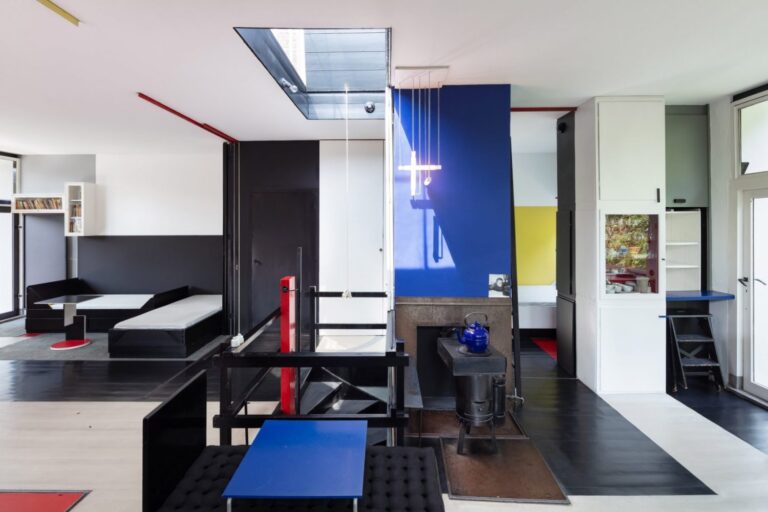
House of Eames – The Iconic Modernist Home by Charles and Ray Eames
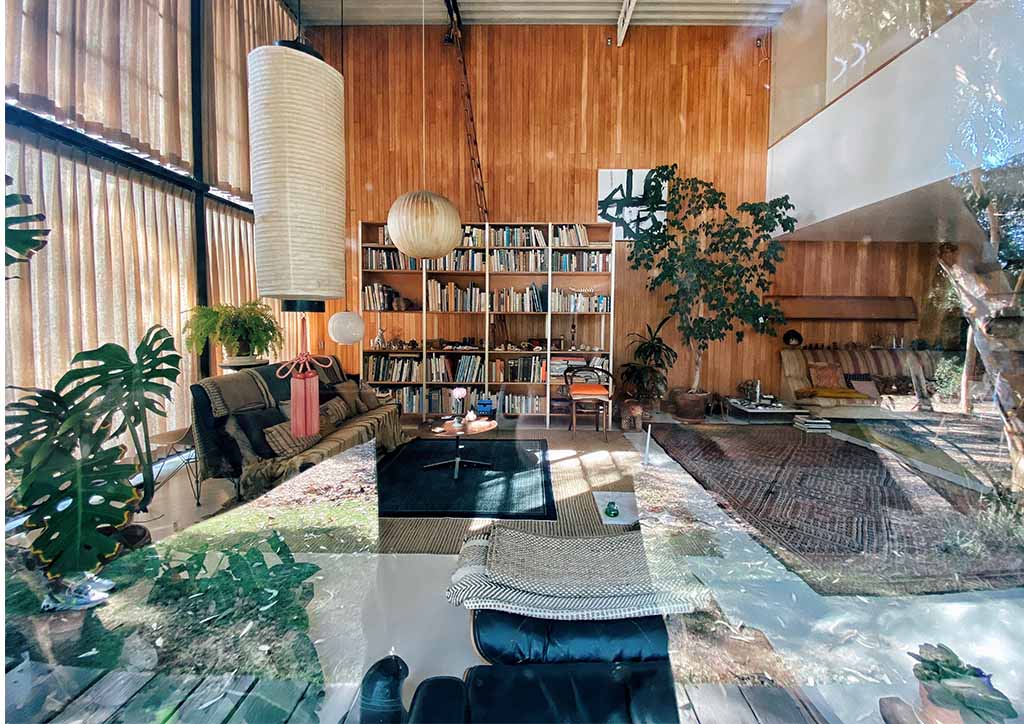
The House of Eames, officially known as Case Study House No. 8, is one of the most influential architectural works of the 20th century. Designed in 1945 and completed in 1949, the home was both a private residence for Charles and Ray Eames and a living laboratory for modern design principles. Situated on a bluff overlooking the Pacific Ocean in Pacific Palisades, California, it represents the merging of function, form, and landscape integration in a way that continues to inspire architects and designers worldwide.
Unlike many traditional homes of its era, the House of Eames was built from prefabricated industrial materials, a revolutionary approach at the time. The structure was intended to prove that modern architecture could be affordable, flexible, and aesthetically pleasing. Its legacy as a cornerstone of modernist architecture makes it not just a house but a cultural landmark.
Origins and Design Philosophy
The Eameses envisioned the house as more than just a dwelling. They wanted to create a space that reflected their design ethos: functionality, simplicity, and harmony with surroundings. Their participation in the Case Study House Program, a project initiated by Arts & Architecture Magazine, allowed them to experiment with industrial components, showing how such materials could be repurposed for human comfort.
One of the most striking aspects of the House of Eames is its modular design. Using prefabricated parts such as steel beams, concrete, and glass, the house was designed to be quickly assembled while remaining deeply personal in style. This combination of affordability, efficiency, and artistry highlighted the Eames’ ability to merge practicality with beauty.
Architectural Features of the House of Eames
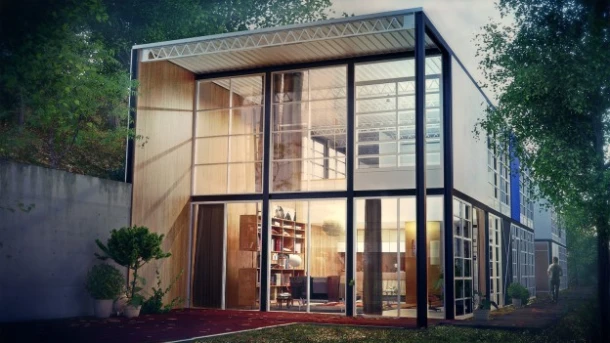
Integration with Nature
The home is carefully situated to embrace the surrounding landscape. With large glass walls, residents experience a seamless connection between indoor and outdoor environments. The Pacific coastline and eucalyptus trees around the property are part of the living experience, reflecting the Eameses’ belief that architecture should coexist with nature rather than dominate it.
Modular and Prefabricated Elements
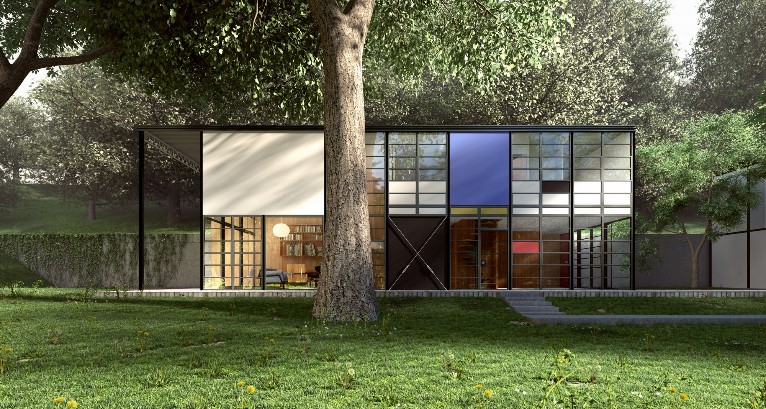
The structure showcases modular components, with steel frames and panels arranged in a way that balances order and creativity. This method allowed the Eameses to experiment with patterns, colors, and textures while maintaining the structural efficiency of the home.
Real-World Examples Inspired by the House of Eames
Eames Lounge Chair and Ottoman
The House of Eames was not just a backdrop but a creative hub where many of the Eameses’ iconic designs were conceived. Among them, the Eames Lounge Chair and Ottoman stand out as a direct reflection of their architectural philosophy. Combining comfort with elegant construction, it mirrors the home’s balance of modern materials and timeless style.
Much like the house itself, the chair is designed to last generations, emphasizing craftsmanship and innovation. It’s more than a piece of furniture; it’s a living embodiment of the principles tested and refined within the Eames Home.
Eames Molded Plastic Chairs
The molded plastic chair series, created during the couple’s years in the House of Eames, demonstrates how design can merge accessibility with sophistication. Lightweight, affordable, and durable, these chairs echo the house’s emphasis on democratizing design without compromising aesthetic value.
Just as the house used industrial materials in innovative ways, the plastic chairs adapted emerging technologies for practical domestic use. Their versatility made them popular in homes, offices, and public spaces worldwide.
Eames Storage Units (ESU)
Their design philosophy matches the home’s: modular, efficient, and adaptable to different needs. The ESU remains a popular design reference point today, showing how the ideas embodied in the House of Eames extended into practical living solutions.
Influence on Contemporary Modernist Homes
The House of Eames inspired countless modern homes built with prefabricated steel frames and glass walls. Many architects, from mid-century pioneers to today’s designers, cite Case Study House No. 8 as a foundation for blending human comfort with industrial efficiency.
Benefits of the House of Eames for Modern Architecture
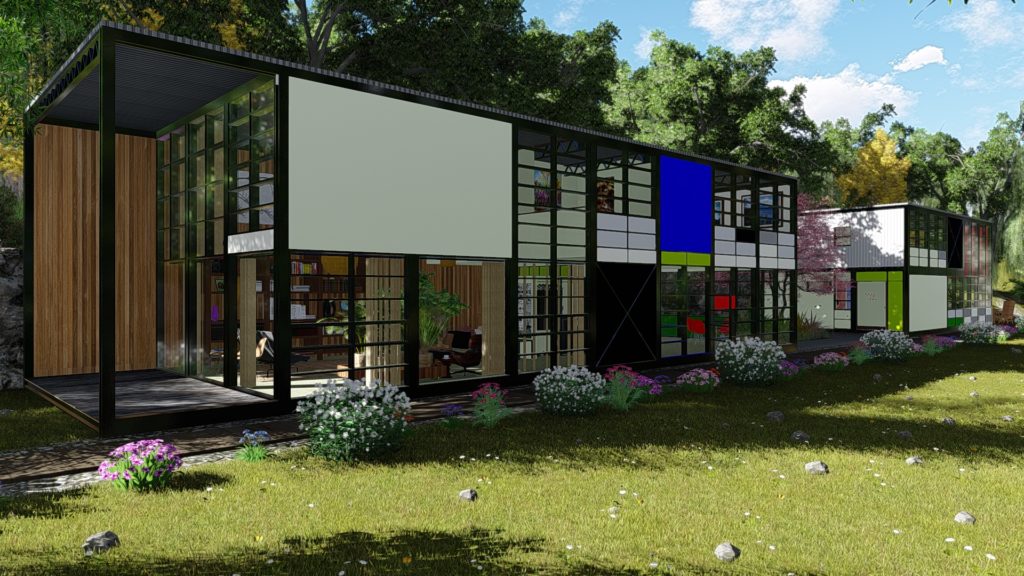
One of the greatest benefits of the House of Eames is its demonstration of how technology and design can merge to create sustainable, functional, and timeless spaces. Prefabrication reduced construction waste and costs, making modernist design accessible to more people.
Additionally, the emphasis on natural light and open spaces has practical benefits for well-being. Studies today confirm what the Eameses instinctively practiced: homes that connect with nature promote mental clarity, creativity, and relaxation. The House of Eames remains a model for architects who strive to create spaces that are not only functional but deeply human.
Use Cases of the House of Eames Philosophy in Real Life
Residential Applications
Modern housing developments often draw on the Eames approach by using prefabricated materials to lower costs while maintaining high design quality. The focus on large windows, open floor plans, and flexible interiors echoes the Eames Home’s enduring principles.
Educational Institutions
Universities and design schools use the House of Eames as a case study in architectural history, sustainability, and human-centered design. Students learn how architecture can impact human behavior and foster creativity.
Corporate Design
The Eames’ philosophy of blending function and beauty has influenced office spaces worldwide. Open-plan designs with modular furniture and collaborative environments owe much to the experiments conducted in the House of Eames.
Eames Lounge Chair and Ottoman in the House of Eames
Why the House of Eames Still Matters Today
The House of Eames continues to inspire because it addresses timeless human needs: comfort, connection to nature, and efficiency. It showed that good design does not need to be extravagant; it needs to be thoughtful and human-centered.
Its ongoing influence in architecture, product design, and cultural identity proves its lasting relevance. Whether through its iconic furniture, its architectural innovations, or its philosophical approach to design, the House of Eames remains an educational model and a cultural icon.
Frequently Asked Questions
1. What is the significance of the House of Eames?
The House of Eames is significant because it represents a breakthrough in modernist architecture, showing how prefabricated industrial materials can be adapted into comfortable, human-centered living spaces. It also served as a creative hub for Charles and Ray Eames’ design innovations.
2. How does the House of Eames influence modern architecture?
It influenced modern architecture by pioneering prefabrication, modular construction, and integration with nature. These principles continue to inspire architects in residential and commercial projects worldwide.
3. Can the House of Eames be visited today?
Yes, the House of Eames is preserved as a historic landmark in Pacific Palisades, California. It is managed by the Eames Foundation and is open to visitors who wish to explore this architectural masterpiece.