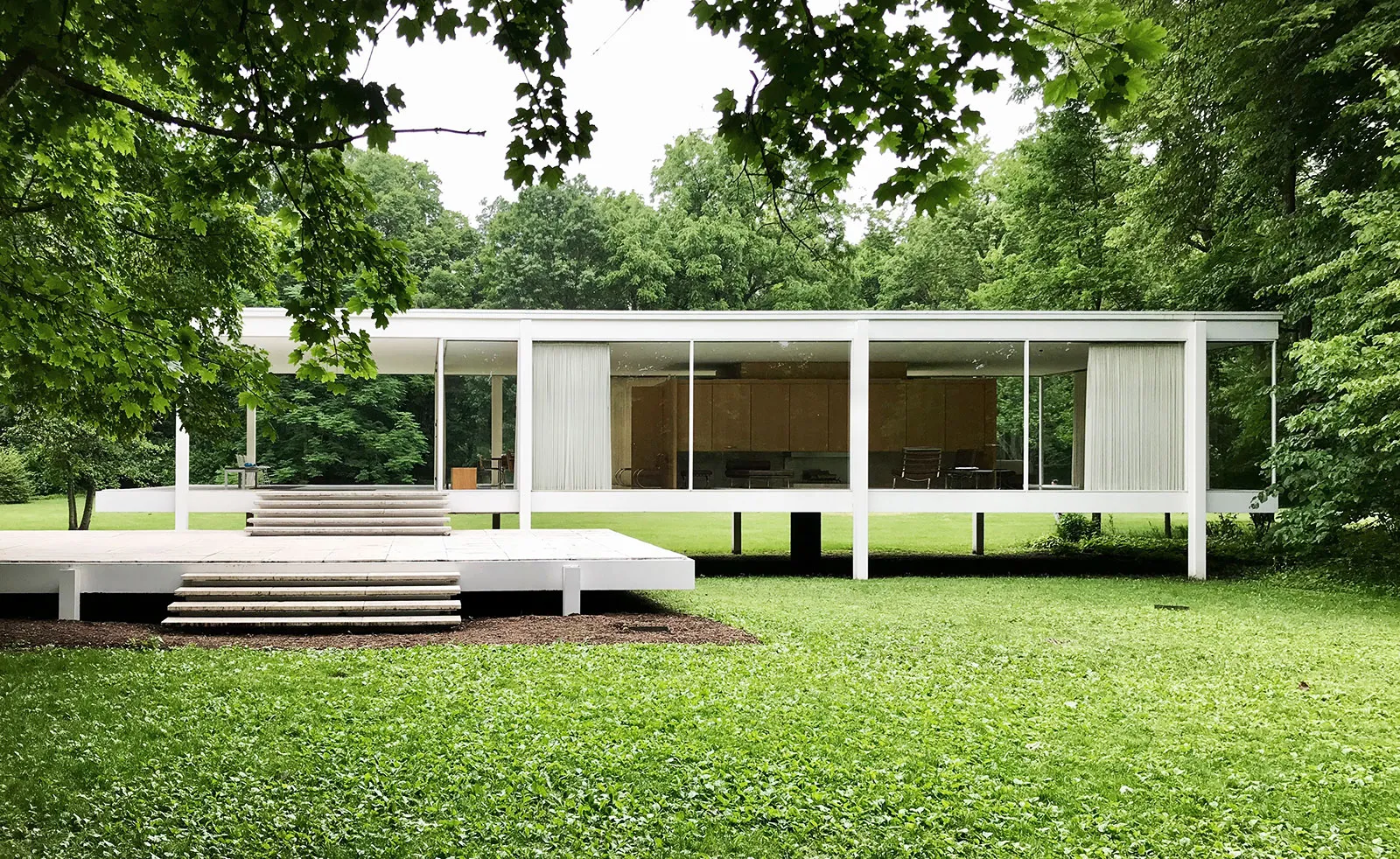
Eames Home: The Iconic Modernist Residence of Charles and Ray Eames
The Eames Home, also known as Case Study House No. 8, is one of the most celebrated architectural achievements of the 20th century. Designed by Charles and Ray Eames in 1949 as part of the Case Study House Program, the residence embodies the ideals of mid-century modern design: simplicity, functionality, and harmony with nature. Built on a bluff overlooking the Pacific Ocean in Pacific Palisades, Los Angeles, the home became both a personal residence and a creative studio for the Eameses.
More than just a home, the Eames House represents a shift in architectural thinking during the postwar era. It was conceived as a prototype for affordable, prefabricated housing, demonstrating how industrial materials could be adapted to create warm, livable spaces. Today, it stands as a cultural landmark, visited by architects, designers, and enthusiasts worldwide.
Historical Background of the Eames Home
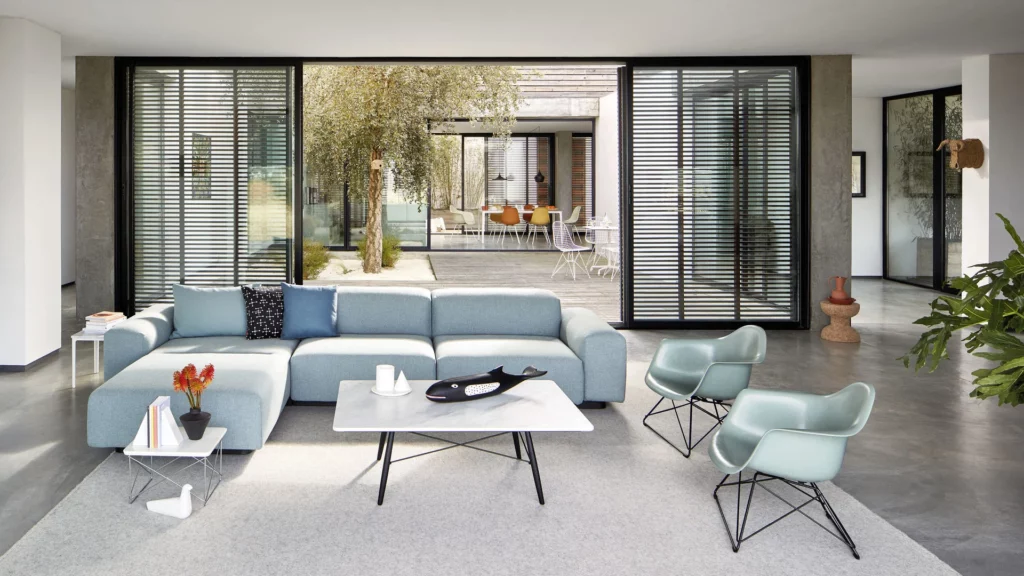
The origins of the Eames Home lie in the Case Study House Program, launched in 1945 by Arts & Architecture magazine. The program challenged architects to design innovative, efficient, and affordable homes using industrial materials left over from World War II. Charles and Ray Eames, already renowned for their furniture designs, took on the challenge with a vision of creating a flexible living space that embraced modern life.
The original plan was to build a large glass and steel structure, but the Eameses decided to revise the design to better respect the natural landscape of the site. Rather than cutting down the eucalyptus grove that stood on the property, they reconfigured the home to sit quietly within its environment. This sensitivity to nature became a defining feature of the project. The final result combined prefabricated materials with a unique, human-centered approach to modernist architecture.
Architectural Design and Philosophy
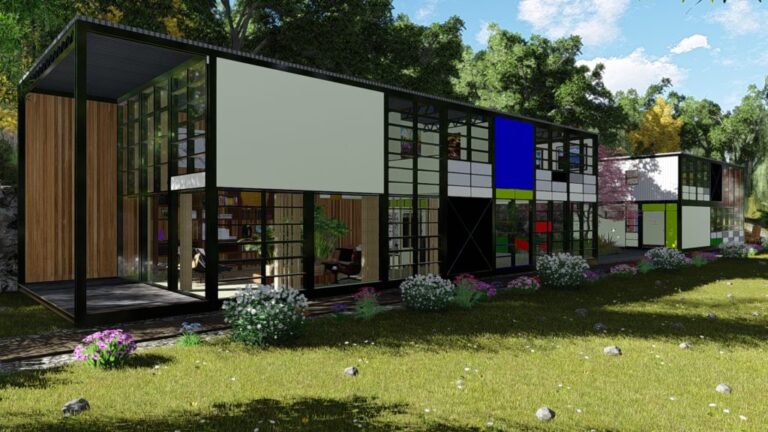
The Eames Home is often cited as a perfect example of mid-century modern design. Its rectangular structure is composed of two main parts: the residence and the studio, separated by a central courtyard. The façade features a grid of glass panels, steel framing, and brightly colored panels, reflecting the Eameses’ love for art, playfulness, and modularity.
One of the most remarkable aspects of the design is its adaptability. The home was constructed using standardized, prefabricated parts that could be easily replicated. Yet, despite its industrial components, the result feels warm and inviting. Charles and Ray Eames believed that a home should not be a “machine for living,” but rather a space that supported creativity, comfort, and family life. Their house became a physical manifestation of this belief.
Interior Design and Living Spaces
The interiors of the Eames Home reveal a balance between minimalism and warmth. The open-plan layout encourages interaction between spaces, with light flooding in through large glass walls. The use of color, texture, and eclectic objects gives the home its distinctive personality.
Inside, one finds a mixture of Eames-designed furniture, folk art, textiles, and personal collections. Every object was carefully placed, not just for decoration but for storytelling. This layering of elements reflected the Eameses’ philosophy that design should be joyful, functional, and personal. Their home was not a sterile showpiece but a living, evolving environment.
The Eames Home in the Context of Mid-Century Modernism
Mid-century modernism emphasized open spaces, integration with nature, and the use of new materials and technologies. The Eames Home exemplifies all of these principles. Unlike many contemporaneous homes that imposed themselves on their environment, the Eames Home blended seamlessly with its surroundings.
It also demonstrated how prefabricated steel and glass could create affordable yet elegant housing solutions. This was particularly important in postwar America, where the demand for housing was high. The Eames Home provided a model for how mass production could align with individual expression.
Real-World Examples Inspired by the Eames Home
Stahl House (Case Study House No. 22)
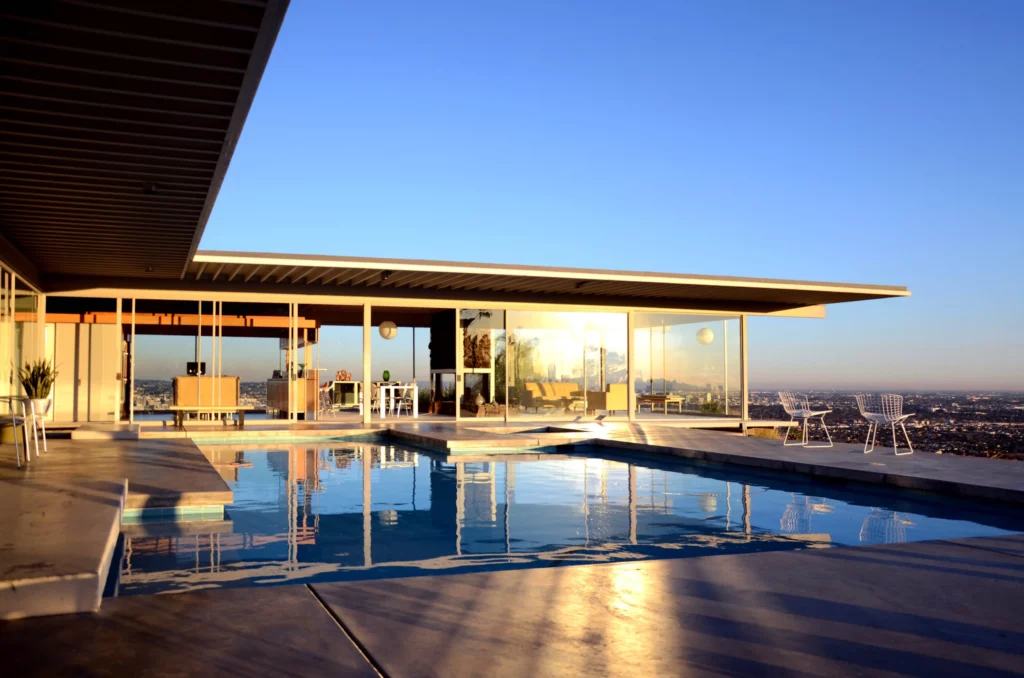
Designed by Pierre Koenig in 1960, the Stahl House in Los Angeles is often compared to the Eames Home for its glass-and-steel structure. Like the Eames House, it prioritizes views and openness while using industrial materials. Its dramatic perch above the city makes it one of the most iconic Case Study Houses.
The relevance here lies in its continuation of the same architectural ideals: light, openness, and the ability to merge indoor and outdoor living. While more glamorous in its execution, it reflects the same design lineage initiated by Charles and Ray Eames.
Farnsworth House by Mies van der Rohe
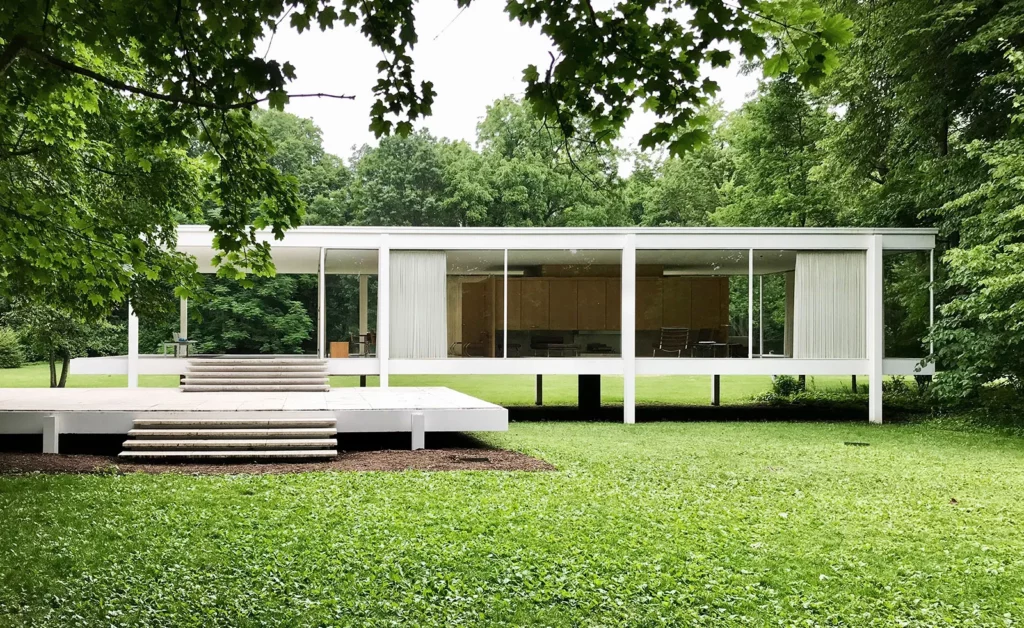
The Farnsworth House in Illinois, completed in 1951, showcases a minimalist glass-box design by Ludwig Mies van der Rohe. Unlike the Eames Home, which integrates eclectic warmth, the Farnsworth House embodies strict modernist purity.
Its relevance to the Eames Home lies in its use of glass and steel as primary materials, as well as its emphasis on transparency and connection to nature. Both homes explored how architecture could dissolve the boundaries between inside and outside.
The Glass House by Philip Johnson
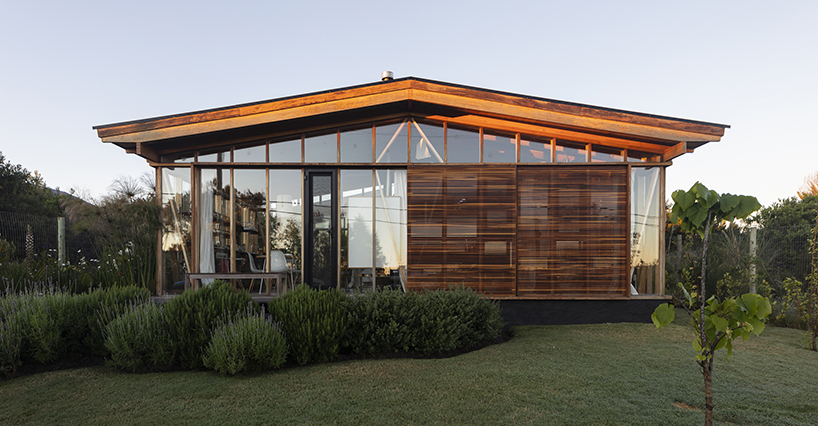
Completed in 1949, the same year as the Eames Home, Philip Johnson’s Glass House in New Canaan, Connecticut, is another landmark of modernist architecture. Like the Eames House, it utilized industrial materials to create an entirely new way of living.
While the Glass House is more austere and minimalist compared to the colorful and playful Eames Home, both share the vision of reimagining domestic architecture for the modern age. Their shared timing illustrates how architects around the world were exploring similar ideas in parallel.
Benefits of the Eames Home’s Architectural Approach
The Eames Home continues to inspire because of its practical benefits. Its modular design demonstrates how prefabricated materials can reduce construction time and costs while maintaining quality. This principle remains highly relevant in today’s architectural practices, where sustainability and efficiency are paramount.
Another benefit is its human-centered approach. The home was not designed merely as an object but as a space that supported creativity and daily life. This prioritization of people over pure form is a lesson for architects even today. By showing that modern materials could create warmth and intimacy, the Eames Home bridged the gap between industrial production and human comfort.
Use Cases and Real-Life Relevance
The Eames Home helps address several real-world challenges. For example, in postwar America, there was an urgent need for affordable, mass-produced housing. The Eames House provided a prototype demonstrating how prefabricated parts could meet this demand without sacrificing individuality or beauty.
In today’s context, its design principles are relevant to sustainable housing movements. Prefabrication reduces waste and lowers environmental impact, while the integration with nature aligns with biophilic design trends. Urban planners and architects often cite the Eames Home as a model for creating spaces that are both efficient and deeply connected to their environment.
Cultural Legacy of the Eames Home
Beyond its architectural significance, the Eames Home became a cultural icon. It was featured in countless photographs, films, and publications, symbolizing a new way of living. For Charles and Ray Eames, the home was not just a residence but a laboratory for ideas. Many of their design experiments, whether in furniture, film, or exhibition designn were tested within its walls.
Today, the Eames House is preserved as a historic site by the Eames Foundation, attracting visitors from around the world. It continues to serve as an educational resource, teaching future generations about the values of innovation, simplicity, and harmony with nature.
Conclusion
The Eames Home is more than a building; it is a philosophy of living. By blending prefabricated materials with human warmth, Charles and Ray Eames created a residence that continues to influence architecture, design, and cultural thought. Its lessons about affordability, adaptability, and the relationship between people and their environments remain deeply relevant in the 21st century.
FAQ
What makes the Eames Home unique in architectural history?
The Eames Home stands out because it combines industrial, prefabricated materials with a human-centered and playful design. Unlike purely minimalist structures, it balanced modernism with warmth and livability.
Can the principles of the Eames Home be applied to modern housing today?
Yes, its modular construction and integration with nature are increasingly relevant to sustainable housing and prefabrication practices today. Architects often look to it as a model for affordable, eco-friendly homes.
Why is the Eames Home considered a cultural icon?
Beyond its architectural value, the home symbolized postwar optimism, creativity, and innovation. It became a living studio for Charles and Ray Eames, influencing their design work and inspiring generations of architects and designers.