Donald Wexler Architecture: Legacy, Innovation, and Lasting Influence
Donald Wexler was an influential American architect whose work became synonymous with mid-century modernism, especially in Palm Springs, California. Known for his innovative use of steel and modular construction, Wexler transformed residential and commercial architecture into functional, affordable, and aesthetically enduring spaces. His designs were deeply rooted in the desert landscape, creating homes that adapted to the climate while maintaining elegance and simplicity.
Wexler’s architectural philosophy revolved around three core principles: affordability, efficiency, and harmony with nature. Unlike many architects of his time who pursued luxury for the elite, Wexler envisioned modern design as something that could be accessible to ordinary people. His steel home prototypes in Palm Springs epitomized this belief, showcasing prefabricated modular homes that were not only affordable but also durable against desert heat.
The Rise of Mid-Century Modernism and Wexler’s Role
During the post-war era, America experienced a housing boom, and architects were challenged to meet the demand with efficiency and style. Wexler emerged during this period, combining modernist ideals with cutting-edge construction techniques. He was heavily influenced by the principles of the Bauhaus movement, where function dictated form, and clean lines replaced ornamental excess.
Wexler’s role in mid-century modernism was unique because he not only embraced steel as a construction material but also redefined its role in residential housing. At a time when most homes were constructed from wood, Wexler proved that steel was not just industrial but could also provide warmth and comfort in domestic environments. His architecture contributed significantly to Palm Springs becoming a mecca for modernist design.
Real-World Examples of Donald Wexler Architecture
Wexler Steel Houses in Palm Springs
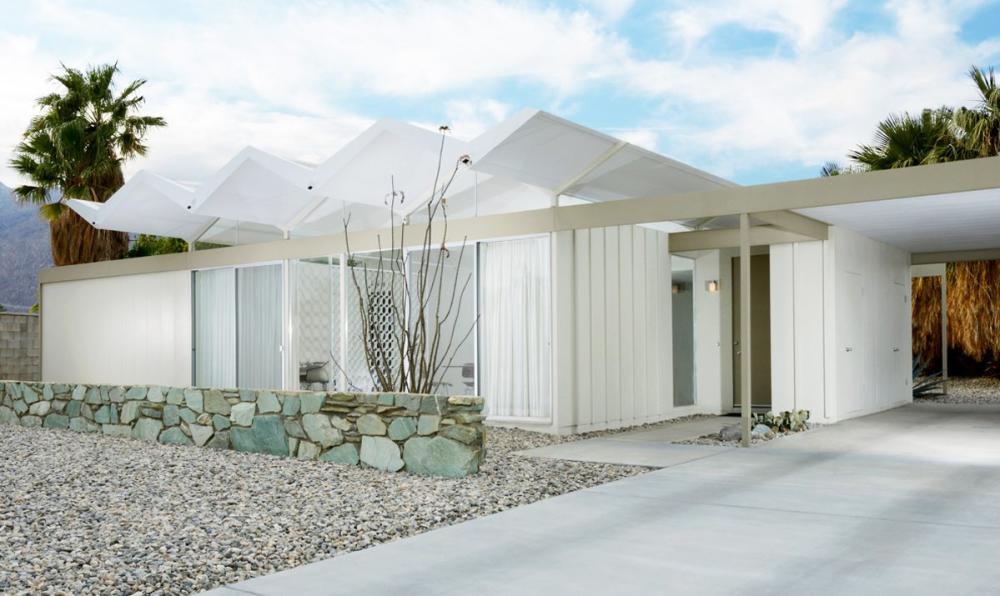
Perhaps the most famous of Wexler’s projects, the Steel Development Houses in Palm Springs, built in 1962, were groundbreaking in design and execution. These prefabricated homes used steel framing, glass walls, and modular construction, offering durability, affordability, and minimal maintenance. Though only seven of the proposed homes were completed, they remain icons of mid-century modernism.
The significance of these houses lies in their foresight. At a time when energy efficiency and sustainability were not mainstream, Wexler’s steel homes offered solutions for desert living: protection against extreme heat, resistance to termites, and structural longevity. Today, they are recognized as architectural treasures and frequently featured in Palm Springs Modernism Week.
Palm Springs International Airport
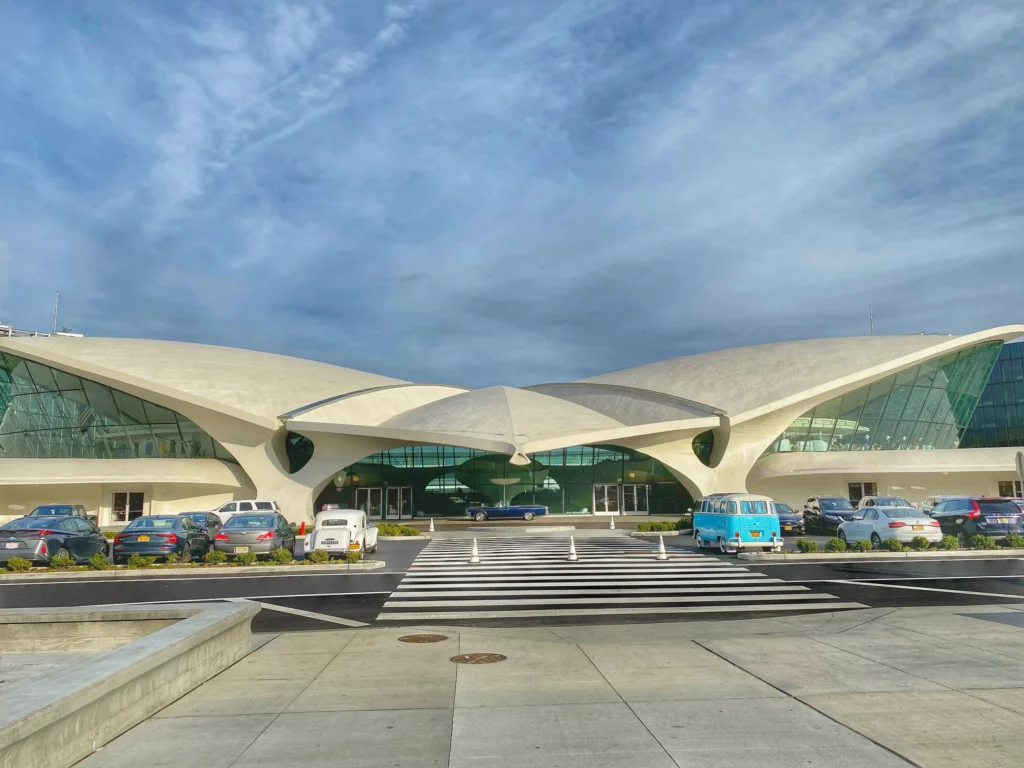
Another significant contribution by Wexler was his work on the Palm Springs International Airport, designed in collaboration with other architects. The terminal’s design reflects Wexler’s philosophy of openness, light, and harmony with the environment. The use of breezeways, exposed structural elements, and shaded areas allowed the airport to blend functionality with desert modern aesthetics.
This project demonstrated Wexler’s ability to scale his architectural vision beyond residential homes, showcasing his adaptability and influence in public spaces. The airport remains a testament to how architecture can define the character of a city while serving its functional purpose.
Desert Highland Elementary School
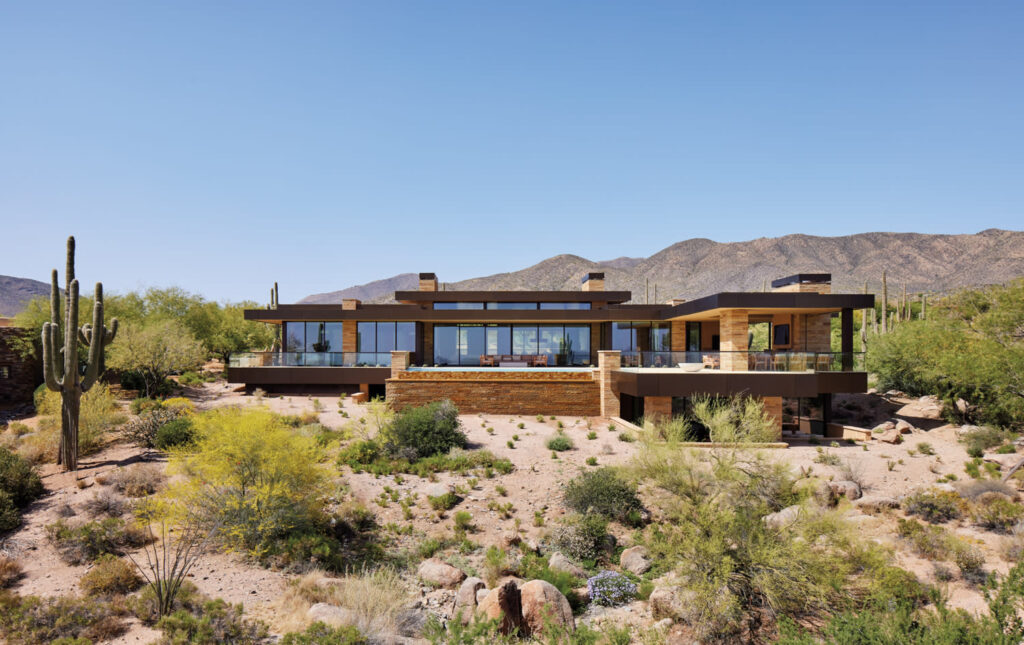
Wexler also applied his architectural philosophy to educational buildings. The Desert Highland Elementary School stands as a prime example of how he used steel framing and modular elements to create cost-effective, durable, and climate-responsive learning environments.
This school highlighted Wexler’s commitment to community-oriented architecture. By designing public buildings that prioritized affordability and durability, Wexler ensured that his architectural innovations benefited more than just private homeowners.
Royal Hawaiian Estates
In collaboration with Richard Harrison, Wexler co-designed the Royal Hawaiian Estates, a residential community that embraced playful modernist design with Polynesian-inspired details. While different from his steel homes, this project reflected his versatility and ability to blend cultural motifs into modernist frameworks.
The Royal Hawaiian Estates has since been recognized as a historic district in Palm Springs, preserving Wexler’s legacy as an architect who could balance innovation with creativity.
Benefits of Wexler’s Use of Technology in Architecture
Wexler’s embrace of technology, particularly steel and prefabrication, brought lasting benefits to architecture. First, his use of steel structures made homes resistant to termites, a common problem in desert regions. Steel also offered durability and strength, reducing long-term maintenance costs.
Second, modular construction allowed for faster and more affordable building processes. By standardizing components, Wexler demonstrated how efficiency could coexist with beauty. His approach predated modern prefabricated housing trends, proving that technology could enhance both affordability and sustainability.
Third, Wexler’s designs anticipated the importance of climate adaptability. His homes incorporated features like deep overhangs, cross-ventilation, and strategic use of glass to regulate temperature naturally. This focus on energy efficiency was ahead of its time and remains highly relevant in today’s sustainable design movement.
Practical Use Cases and Real-Life Relevance
Donald Wexler’s architectural solutions addressed real-world problems that remain significant today. In regions facing extreme climates, his steel and glass homes provide lessons in durability and thermal comfort. His work shows how architecture can respond intelligently to environmental challenges.
For communities, Wexler’s school designs and public buildings underscore the importance of accessible architecture. By prioritizing cost-effectiveness without compromising aesthetics, he created spaces that served educational and civic needs while showcasing modernist ideals.
On a broader scale, Wexler’s projects illustrate how architecture can shape a city’s cultural identity. Palm Springs, once a quiet desert town, became an international symbol of mid-century modernism largely due to architects like Wexler. His work continues to attract tourists, inspire contemporary designers, and influence urban development.
Lasting Legacy of Donald Wexler
Donald Wexler’s architecture represents more than just buildings; it embodies a movement toward functional, beautiful, and socially responsible design. His innovations with steel and modular construction paved the way for future generations of architects to explore sustainable and affordable housing solutions.
Today, his projects are celebrated not only for their design but also for their foresight. The preservation of his steel houses, schools, and public works ensures that his influence endures. For those interested in architecture, Wexler’s work remains a vital study in how technology, design, and community can converge.
Frequently Asked Questions
What is Donald Wexler best known for?
Donald Wexler is best known for his steel houses in Palm Springs, which utilized prefabricated modular construction and showcased the potential of steel as a durable, affordable, and climate-adapted material.
Why are Wexler’s steel houses significant?
They are significant because they combined affordability, sustainability, and modernist design at a time when such ideas were not mainstream. These homes remain iconic examples of mid-century modern architecture.
How did Donald Wexler influence Palm Springs?
Wexler played a major role in shaping Palm Springs as a hub of modernist architecture. His residential, public, and educational projects contributed to the city’s identity as a center for mid-century modern design.