Donald Wexler Architect: Legacy of Modernist Architecture in Palm Springs
Donald Wexler is one of the most celebrated names in American mid-century modern architecture. Known for his forward-thinking use of industrial materials, especially steel, Wexler helped shape the visual identity of Palm Springs, California, during the 20th century. His architectural vision extended beyond aesthetics; it was a pragmatic response to the desert climate and lifestyle demands of Southern California in the post-war era.
While many architects embraced concrete and glass, Wexler pioneered designs that combined steel with clean geometric lines and expansive glass walls, creating homes that felt modern, practical, and deeply connected to the surrounding environment. His work exemplifies timeless innovation and remains highly sought after in both residential and commercial contexts.
The Early Life and Career of Donald Wexler
Donald Wexler was born in South Dakota in 1926 and later pursued his architectural studies at the University of Minnesota. After serving in World War II, he moved westward, where his destiny with modernism unfolded. His early career led to collaboration with Richard Neutra, one of the most influential modernist architects of the time. Working under Neutra exposed Wexler to principles of open-plan design and the integration of indoor and outdoor spaces core ideas that would define his later work.
By the 1950s, Wexler had relocated to Palm Springs, where the desert became his laboratory. With its arid climate and rapidly expanding community, the region provided fertile ground for experimentation with new materials and structural techniques. Palm Springs soon became synonymous with modernist innovation, and Wexler was at the forefront of this movement.
Wexler’s Vision and Design Philosophy
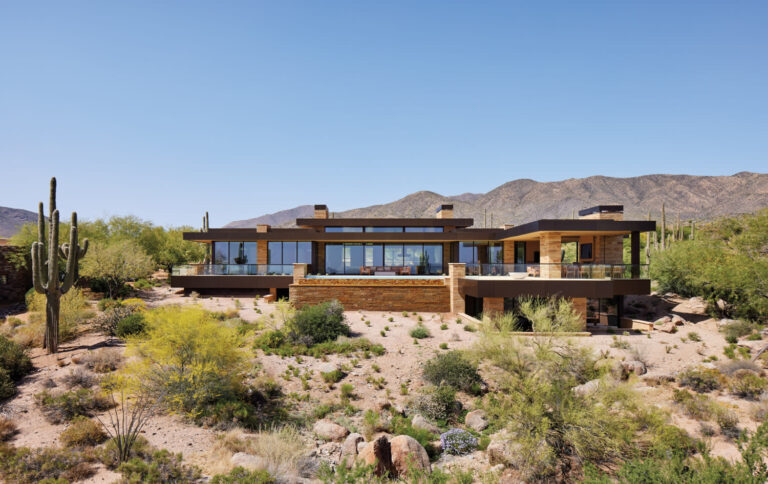
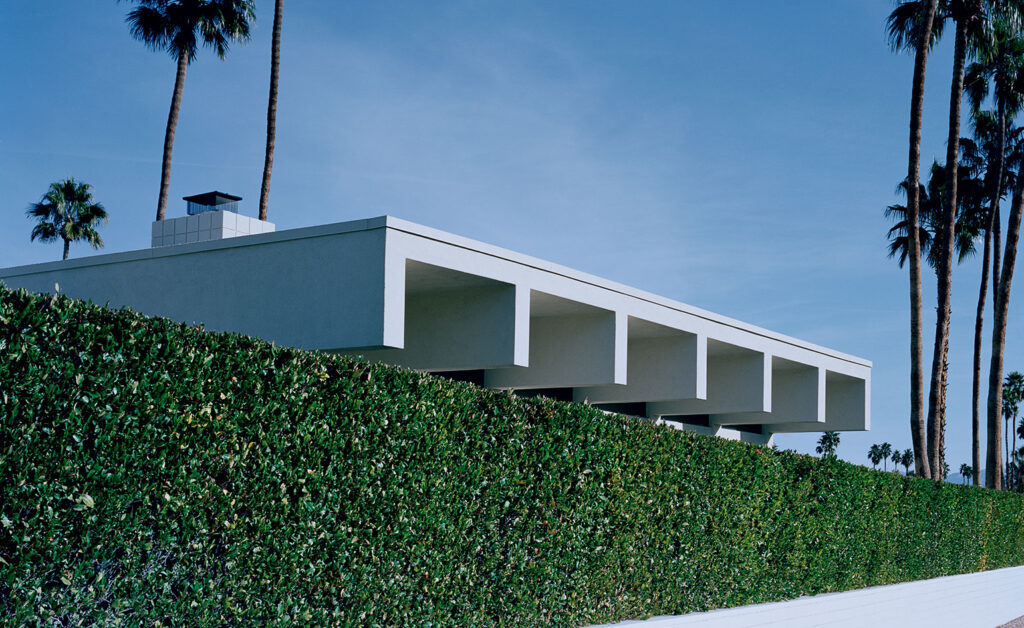
Wexler believed that architecture should be a direct response to its environment. He designed with a sensitivity to the desert’s heat and light, often using wide roof overhangs, shaded patios, and floor-to-ceiling windows to create harmony between structure and landscape. His use of prefabricated steel systems was revolutionary, enabling faster and cost-effective construction while maintaining durability in the harsh desert climate.
For Wexler, architecture was not just about form it was about living. His designs promoted functionality without sacrificing elegance, blending affordable solutions with sleek, modern appeal. This philosophy resonated with postwar America, where efficient yet stylish housing was in high demand.
Iconic Works of Donald Wexler
The Steel Development Houses
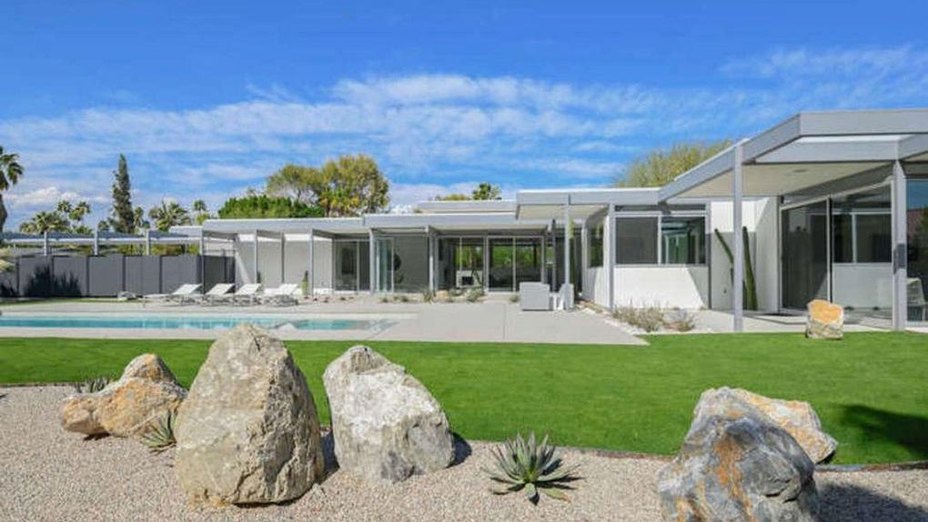
Perhaps Wexler’s most famous contribution to architecture is the series of Steel Development Houses built in Palm Springs in the early 1960s. These homes, developed in partnership with the U.S. Steel Corporation, were designed as affordable, prefabricated housing prototypes. Although only a handful were completed, they demonstrated how steel could revolutionize residential design.
The steel houses were both durable and climate-appropriate, featuring modular components and minimalist design. Decades later, they remain icons of modernist architecture, often commanding significant attention in real estate and design communities.
The Royal Hawaiian Estates

In the early 1960s, Wexler also collaborated on the Royal Hawaiian Estates, a condominium project in Palm Springs. Unlike the steel houses, this project highlighted Wexler’s ability to incorporate tropical influences into modernism. The estate is now recognized as a historic district, celebrated for its colorful facades and unique blending of Polynesian-inspired motifs with modernist principles.
Palm Springs International Airport Terminal
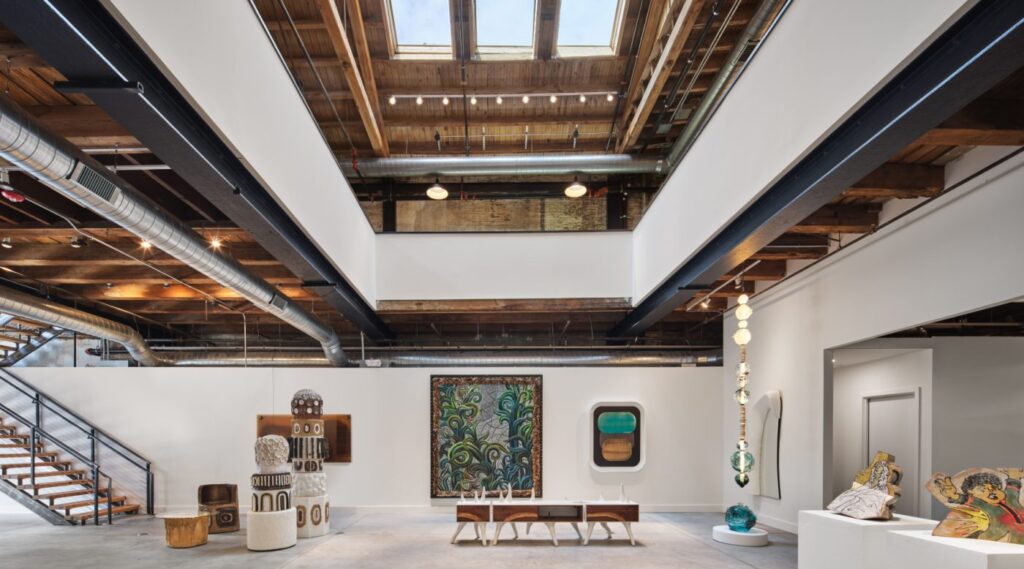
Another landmark attributed to Wexler is the original Palm Springs International Airport terminal, completed in 1966. The design featured open-air breezeways, reflecting his commitment to blending built environments with natural surroundings. This project showcased his adaptability, proving that his architectural ideas could translate into large-scale public works while still maintaining modernist values.
The Role of Technology in Wexler’s Work
Wexler was ahead of his time in recognizing the potential of industrial technology in residential construction. His experimentation with prefabricated steel structures was a groundbreaking step in democratizing modernist architecture. While mass production of such homes did not achieve the scale he envisioned, the ideas influenced future modular housing movements.
Technological advancements allowed Wexler to address real-world problems: reducing construction costs, minimizing environmental impact, and creating energy-efficient homes. His work anticipated today’s sustainable architecture practices, where prefabrication and eco-conscious design are becoming standard.
Real-World Examples of Donald Wexler’s Architectural Impact
Steel House No. 2
This house is a prime example of how Wexler’s use of steel provided both structural strength and sleek aesthetics. Its adaptability to extreme desert temperatures made it a model for future sustainable housing. Visitors often remark on the natural light and seamless indoor-outdoor integration, features that have influenced countless modern home designs.
The Desert Palisades
Later in his career, Wexler’s influence extended to custom homes in exclusive Palm Springs neighborhoods. His principles inspired projects like the Desert Palisades, which embraced his ideas of harmony with nature. While not all homes were designed directly by Wexler, his philosophy shaped their architectural DNA.
Royal Hawaiian Estates as a Community Model
The Royal Hawaiian Estates not only provided housing but also created a sense of community. The shared spaces, courtyards, and playful designs reflected Wexler’s belief that architecture could foster social connections. Today, the estate remains a beloved part of Palm Springs’ cultural landscape, attracting architecture enthusiasts from around the world.
Benefits of Donald Wexler’s Architectural Approach
Wexler’s designs offered practical and lasting benefits, many of which remain relevant today. His prefabricated methods reduced material waste and construction time, proving cost-effective without compromising quality. His homes were also environmentally sensitive, utilizing passive cooling techniques and maximizing natural light to reduce reliance on artificial systems.
Another benefit of his work lies in its timeless appeal. Wexler’s homes continue to attract buyers and admirers decades after their construction, demonstrating that good design transcends trends. By marrying durability with elegance, Wexler set a standard for sustainable yet luxurious living.
Why Wexler’s Work Still Matters
Wexler’s architecture solves problems still faced by contemporary designers: affordability, environmental sustainability, and livability in harsh climates. His steel houses demonstrated how prefabrication could address housing shortages, while his airport and condominium projects proved that modernist principles could scale to larger developments.
In real-world terms, Wexler’s approach is valuable for today’s push toward green building and modular housing. Architects and developers continue to reference his work as they design homes that must balance cost, speed, and ecological sensitivity. His legacy thus provides both inspiration and practical guidance for current architectural challenges.
Frequently Asked Questions
What is Donald Wexler best known for?
Donald Wexler is best known for his Steel Development Houses in Palm Springs, which showcased the innovative use of prefabricated steel in residential design.
Why are Wexler’s homes still significant today?
Wexler’s homes are celebrated for their timeless modernist design, environmental sensitivity, and pioneering use of prefabricated materials, making them both historically and architecturally important.
Can you still visit or see Wexler’s work?
Yes, many of his works, including the Royal Hawaiian Estates and surviving steel houses, are preserved in Palm Springs. They are often featured in architectural tours and modernist heritage events.