Case Study House 8 – History, Design, and Architectural Significance
Case Study House 8, famously known as the Eames House, stands as one of the most influential architectural works of the 20th century. Designed by Charles and Ray Eames in 1949 as part of the Case Study House Program, this residence embodies the modernist spirit of post-war America. Located in the Pacific Palisades, Los Angeles, the house was not only a residence but also a creative studio where the couple developed some of their most celebrated designs in furniture, film, and exhibitions.
The house was revolutionary in its use of industrial materials and its harmonious blend with the natural landscape. Rather than isolating itself from its environment, Case Study House 8 seamlessly integrates architecture, design, and nature—making it one of the most iconic case study houses ever built.
Historical Background of the Case Study House Program
The Case Study House Program was initiated in 1945 by Arts & Architecture magazine. Its goal was to create affordable, functional, and modern homes using innovative building techniques that responded to the post-World War II housing boom in America. Architects such as Richard Neutra, Pierre Koenig, and Eero Saarinen participated in the program, but Case Study House 8 by Charles and Ray Eames became one of the most enduring symbols of the movement.
Unlike many other case study houses that remained purely experimental, the Eames House was a lived-in home. The Eameses used it as their residence and studio for decades, proving that modernist architecture could be practical, livable, and deeply human.
Architectural Design of Case Study House 8
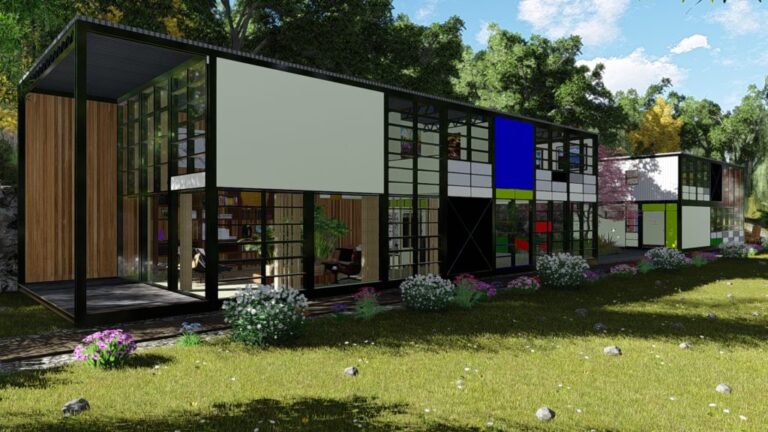
The design of Case Study House 8 is both simple and sophisticated. The structure consists of two rectangular volumes—one serving as the residence and the other as the studio, separated by a small courtyard. The house is built with steel frames and prefabricated panels, which were unconventional choices for residential architecture at the time.
The façade is a grid of colorful panels and glass, reflecting the Eameses’ interest in art, texture, and playfulness. Natural light floods the interiors through large windows, blurring the boundary between indoors and outdoors. The surrounding eucalyptus trees were intentionally preserved, demonstrating the couple’s philosophy of designing with nature rather than against it.
The Influence of Technology on Case Study House 8
The Eames House was among the first to explore the use of prefabricated materials in residential construction. The steel frame system allowed for quicker assembly, cost efficiency, and design flexibility. At a time when mass production was becoming central to modern industry, Charles and Ray Eames showcased how technology could be harnessed to create not just furniture but also entire living environments.
Today, this approach resonates with sustainable architecture movements. The use of modular systems and prefabricated components continues to inspire contemporary architects who aim to balance efficiency, affordability, and design quality.
Real-World Examples and Related Works
Eames Lounge Chair and Ottoman
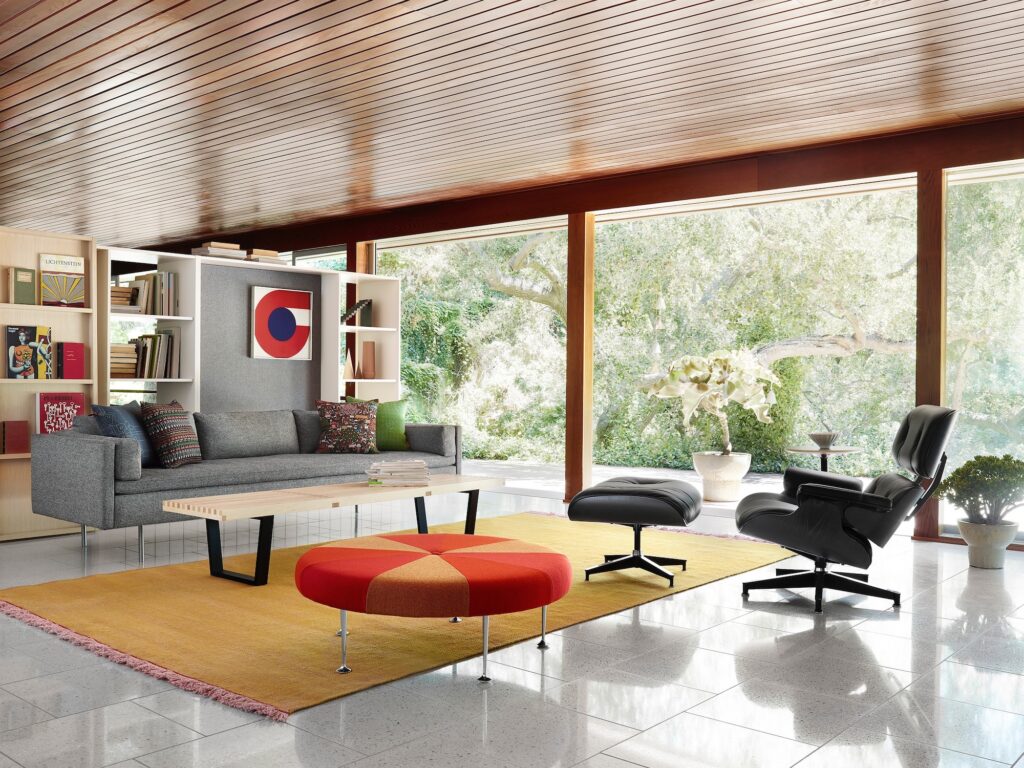
The Eames Lounge Chair, designed in 1956, reflects the same design philosophy seen in Case Study House 8. Built with molded plywood and leather, it demonstrates how industrial techniques can create elegant, comfortable furniture. The chair has become one of the most iconic pieces in modern design, bridging the gap between mass production and timeless artistry.
Its relevance to Case Study House 8 lies in the shared design language of simplicity, functionality, and human-centered comfort. Just as the house redefined modern living, the chair redefined modern seating.
The Miller House in Indiana
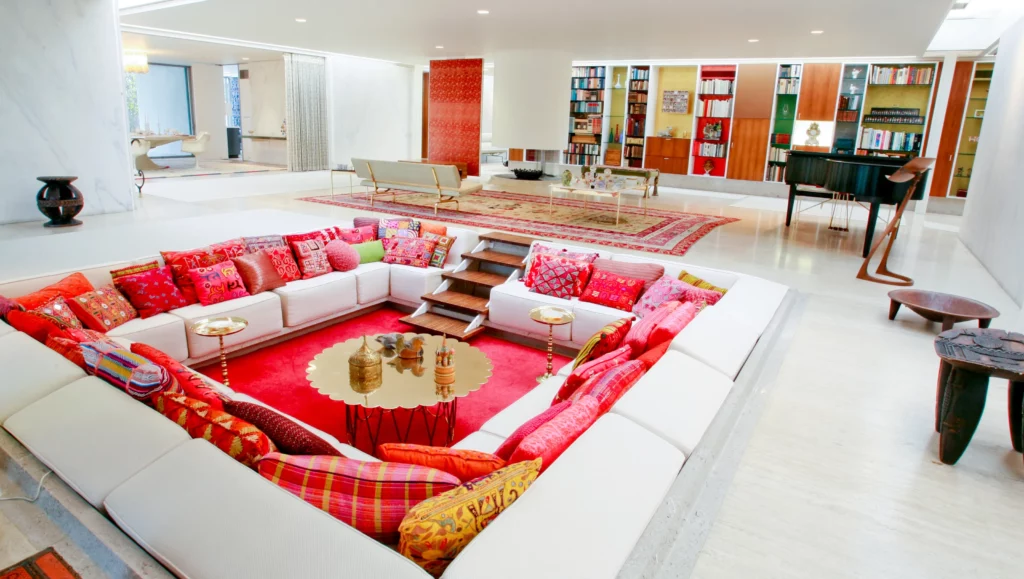
Designed in 1957 by Eero Saarinen with interiors by Alexander Girard and landscape by Dan Kiley, the Miller House also embodies the Case Study ethos. Its open-plan design, use of industrial materials, and integration of art with architecture echo many of the principles of Case Study House 8.
This example shows how the experimental ideas of the case study program influenced broader architectural practices across the United States.
Pierre Koenig’s Stahl House (Case Study House 22)
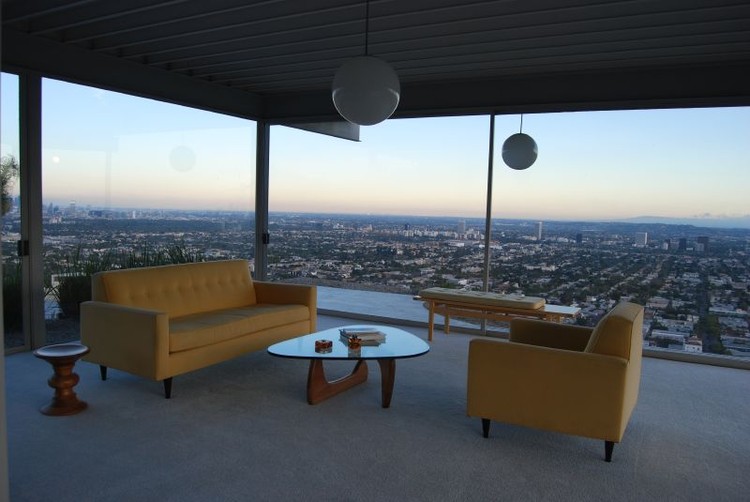
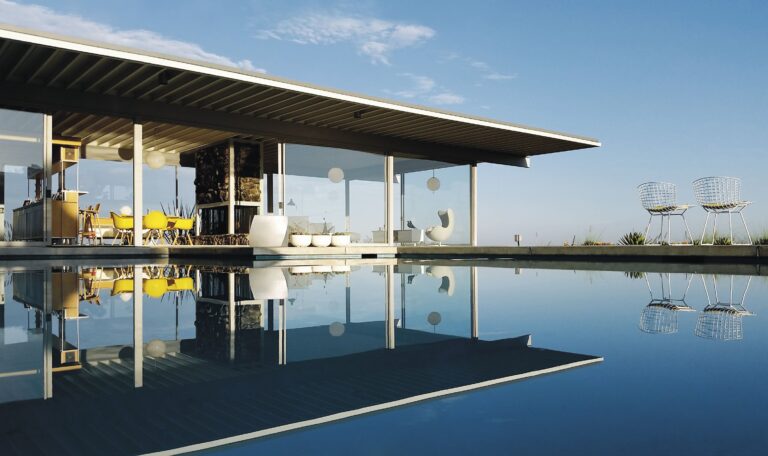
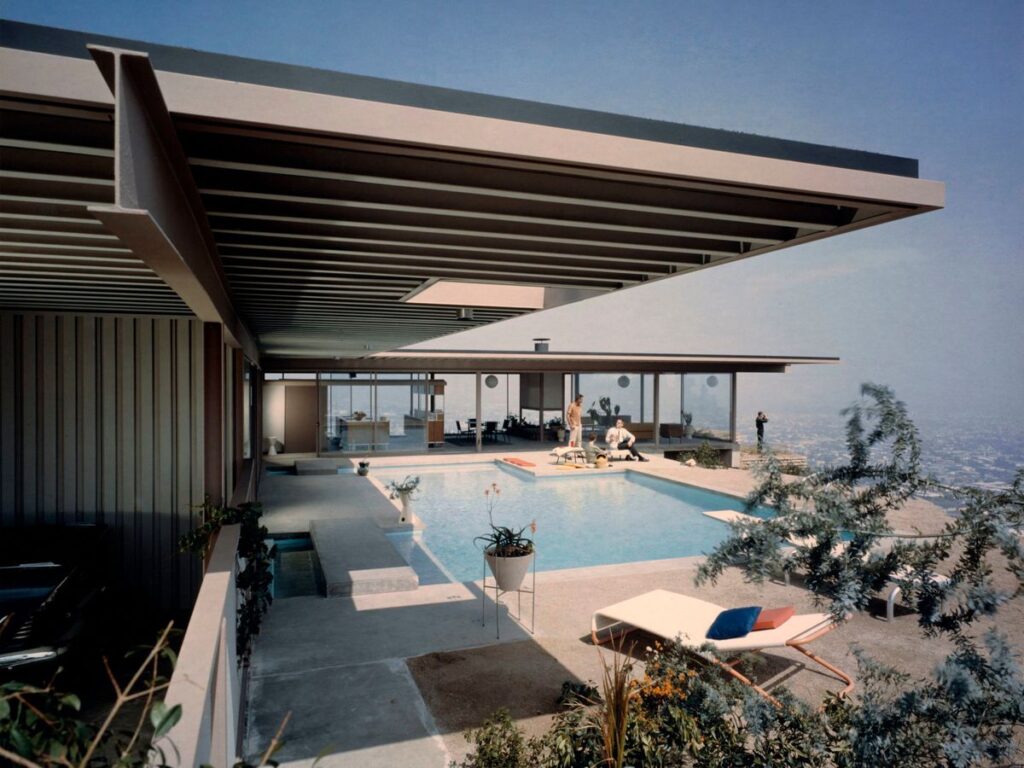
Another striking example from the program is the Stahl House in Los Angeles, completed in 1960. With its glass walls and dramatic views of the city, it became an icon of mid-century modern architecture. While more dramatic than the Eames House, it shares the same emphasis on openness, minimalism, and innovative use of steel and glass.
The Stahl House illustrates how different architects interpreted the same goals of the Case Study House Program while producing distinctive results.
Contemporary Prefabricated Homes
Modern prefabricated homes continue to draw inspiration from the Eames House. Companies today use steel frames, modular systems, and prefabricated panels to create sustainable, affordable housing solutions. These contemporary projects validate the forward-thinking vision of Charles and Ray Eames, demonstrating that the principles behind Case Study House 8 remain relevant.
By bridging past and present, these examples highlight the lasting influence of Case Study House 8 on architecture and design.
Benefits of the Case Study House 8 Approach
The design of Case Study House 8 offers several practical advantages that continue to resonate in modern architecture.
First, its use of prefabricated materials demonstrates efficiency without compromising design quality. This approach reduces construction time and costs while ensuring structural integrity. Second, the house illustrates the value of designing with nature—by preserving trees and integrating outdoor spaces, the Eameses created a home that felt alive and connected to its environment.
Finally, the modularity of its design offers flexibility. By dividing the house into two main volumes—residential and studio—the Eameses established a model for balancing personal and professional life within the same architectural framework.
Use Cases of Case Study House 8 Principles
Sustainable Housing Solutions
The integration of prefabrication and natural surroundings in Case Study House 8 offers lessons for today’s sustainable housing efforts. Architects can apply these principles to create eco-friendly homes that minimize waste and energy consumption.
Blended Work-Life Environments
With remote work becoming increasingly common, the Eames House provides a model for living spaces that also function as productive workspaces. Its separation of home and studio demonstrates how architecture can support balance without sacrificing efficiency.
Affordable Modern Living
One of the core goals of the Case Study Program was affordability. Case Study House 8 proves that good design doesn’t have to be exclusive. By leveraging technology and industrial techniques, modern architects can continue this tradition of designing cost-effective yet elegant homes.
Legacy and Cultural Impact
Case Study House 8 is more than an architectural landmark—it is a cultural symbol. The house represents post-war optimism, the embrace of modernism, and the belief that design could improve everyday life. Its influence extends beyond architecture to furniture, industrial design, film, and art.
As a UNESCO World Heritage site, the Eames House continues to inspire architects, designers, and everyday visitors from around the world. Its enduring relevance lies in its human-centered approach—showing that modern architecture can be both functional and deeply personal.
Frequently Asked Questions
What is Case Study House 8 also known as?
Case Study House 8 is widely known as the Eames House, named after its designers Charles and Ray Eames. It served as both their home and studio.
Why is Case Study House 8 important in architecture?
It is important because it showcased the innovative use of prefabricated materials, integration with nature, and modernist design principles that influenced generations of architects.
Can the public visit Case Study House 8?
Yes, the Eames House is preserved and managed by the Eames Foundation. Visitors can explore the property, although access to the interior may be limited to protect its preservation.