Farnsworth House: A Masterpiece of Modern Architecture and Its Timeless Influence
The Farnsworth House, designed by Ludwig Mies van der Rohe, stands as one of the most celebrated examples of modernist architecture in the 20th century. Located near Plano, Illinois, the house is often described as a minimalist glass box floating above nature. Completed in 1951, it has become more than a residence; it is a cultural artifact, a symbol of architectural purity, and a touchstone for design enthusiasts around the world.
Farnsworth House is often cited as the perfect representation of Mies van der Rohe’s philosophy of “less is more.” Its simplicity, structural clarity, and seamless integration with its natural surroundings have earned it recognition as a National Historic Landmark. Beyond its beauty, the house has influenced countless architects, designers, and even modern technologies that aim to combine simplicity with function.
The Vision of Ludwig Mies van der Rohe
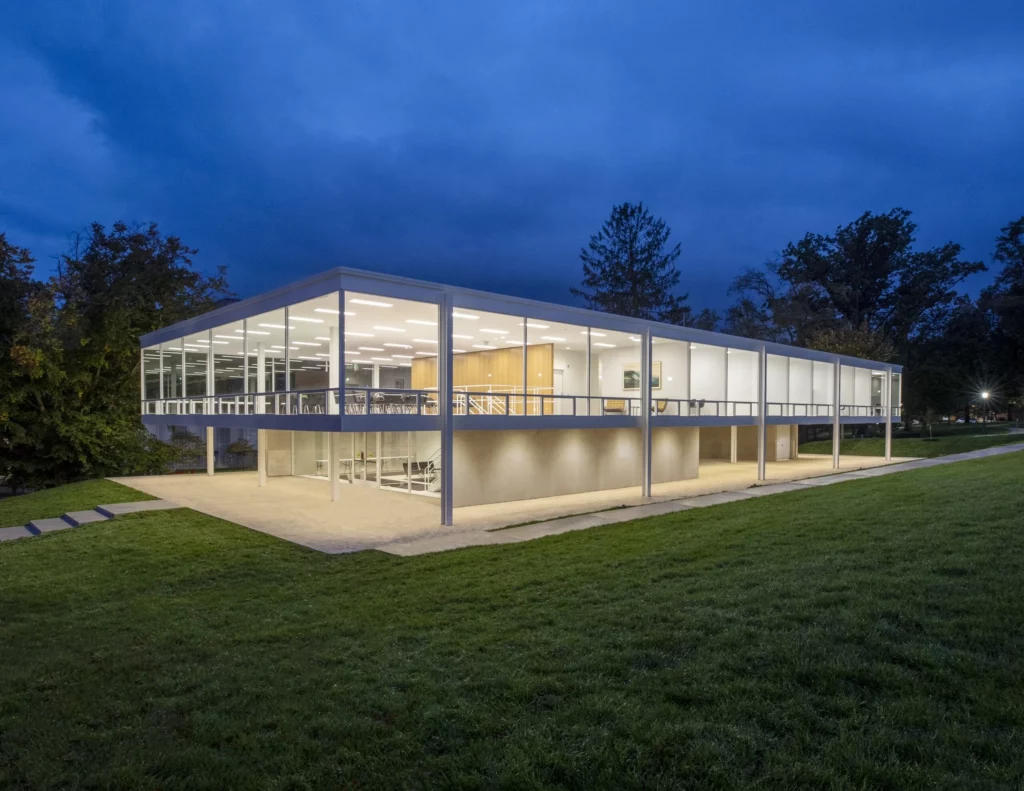
Ludwig Mies van der Rohe, one of the pioneers of modernist architecture, designed Farnsworth House with a vision of creating a home that merged seamlessly with the surrounding landscape. The goal was not to dominate nature but to live harmoniously within it. By elevating the structure on steel stilts, Mies achieved both practical and aesthetic outcomes, protecting the house from flooding while creating the illusion that it floats above the ground.
This house represents Mies’s exploration of openness, clarity, and proportion. The steel-and-glass design reduced the concept of “home” to its essence: shelter, openness, and a direct connection with the environment. In an era when ornate detailing and traditional forms dominated residential architecture, Farnsworth House broke boundaries and introduced a radical new way of living.
Architectural Design and Structure
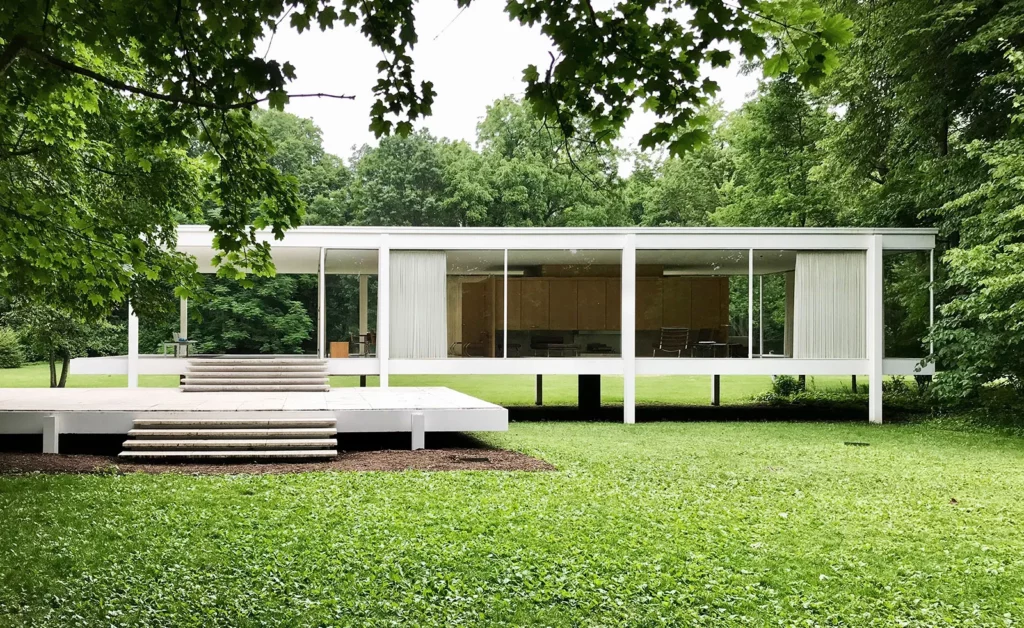
The Farnsworth House measures 1,500 square feet and consists of a single room with distinct zones rather than traditional walls and separations. The entire house is encased in glass, supported by eight steel columns painted in a clean white finish. The transparency allows uninterrupted views of the surrounding landscape, while also dissolving the boundaries between inside and outside.
The floor plan emphasizes flow and flexibility. Instead of rigid rooms, there are designated spaces for living, cooking, sleeping, and working, all defined by functional furniture and partitions rather than permanent walls. The use of white-painted steel, travertine floors, and expansive glass panels reinforces a sense of weightlessness and serenity.
Beyond aesthetics, the elevated structure also serves a technical purpose. Built near the Fox River, the house is raised five feet above the ground to avoid potential flooding, a decision that has proven both necessary and visionary.
Farnsworth House as a Symbol of Minimalism
The house is more than just an architectural feat; it represents the very core of minimalist design. Minimalism in architecture emphasizes clean lines, simplicity, and the elimination of excess. Farnsworth House captures this philosophy perfectly by stripping away decorative elements and focusing purely on function and form.
Its influence extends beyond architecture into lifestyle and design thinking. In today’s context, where decluttering and “less is more” lifestyles are popularized by movements like minimalism and sustainable living, Farnsworth House stands as an early representation of those values.
Real-World Examples Inspired by Farnsworth House
Glass House by Philip Johnson
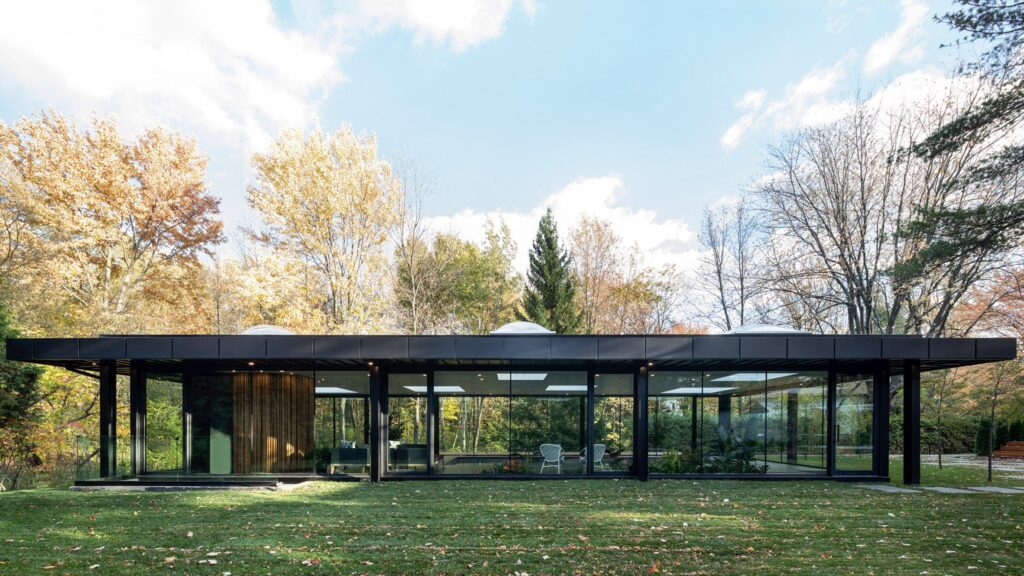
Philip Johnson, a close friend of Mies, designed his Glass House in Connecticut in 1949, just before Farnsworth House was completed. While similar in concept, Johnson’s Glass House takes a slightly different approach by being more decorative and experimental. Still, it shares the same core values of transparency, openness, and harmony with nature. Farnsworth House provided a model that validated the feasibility of living in a glass structure, influencing Johnson’s own bold project.
The Glass House remains one of the most famous residential structures in America and is now a museum. Its success is directly tied to the precedent set by Farnsworth House.
The Barcelona Pavilion
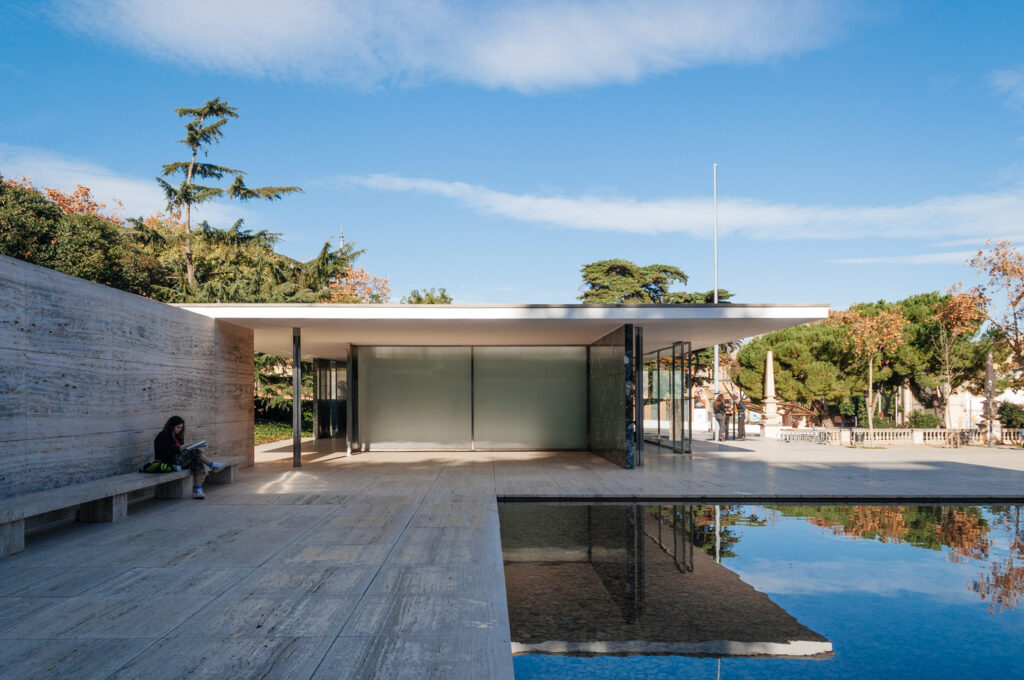
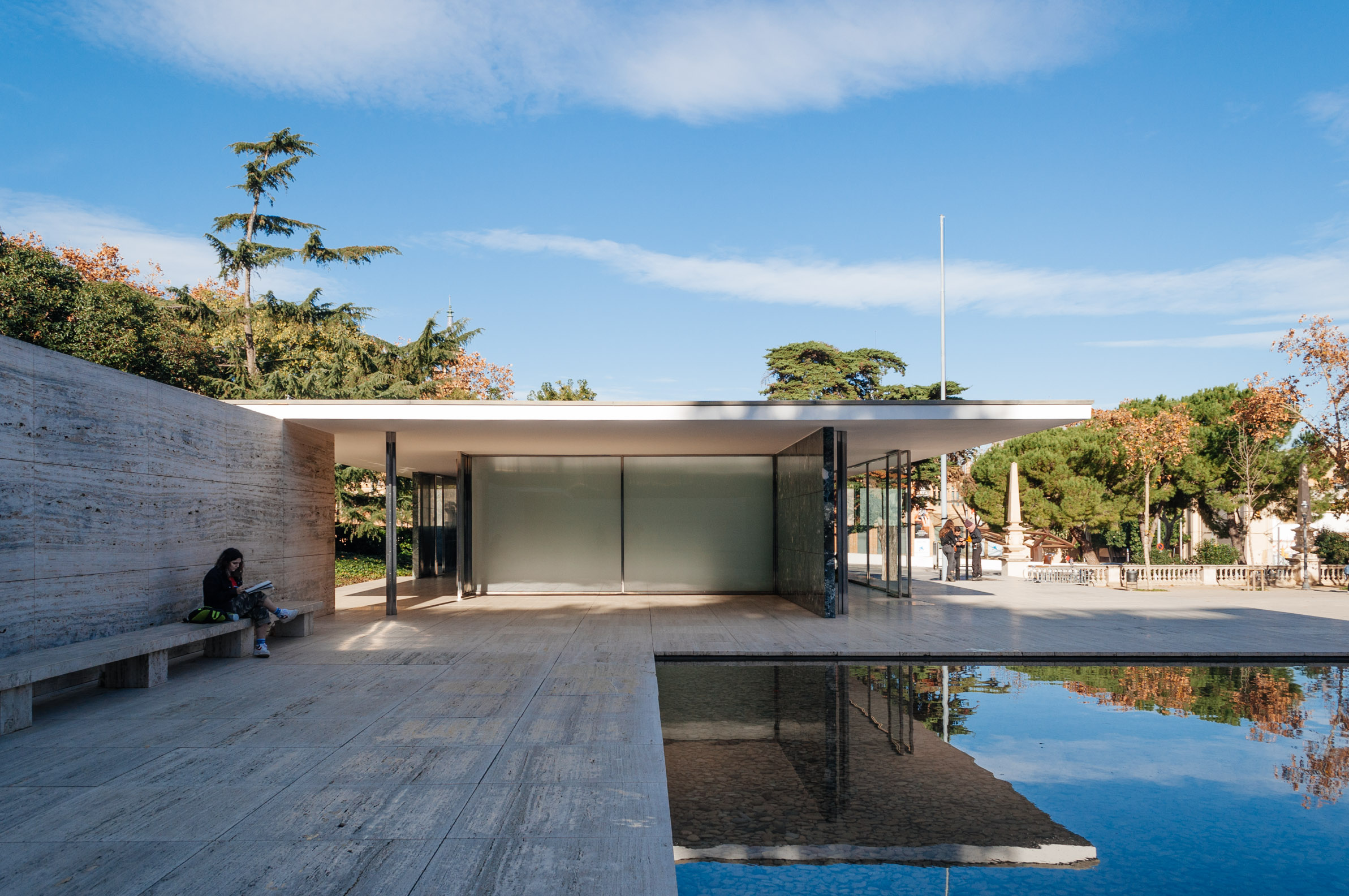
Although built in 1929, the Barcelona Pavilion by Mies van der Rohe shares a design ethos with Farnsworth House and can be seen as a precursor to its development. The Pavilion emphasized open space, free-flowing interiors, and the use of glass and steel to dissolve boundaries. Farnsworth House applied these lessons to a residential context, creating a livable yet equally artistic structure.
The Pavilion and Farnsworth House together shaped modernist architecture globally, influencing corporate buildings, museums, and contemporary minimalist homes.
Contemporary Minimalist Homes
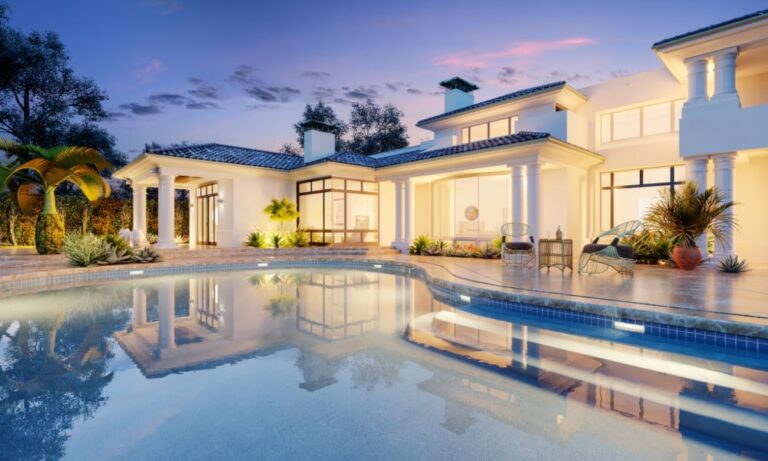
Many modern homes today draw direct inspiration from Farnsworth House. Architects and homeowners alike have adopted the use of expansive glass, open floor plans, and a seamless integration with natural surroundings. From eco-friendly cabins in remote forests to luxury glass villas, the influence of Farnsworth House is visible worldwide.
These homes not only celebrate beauty but also integrate modern technologies such as smart glass panels, solar roofing, and energy-efficient systems, all while maintaining the minimalist aesthetic pioneered by Mies.
Apple Park Headquarters
Even in the corporate world, Farnsworth House has left its mark. Apple Park, Apple’s circular headquarters in Cupertino, California, designed by Norman Foster, embraces many of the same principles: transparency, simplicity, and a harmonious relationship with the natural environment. Though at a much larger scale, the sleek use of glass and minimal structural interference echoes the timeless legacy of Farnsworth House.
This example highlights how Mies’s design principles have transcended homes and influenced global icons of technology and innovation.
Benefits of Technology in Preserving Farnsworth House
Modern technology plays a crucial role in the preservation of Farnsworth House. Given its glass construction and exposure to natural elements, the structure requires constant care. Climate control systems, structural monitoring, and advanced flood prevention techniques help maintain the house in its original form.
For instance, real-time monitoring technology ensures that the building’s steel and glass components remain structurally sound despite changing weather patterns. Meanwhile, advanced flood management systems have been developed to protect the house from recurring river floods. These technological interventions allow future generations to continue experiencing the house in its authentic state.
Additionally, digital tools such as 3D scanning and virtual reality tours make Farnsworth House accessible to global audiences who cannot visit in person. This digital preservation ensures that the architectural masterpiece remains relevant and studied by students, architects, and design enthusiasts worldwide.
Practical Use Cases and Real-Life Relevance
Farnsworth House demonstrates that architecture is not merely about shelter but about enhancing life through space and design. Its relevance can be seen in multiple contexts:
- Residential Inspiration: Homeowners seeking minimalist lifestyles often look to Farnsworth House as a model for simplifying living spaces while maintaining elegance.
- Architectural Education: Architecture schools worldwide use Farnsworth House as a case study for teaching proportion, balance, and modernist ideals.
- Sustainable Design: Its principles of openness and simplicity resonate with eco-friendly architecture that reduces unnecessary construction and emphasizes harmony with nature.
- Cultural Tourism: As a museum and National Historic Landmark, Farnsworth House continues to attract visitors from across the globe, contributing to cultural exchange and tourism.
FAQs about Farnsworth House
1. Why is Farnsworth House considered important in modern architecture?
Farnsworth House is significant because it embodies the principles of modernism: simplicity, structural clarity, and integration with nature. Designed by Mies van der Rohe, it pushed the boundaries of residential architecture by eliminating traditional walls and embracing transparency.
2. What challenges has Farnsworth House faced over time?
The house has faced recurring flooding issues due to its proximity to the Fox River. While it was elevated for protection, major floods in recent decades have threatened its structure. Preservation efforts, including technological flood prevention, have been crucial to maintaining it.
3. Can visitors tour Farnsworth House today?
Yes, Farnsworth House is open to the public as a museum. Visitors can experience guided tours that showcase its design, history, and significance, offering a firsthand encounter with one of the most iconic examples of modernist architecture.