
Home Inspection: Complete Guide, Technology Benefits, and Real-World Use Cases
A home inspection is a crucial step in the real estate process, providing a professional evaluation of a property’s condition. It helps buyers, sellers, and realtors make informed decisions by identifying potential issues with the structure, systems, and safety features of a house. From electrical wiring and plumbing to roofing and foundation, inspections offer peace of mind before a major transaction.
In modern real estate, home inspection goes beyond a checklist. It incorporates technology, in-depth reporting, and even virtual documentation to ensure that every detail is captured. This process not only saves clients from unexpected costs but also strengthens trust between parties in a real estate transaction.
Why Home Inspections Are Essential

Home inspections protect buyers from unforeseen risks. For example, a house may appear flawless during a walk-through, but underlying issues like hidden water damage or outdated wiring can only be uncovered through professional inspection. By identifying these problems early, clients can avoid costly repairs in the future.
For sellers, inspections provide transparency and credibility. Having an inspection report ready before listing can increase buyer confidence, leading to faster transactions and stronger negotiation power. In luxury and high-value real estate, inspections are often non-negotiable, as clients demand absolute certainty about their investment.
The Role of Technology in Home Inspection
Technology has transformed home inspections, making them more efficient, accurate, and accessible. Instead of relying solely on visual assessments, inspectors now use advanced tools such as thermal imaging cameras, drones, and digital moisture meters. These innovations provide insights that traditional inspections cannot achieve.
Another significant advancement is the integration of software and mobile apps. Inspectors can now create detailed, photo-rich reports instantly, allowing buyers and sellers to access results in real-time. This ensures transparency and reduces delays in the real estate process.
Real-World Examples of Modern Home Inspection Tools
Thermal Imaging Cameras
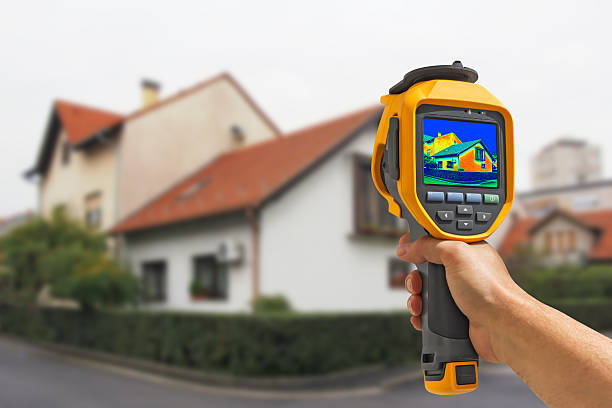
Thermal imaging cameras detect temperature variations in walls, ceilings, and floors. This technology is particularly effective in uncovering insulation issues, electrical hot spots, and hidden moisture. For example, in colder climates, inspectors use thermal imaging to pinpoint areas where heat escapes, helping buyers anticipate energy costs.
The ability to visualize hidden problems adds credibility to the inspection process. It ensures clients are fully aware of potential repairs that might not be visible during a traditional walk-through.
Drone-Assisted Roof Inspections
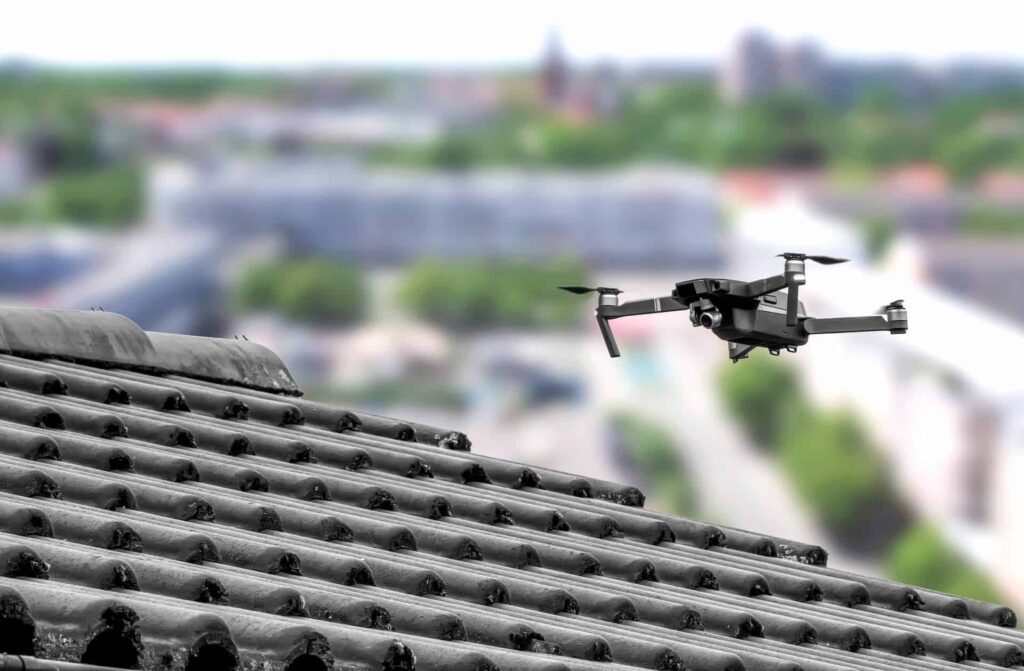
Inspecting roofs can be dangerous and time-consuming. Drones provide a safer, faster, and more accurate alternative by capturing high-resolution images of rooftops, chimneys, and gutters. They are particularly useful for large or luxury properties where roof access may be difficult.
Drone footage also provides clients with visual proof of a roof’s condition. This allows buyers to make informed decisions, and sellers can use the images as part of their marketing strategy to showcase property integrity.
Digital Moisture Meters
Water damage is one of the most expensive issues homeowners face. Digital moisture meters help inspectors detect moisture levels in walls, floors, and ceilings, even when no visible signs are present. This prevents potential mold growth and structural weakening from going unnoticed.
By identifying hidden water problems early, inspectors provide clients with valuable foresight. This empowers buyers to negotiate repairs before closing, saving significant expenses in the long run.
Home Inspection Software
Modern inspection software allows professionals to streamline reporting. They can insert photos, videos, and detailed notes directly into a digital report. Clients can then access these documents online, making the entire process transparent and convenient.
Beyond efficiency, these platforms also improve record-keeping. Real estate agents and homeowners can store and reference past inspections to monitor property condition over time.
Benefits of Technology in Home Inspection

Technology-driven inspections provide several advantages that enhance the traditional process. Accuracy is significantly improved, as tools like thermal cameras and drones detect issues that may otherwise go unnoticed. This leads to more reliable decision-making for both buyers and sellers.
Time efficiency is another major benefit. Digital reporting tools eliminate delays caused by manual documentation, allowing clients to receive results instantly. For luxury properties with tight timelines, this can make a critical difference in completing transactions smoothly.
Additionally, the use of technology builds trust. When clients see visual proof of potential problems, such as drone footage or thermal images, they are more confident in the inspector’s evaluation. This transparency strengthens the integrity of the transaction.
How Home Inspection Solves Real Problems
One of the most common issues solved by inspections is detecting hidden safety hazards. For instance, faulty electrical wiring can pose fire risks if left unaddressed. Inspectors using advanced tools can uncover these dangers before they become life-threatening.
Inspections also help prevent financial loss. A buyer who discovers a cracked foundation after closing could face repair bills in the tens of thousands. Through thorough inspection, such issues are identified beforehand, allowing renegotiation or repair.
Another key use case is future planning. Even when a home passes inspection with only minor issues, the report provides a maintenance roadmap. Homeowners can prioritize repairs and upgrades, preserving property value over time.
FAQs About Home Inspection
1. How long does a typical home inspection take?
A standard home inspection usually takes 2 to 4 hours, depending on the size and condition of the property. Larger or more complex homes may require additional time, especially if advanced tools like drones or thermal imaging are used.
2. Do home inspections cover every detail of a property?
While inspections are thorough, they focus on accessible areas and major systems such as electrical, plumbing, roofing, and structural components. Inspectors do not typically open walls or move large furniture, but may use technology to assess hidden issues.
3. Why is a home inspection important for sellers?
For sellers, inspections provide credibility and help avoid last-minute negotiations. By addressing problems early, sellers can present their property with confidence, often leading to faster sales and stronger offers.