Luxury Real Estate Marketing: Strategies, Technology, and Real-World Success
Luxury real estate marketing is a specialized approach that focuses on promoting premium properties to a discerning clientele. Unlike standard real estate, this sector requires a blend of creativity, storytelling, and technology to showcase the exclusivity, lifestyle, and prestige associated with luxury homes. Buyers at this level are not just looking for a house; they are searching for an aspirational lifestyle, and marketing strategies must reflect this elevated demand.
From high-quality visuals to immersive experiences, luxury real estate marketing goes beyond traditional advertising. It requires carefully crafted campaigns that leverage both emotional appeal and advanced digital solutions. Understanding this unique field is crucial for real estate professionals, developers, and agencies aiming to succeed in the competitive world of high-end property sales.
The Core Principles of Luxury Real Estate Marketing
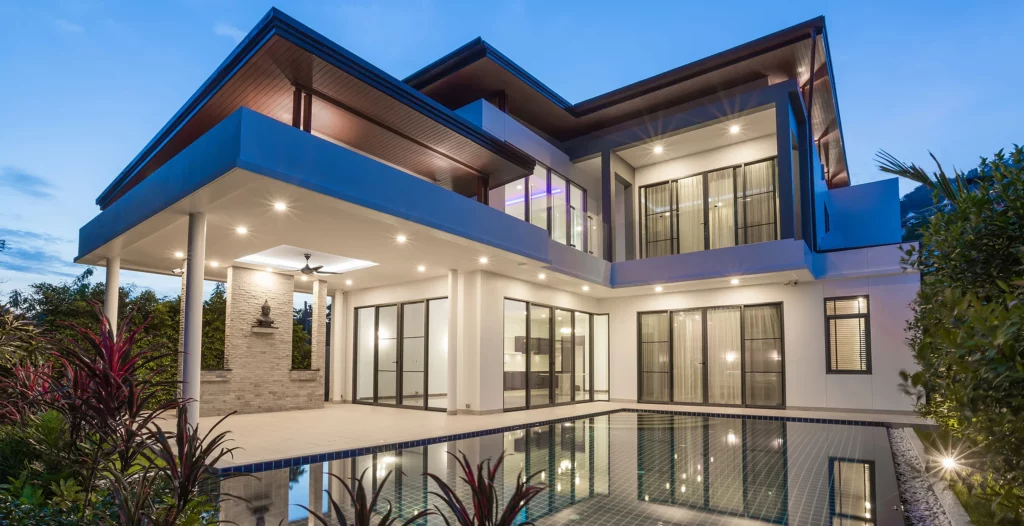
Luxury real estate marketing stands apart from standard property promotion because it blends branding, storytelling, and exclusivity. Every campaign must highlight the property’s unique value while aligning with the expectations of an affluent audience.
A key principle is authenticity. Buyers in this market are sophisticated, often global, and can recognize staged or shallow messaging. Successful campaigns highlight not only the property itself but also its architectural details, history, surrounding community, and lifestyle. By building trust and emotional resonance, luxury marketing creates a sense of belonging for potential buyers.
Another essential principle is scarcity. Luxury homes are rare by nature, and effective marketing emphasizes their limited availability. This exclusivity is a powerful motivator that creates urgency and elevates desirability.
Role of Branding in Luxury Real Estate

Branding plays a central role in luxury real estate marketing. Every element, from logos to tone of voice, must reflect sophistication, exclusivity, and elegance. A strong brand does more than just advertise a home—it builds long-term recognition and trust.
For instance, luxury real estate agencies often use signature branding across property brochures, websites, and digital campaigns. This cohesive identity signals professionalism and assures buyers that they are engaging with a premium-level service. High-end branding not only attracts clients but also elevates the perceived value of properties under representation.
Imagine a sleek luxury property brochure with gold-accented typography, full-spread high-resolution images, and minimalist design. This type of visual marketing piece conveys a strong sense of prestige, ensuring buyers immediately associate the property with a high level of value.
The Importance of Storytelling in Property Presentation
Storytelling transforms property listings into emotional experiences. Instead of merely highlighting square footage or the number of bedrooms, luxury real estate marketing focuses on the narrative behind the property.
For example, a waterfront villa can be presented as a sanctuary for privacy, with sunlit mornings overlooking the ocean and evenings spent entertaining guests on expansive terraces. This type of storytelling appeals directly to the buyer’s emotions, making them imagine themselves living that lifestyle.
By weaving stories into campaigns, real estate professionals differentiate properties from standard listings, giving them a memorable identity in the minds of potential buyers.
Benefits of Using Technology in Luxury Real Estate Marketing
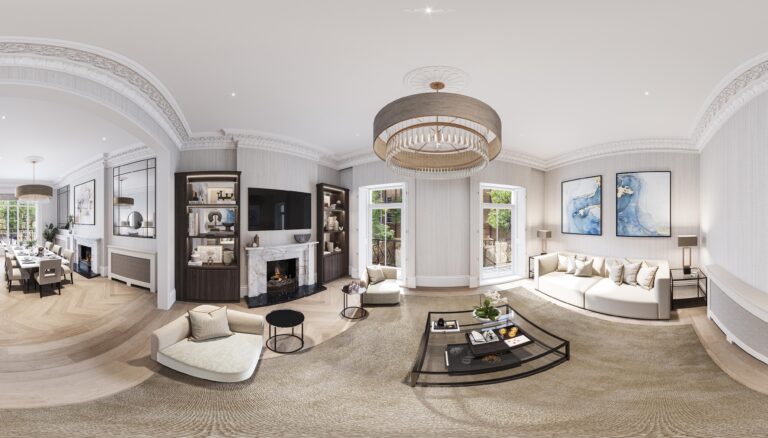
Technology has revolutionized luxury real estate marketing, making it possible to engage global audiences and deliver immersive property experiences. One of the most impactful tools is virtual reality (VR) tours, which allow potential buyers to explore properties remotely in stunning detail. This is particularly valuable for international clients who cannot visit in person.
Another technological advantage is drone photography and videography. Drones capture cinematic aerial footage, showcasing sprawling estates, waterfront views, and architectural grandeur in ways traditional photography cannot. These visuals not only provide perspective but also emphasize the scale and uniqueness of luxury properties.
Artificial intelligence (AI) also plays a growing role in personalizing marketing campaigns. Through data analysis, AI can target ads to specific demographics most likely to purchase luxury homes, increasing efficiency and maximizing return on investment.
Real-World Examples of Luxury Real Estate Marketing
The One Bel-Air Mansion Campaign
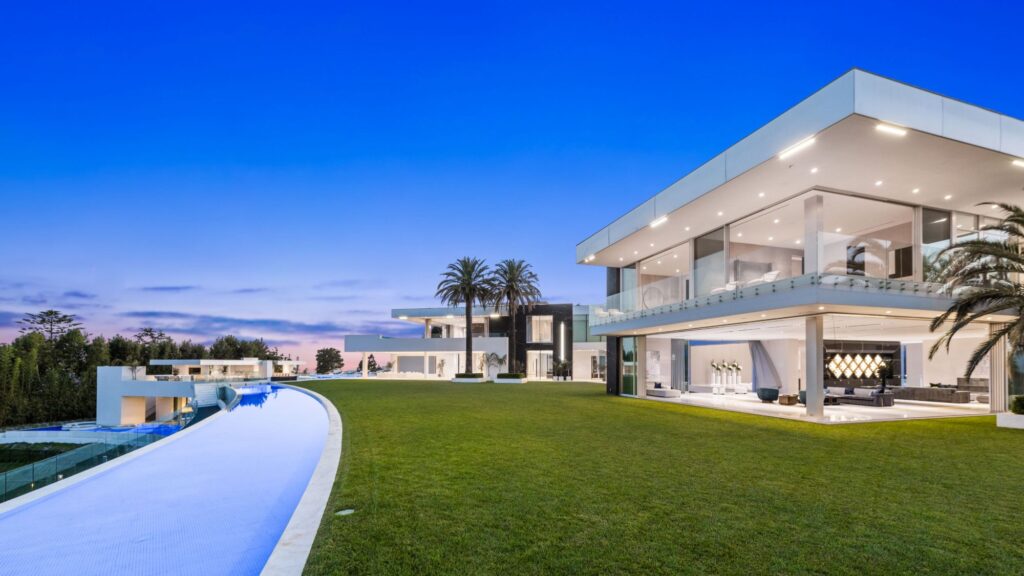
The One, a mega-mansion in Bel-Air, California, exemplifies luxury marketing through large-scale media campaigns. This property was promoted with cinematic videos, glossy editorial features, and exclusive events. By integrating both traditional PR and digital campaigns, marketers positioned it not just as a home but as an international landmark.
The campaign demonstrated the importance of multi-platform exposure, from high-end magazines to global digital media, ensuring maximum visibility to a targeted elite audience.
Sotheby’s International Realty Virtual Experiences
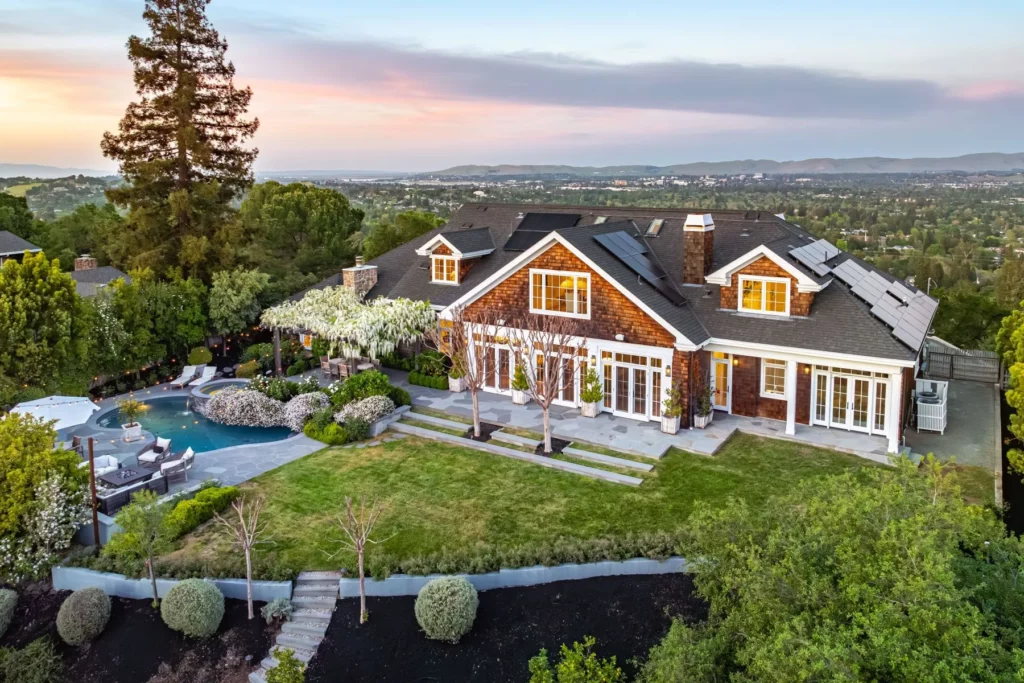
Sotheby’s International Realty is known for its mastery of technology-driven marketing. The brand employs 3D virtual tours, drone footage, and virtual staging to attract global buyers. This approach ensures international clients can view properties with minimal travel while still experiencing their luxury appeal.
This case highlights how leading agencies use immersive technology to set new industry standards in property presentation, catering to the convenience and expectations of affluent buyers.
Douglas Elliman Luxury Campaigns in New York
Douglas Elliman, one of the most prestigious luxury agencies in New York, integrates storytelling with lifestyle branding. Their marketing often includes collaborations with luxury fashion brands, emphasizing the lifestyle associated with their properties. By connecting real estate with high fashion and luxury events, they create a cross-industry synergy that enhances the aspirational nature of their campaigns.
This example proves that successful luxury marketing often extends beyond property listings, tapping into cultural and lifestyle associations that elevate the brand and its properties.
Drone Marketing for Caribbean Villas
High-end villas in the Caribbean are frequently marketed using drone cinematography. By showcasing private beaches, lush landscapes, and sprawling estates from above, marketers appeal to buyers’ desire for privacy and grandeur. This approach has become particularly effective for international buyers seeking second homes in tropical locations.
Drone-based storytelling has reshaped how properties are presented, adding an element of cinematic luxury to listings.
Benefits of Luxury Real Estate Marketing in Practice
One of the main benefits of luxury real estate marketing is its ability to expand reach. Through digital campaigns and technology, agents can showcase properties to international buyers who may not be able to visit in person. This opens new markets and accelerates the sales process.
Another benefit is differentiation. In a competitive industry, luxury marketing allows properties to stand out through branding, storytelling, and immersive technology. This uniqueness not only attracts buyers but also justifies premium pricing.
Finally, luxury real estate marketing enhances client trust. High-quality campaigns signal professionalism and sophistication, assuring clients that they are dealing with an expert who understands the prestige of their property.
Use Cases of Luxury Real Estate Marketing
Selling Ultra-Exclusive Mansions
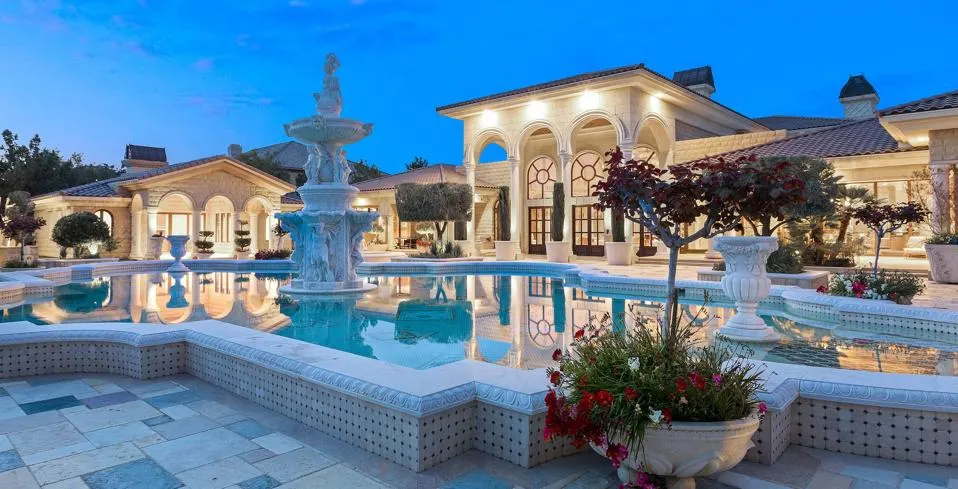
Ultra-luxury mansions often have very specific buyer pools. Through targeted luxury marketing, agents can reach global ultra-high-net-worth individuals and demonstrate the exclusivity of the property. By using virtual tours, glossy editorial features, and invitation-only events, these homes are positioned as one-of-a-kind investments.
Marketing Waterfront Properties
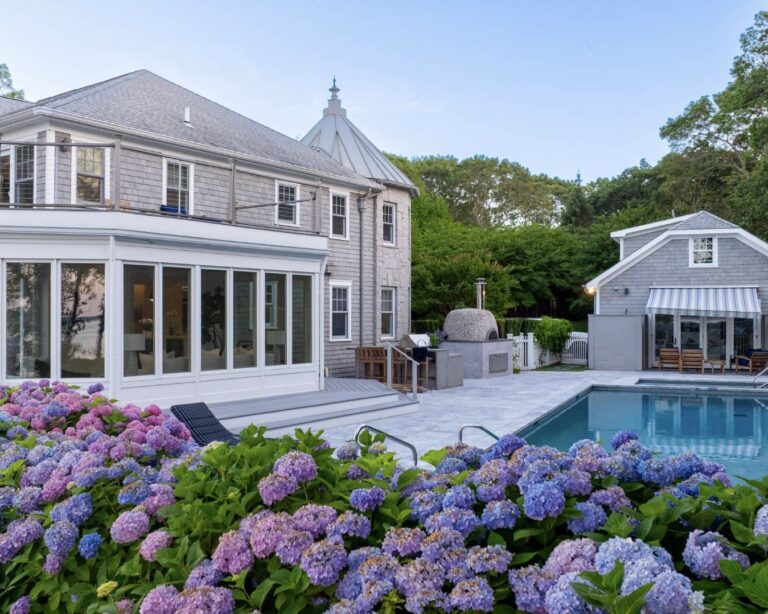
Waterfront estates benefit greatly from drone footage and cinematic video campaigns. Marketing highlights not only the home but also the lifestyle of boating, sunsets, and private beaches. This creates an aspirational appeal, ensuring buyers view the property as more than just a house; it becomes a complete luxury lifestyle experience.
Positioning Luxury Apartments in Urban Centers
High-end apartments in cities like New York, London, or Hong Kong are marketed through branding strategies that emphasize prestige and exclusivity. Developers often integrate luxury partnerships, such as showcasing interiors designed by world-class architects or fashion houses. This approach connects properties with cultural cachet, increasing desirability among elite buyers.
Frequently Asked Questions
1. What makes luxury real estate marketing different from standard property marketing?
Luxury real estate marketing focuses on exclusivity, lifestyle, and storytelling. It requires high-end visuals, advanced technology, and branding that resonate with affluent buyers, unlike standard property marketing that often highlights practical features.
2. How does technology improve luxury real estate marketing?
Technology enhances property visibility through virtual tours, drone footage, and AI-driven campaigns. It makes global reach possible while offering immersive experiences that allow buyers to explore properties without traveling.
3. Why is storytelling important in luxury real estate marketing?
Storytelling creates emotional connections by showcasing the lifestyle a property represents, not just its physical features. This helps potential buyers imagine themselves living in the home, making it more memorable and desirable.