Architectural Rendering: Definition, Benefits, and Real-World Applications in Modern Design
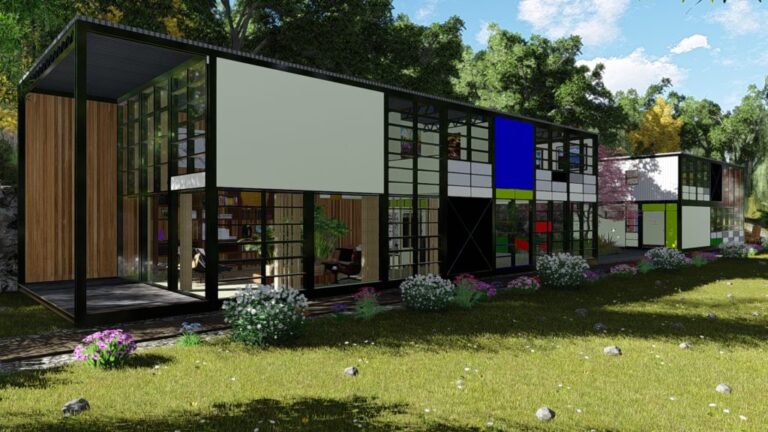
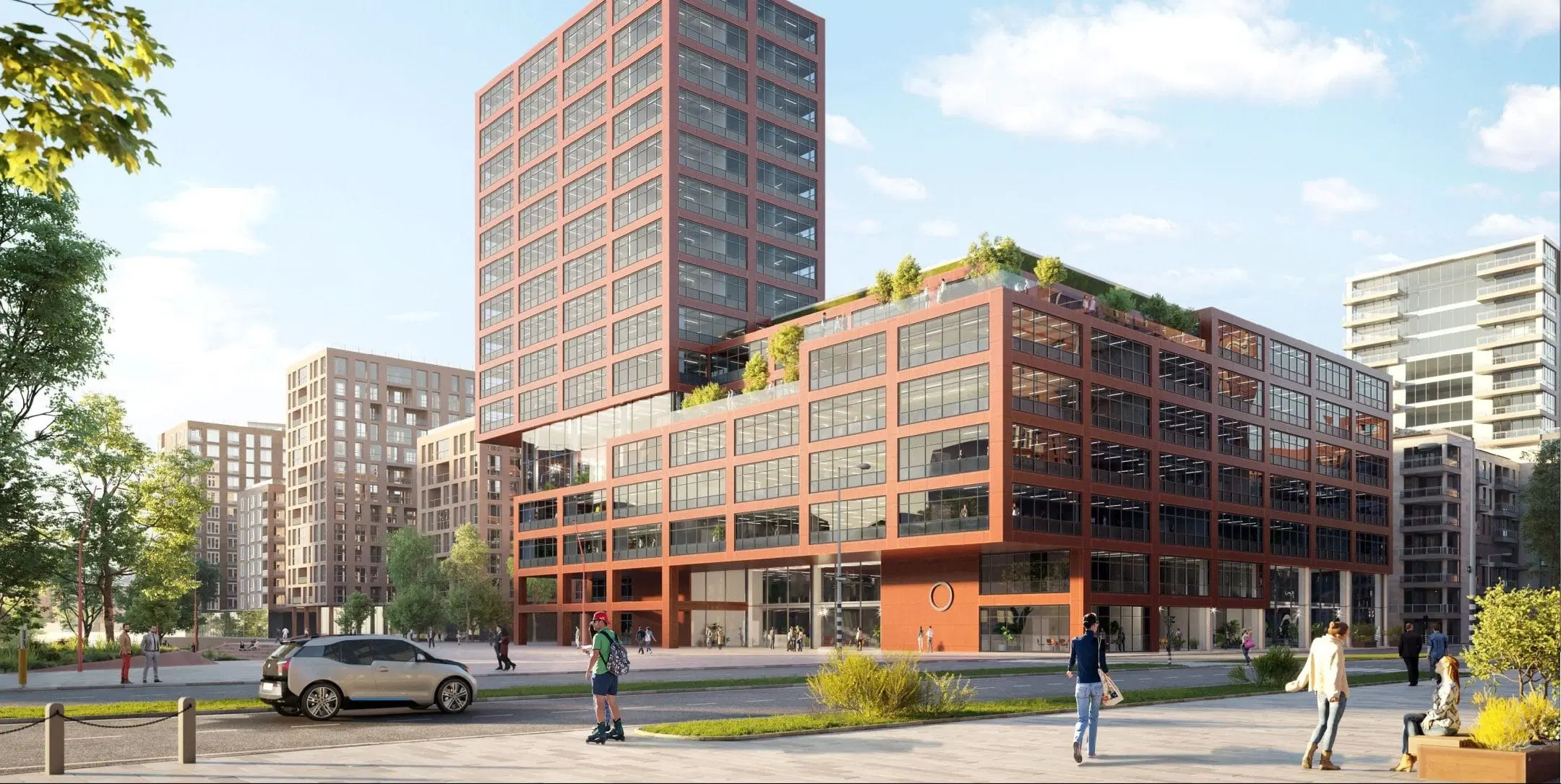
Architectural rendering is one of the most transformative tools in the field of design and construction. It refers to the process of creating lifelike images, videos, or visualizations of architectural projects before they are physically built. These renderings allow architects, designers, and clients to envision what a building will look like in its final form, often down to the smallest details such as lighting, materials, and interior finishes.
The importance of architectural rendering has grown dramatically with advancements in 3D modeling software and computer graphics. What was once limited to hand-drawn sketches and blueprints has now evolved into immersive, photorealistic visuals that help bridge the gap between imagination and reality.
The Evolution of Architectural Rendering
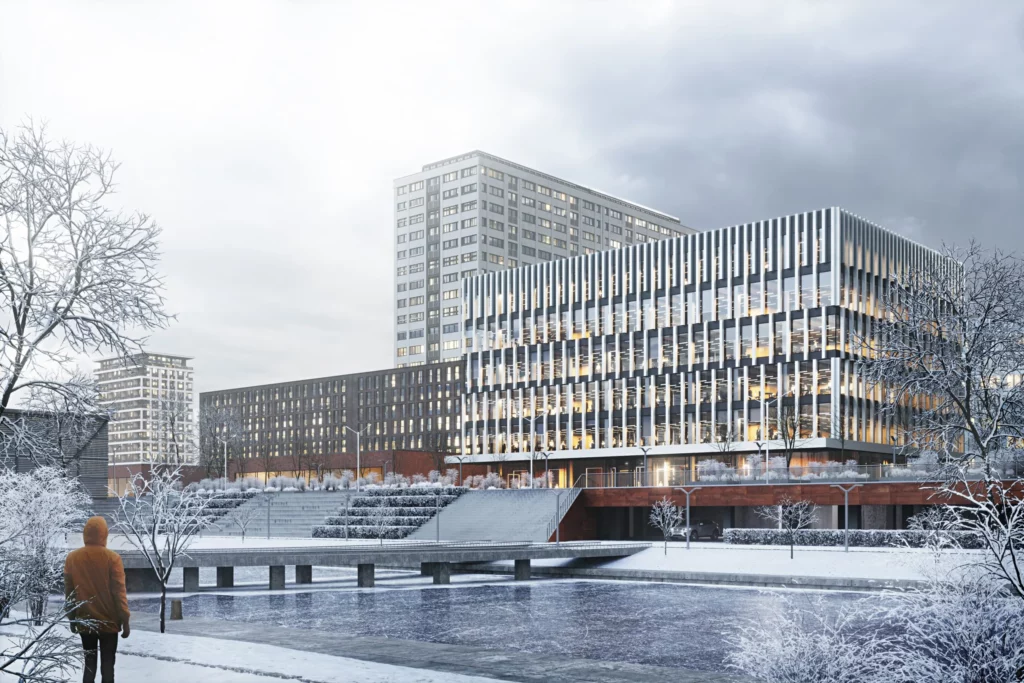
Architectural rendering has come a long way since its earliest days. Before computers, architects relied heavily on sketches, perspective drawings, and watercolor paintings to communicate their ideas. These visualizations, while artistic, often lacked precision and could not fully convey how the final design would interact with its environment.
With the advent of computer-aided design (CAD) in the late 20th century, the process became more technical and precise. Today, modern rendering software allows designers to produce photorealistic 3D models, interactive walkthroughs, and even virtual reality experiences. This evolution has revolutionized how architecture is presented, approved, and constructed.
How Architectural Rendering Works
At its core, architectural rendering involves three critical components: modeling, texturing, and rendering output. The process starts with building a 3D model of the structure, including its geometry and spatial layout. This is followed by applying textures such as wood, concrete, glass, or metal to surfaces to simulate real-world materials. Finally, rendering engines process the lighting, shadows, and reflections to create lifelike images or animations.
Modern rendering tools often employ advanced techniques such as ray tracing, global illumination, and procedural textures to enhance realism. These technologies allow architects to demonstrate how a space will look at different times of day, in various weather conditions, or under specific interior lighting scenarios.
Benefits of Architectural Rendering with Technology
One of the greatest benefits of architectural rendering lies in its ability to enhance communication between designers, builders, and clients. Traditional 2D blueprints can be difficult for clients to interpret, often leading to misunderstandings or unexpected outcomes. Renderings eliminate this gap by providing visuals that are easy to understand and relatable.
Another significant advantage is the ability to test different design options without the cost and risk of physical construction. Architects can quickly experiment with alternative materials, layouts, and design elements in the digital space. This leads to more informed decision-making and fewer costly changes during construction.
Additionally, architectural rendering improves marketing and sales for developers. Real estate companies frequently use photorealistic renderings to showcase unbuilt projects, helping potential buyers visualize their future homes or investments with greater clarity.
Real-World Examples of Architectural Rendering Applications
Residential Real Estate Development
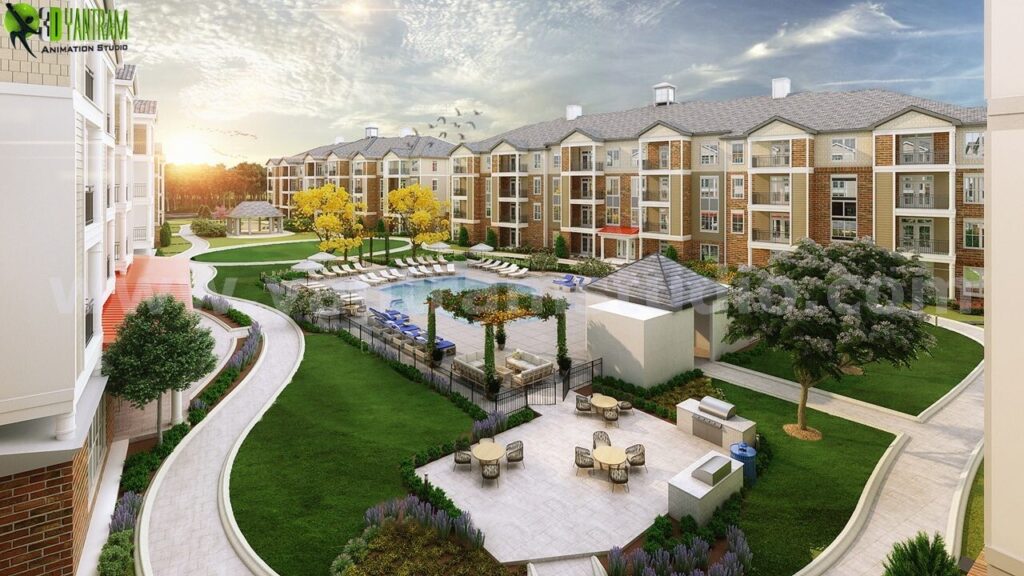
Residential projects often benefit the most from architectural rendering. For example, luxury apartment complexes are marketed years before they are built. Developers rely on 3D renderings to create brochures, advertisements, and interactive tours for potential buyers. These visuals showcase not only the buildings but also amenities like pools, gyms, and landscaped gardens. By providing a lifelike preview, renderings help secure buyer confidence early in the process.
Such renderings also allow interior designers to demonstrate furniture layouts, lighting effects, and material combinations. Buyers can explore how different finishes will look, giving them a personalized view of their future homes.
Commercial and Office Buildings
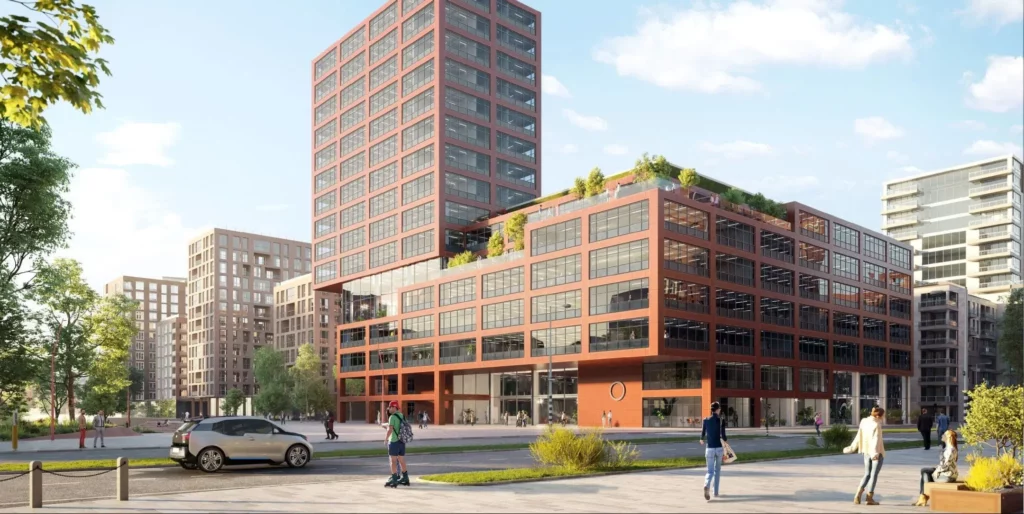
Commercial real estate, such as office towers and shopping centers, depends heavily on architectural rendering to attract investors and tenants. Renderings provide an opportunity to showcase the building’s design, location, and integration into its urban context.
In many cases, 3D visualizations highlight sustainable design features such as green rooftops, energy-efficient facades, and smart lighting systems. These renderings are not just about aesthetics but also communicate the long-term value and environmental responsibility of the project.
Cultural and Public Architecture
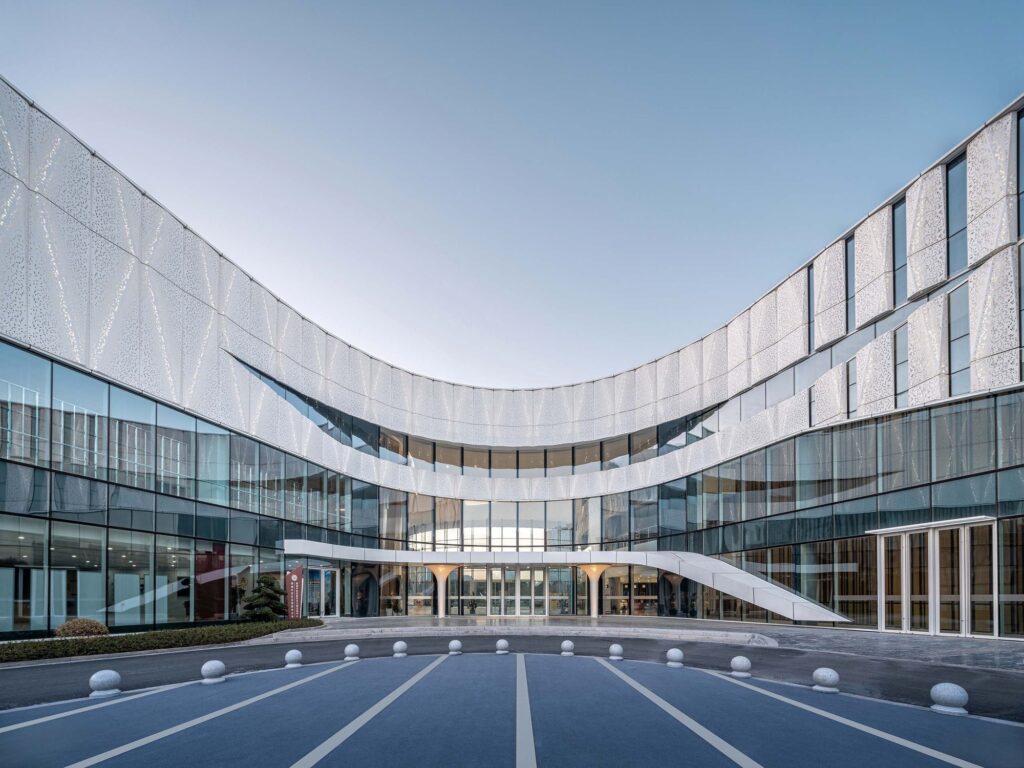
Public buildings like museums, libraries, and stadiums are complex projects that require strong community support. Renderings serve as powerful tools to convey the vision behind these cultural landmarks. They allow stakeholders to visualize how the building will serve its purpose while enhancing the city’s skyline.
For instance, museums often use renderings to depict how natural light interacts with exhibition spaces or how visitors will move through galleries. Such details are vital in gaining approvals, funding, and public trust.
Virtual Reality and Immersive Experiences
One of the latest advancements in architectural rendering is the use of virtual reality (VR) and augmented reality (AR). These technologies allow clients to step into a virtual version of their future buildings. With VR, clients can walk through hallways, experience room layouts, and even adjust finishes in real-time.
This level of immersion goes far beyond static images, offering clients a near-complete understanding of spatial relationships. For architects, it reduces miscommunication and ensures that design choices are fully understood before construction begins.
Practical Benefits of Architectural Rendering
Architectural rendering delivers practical advantages that extend beyond visualization. For project managers, it enhances planning by providing accurate models that can be integrated with construction schedules and cost estimates. This reduces delays and ensures smoother execution.
For clients, the benefit lies in confidence and satisfaction. Being able to see and experience a design beforehand reduces uncertainty and increases trust in the process. This not only strengthens relationships between architects and clients but also leads to better project outcomes.
From a sustainability perspective, rendering technology supports environmentally responsible design by allowing simulation of energy performance, daylight analysis, and material efficiency. This contributes to buildings that are not only beautiful but also eco-friendly.
Solving Real-World Problems
Architectural rendering solves several challenges faced in the design and construction industry. One of the biggest issues is client misinterpretation of traditional plans. With photorealistic visuals, clients can instantly grasp how a building will look and function.
Another common problem is the high cost of design changes once construction begins. By testing different options digitally, architects and clients can finalize decisions beforehand, saving both time and money.
Additionally, architectural rendering helps bridge cultural and linguistic gaps in international projects. Visual communication is universal, making it easier to align diverse stakeholders on a shared vision.
Conclusion
Architectural rendering has become an indispensable part of modern architecture, offering clarity, precision, and creativity in ways that were previously unimaginable. From residential projects to cultural landmarks, renderings bring designs to life and help ensure that visions become reality.
As technology continues to advance, the future of architectural rendering lies in immersive experiences, AI-driven design, and sustainable simulations, further transforming the way we design, build, and experience architecture.
FAQ
1. What is the main purpose of architectural rendering?
The main purpose of architectural rendering is to create realistic visuals of a design before it is built. This helps architects, clients, and developers understand and evaluate the project in detail, ensuring better communication and decision-making.
2. How does architectural rendering benefit real estate developers?
Real estate developers use architectural renderings to market unbuilt properties, attract investors, and give potential buyers a clear vision of the final product. This builds confidence and helps secure sales or leases in advance.
3. What technologies are used in modern architectural rendering?
Modern rendering relies on advanced 3D modeling software, rendering engines, and techniques like ray tracing, global illumination, and virtual reality. These technologies create lifelike, interactive experiences that enhance design accuracy and client engagement.