Charles Eames Home – History, Architecture, and Lasting Influence
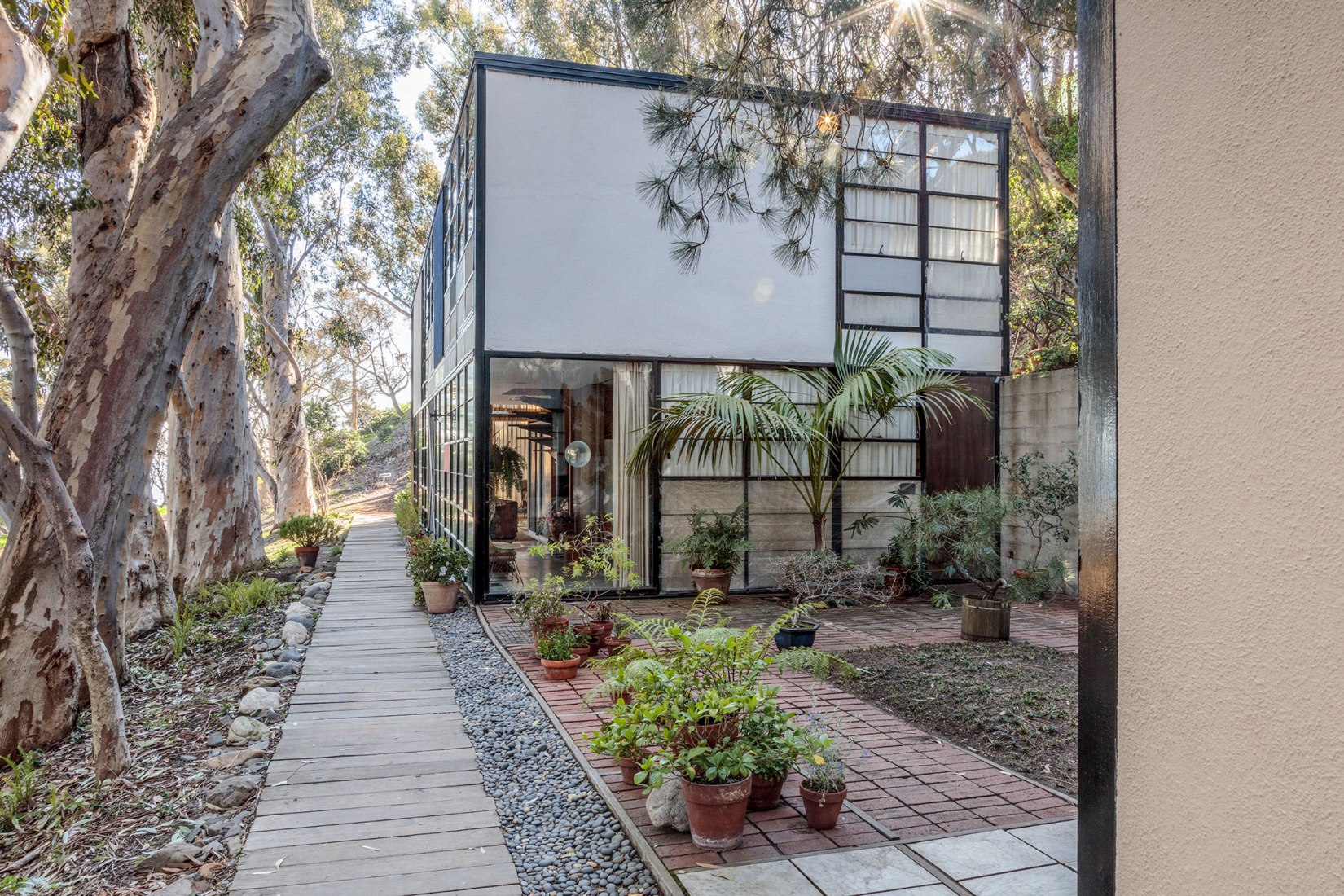
The Charles Eames Home, also known as the Eames House or Case Study House No. 8, is one of the most celebrated examples of mid-century modern architecture. Designed in 1949 by Charles and Ray Eames, the house was not just a residence but also a creative studio, embodying their philosophy of functionality, simplicity, and integration with nature.
Nestled in the Pacific Palisades of Los Angeles, the home became a living laboratory for modernist ideas. Its striking use of prefabricated materials, clean geometric forms, and seamless blending with the surrounding landscape turned it into an architectural landmark. Today, the house remains a source of inspiration for architects, designers, and enthusiasts of modern living.
Historical Background of the Charles Eames Home
The Eames House was part of the Case Study House Program, initiated by Arts & Architecture magazine after World War II. The program aimed to explore affordable and efficient modern housing solutions using industrial materials that had been developed during wartime.
Charles and Ray Eames envisioned their home as both a private residence and a working studio. The design emphasized a harmony between indoor and outdoor spaces, drawing heavily from the natural environment of the site. This approach was revolutionary for the time, moving away from traditional closed-off domestic architecture to something more open, transparent, and experimental.
Architectural Design of the Eames Home
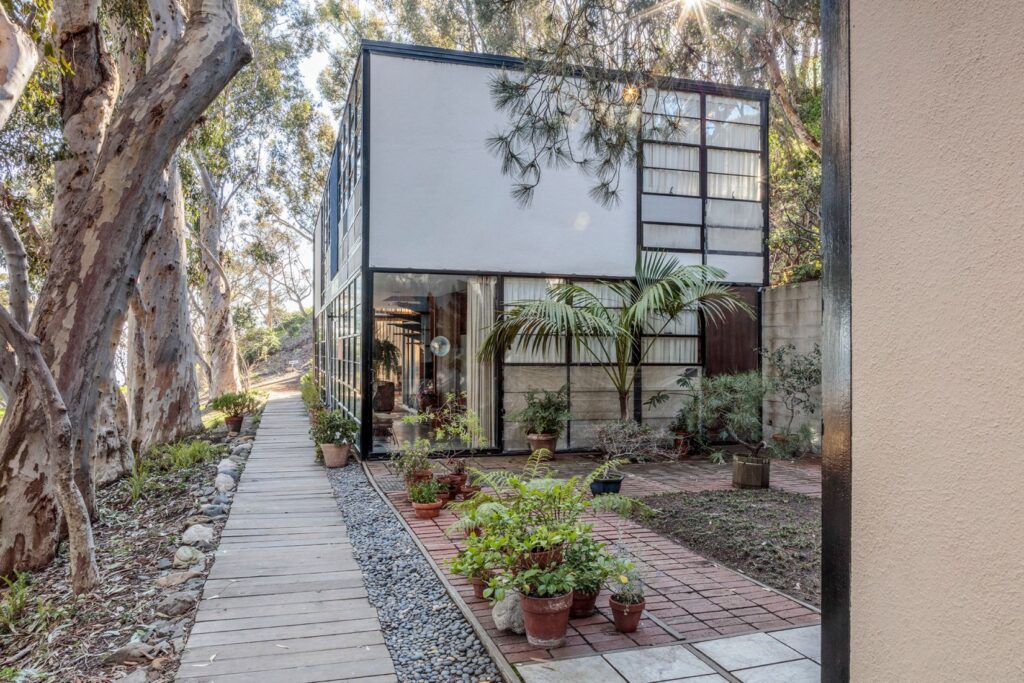
The design of the Charles Eames Home exemplifies modernist principles: simplicity, clarity, and the use of honest materials. Constructed primarily from prefabricated steel frames, glass panels, and industrial materials, the house represents a new way of thinking about architecture in the mid-20th century.
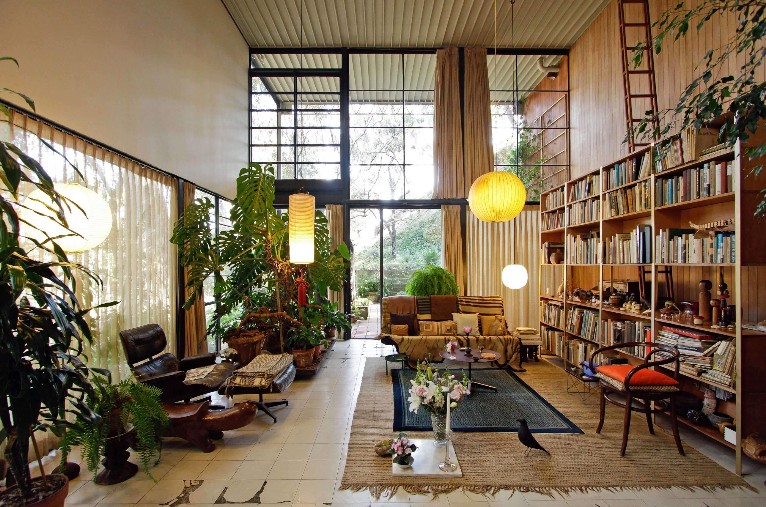
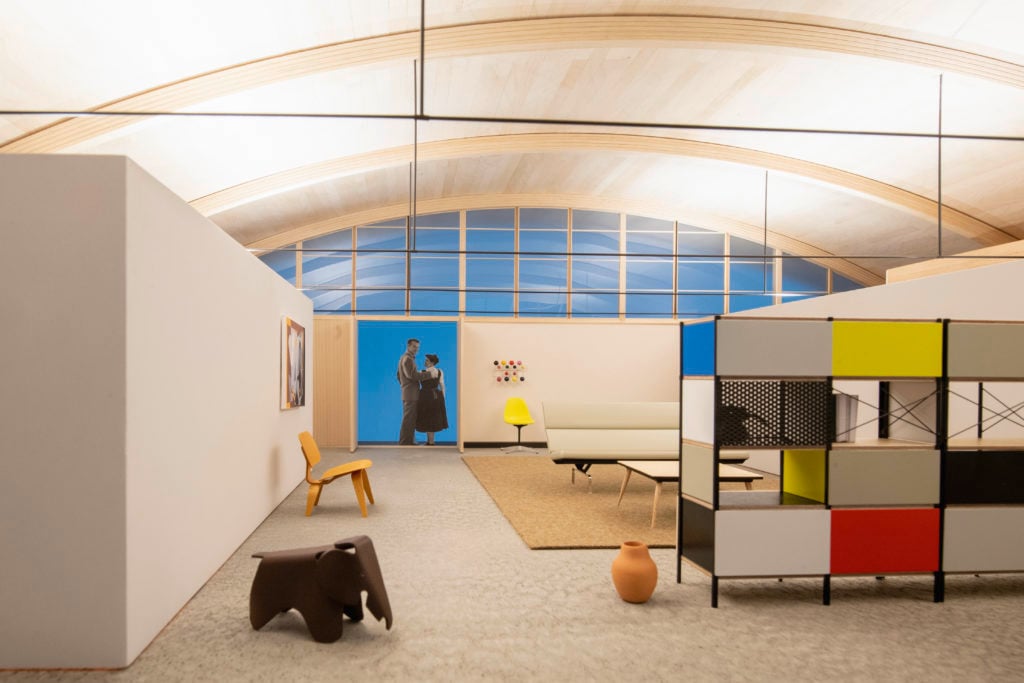
Inside, the home combines minimalist structural elements with warm, colorful interiors. The living space is not cold or sterile but filled with objects, textiles, and personal artifacts, reflecting the couple’s philosophy that modern design should also be comfortable and human-centered.
The Role of Technology in the Eames House
The Eameses were pioneers in using technology and prefabrication in residential architecture. The prefabricated steel frame system allowed for rapid construction and cost-effective solutions at a time when housing shortages were common. Glass was extensively used to blur the line between interior and exterior, creating a feeling of openness and constant dialogue with nature.
Additionally, their use of industrial materials once reserved for factories or warehouses challenged the norms of domestic construction. These technological innovations paved the way for future architects to explore prefabrication, modular building, and sustainable practices.
Real-World Examples Inspired by the Charles Eames Home
Case Study House Program Influence
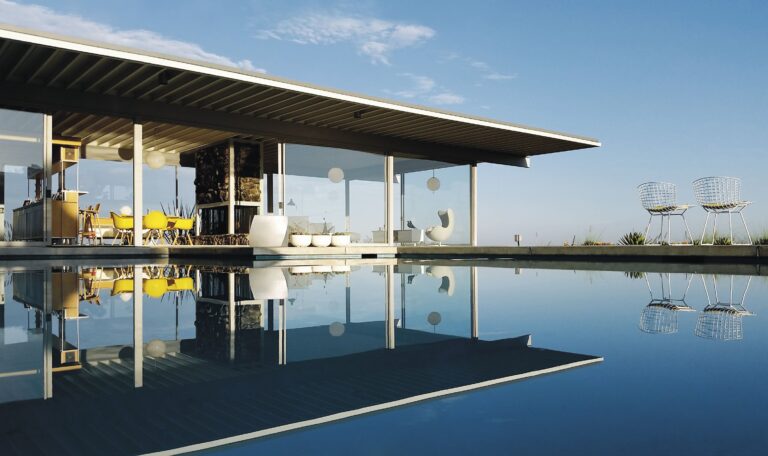
The Charles Eames Home became a cornerstone for the entire Case Study House Program. Other homes within the program, such as those designed by Pierre Koenig and Richard Neutra, were built upon the same ideas of prefabrication and functional modernism. Each of these houses carried forward the spirit of experimentation that the Eameses championed.
These homes demonstrated that industrial materials could create beauty and comfort, inspiring generations of architects and urban planners to consider affordable, innovative housing solutions.
The Eames Lounge Chair and Ottoman
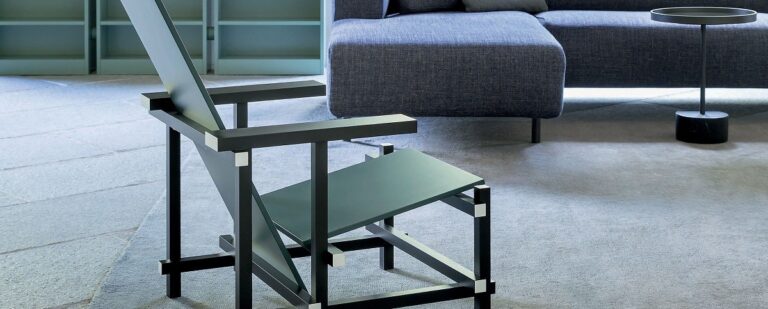
Although not physically part of the home, the Eames Lounge Chair and Ottoman were designed during the same period and embody the same principles of modernism and comfort. This furniture became an extension of their architectural philosophy—bringing modern technology, refined craftsmanship, and human-centered design into everyday life.
The Lounge Chair’s presence within the Eames House illustrates the seamless integration between architecture and furniture design, reinforcing the holistic vision of Charles and Ray.
Contemporary Prefabricated Homes
Modern prefabricated housing developments owe much to the innovations of the Eames Home. Today, companies designing modular homes often reference Case Study House No. 8 as a pioneering example. From compact urban dwellings to sustainable eco-homes, the influence of the Eameses can be seen in projects that prioritize affordability, efficiency, and environmental integration.
The Getty Conservation Project
Preservation efforts, such as the Getty Conservation Institute’s work on the Eames House, highlight the home’s enduring cultural significance. By applying cutting-edge conservation technologies, experts ensure that the house remains intact for future generations.
Benefits of Technological Innovation in the Eames Home
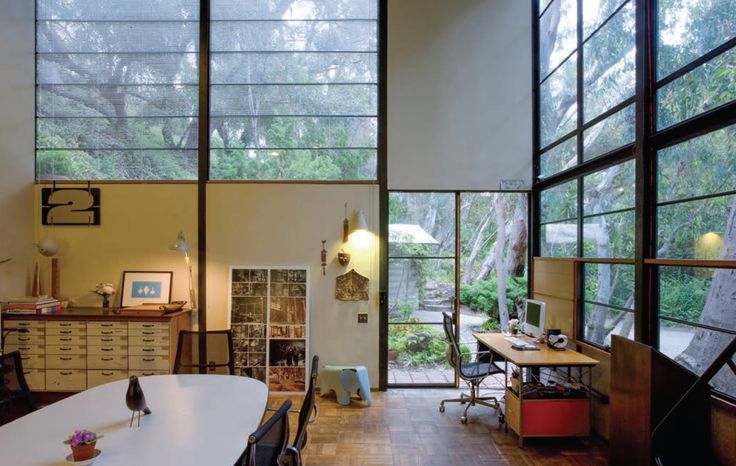
One of the greatest benefits of the Eames Home’s design is its ability to combine industrial innovation with human comfort. Prefabrication techniques reduced waste, construction time, and costs, challenges that remain relevant today.
The home also showcased how technology can enhance aesthetics rather than detract from them. Instead of hiding steel beams and glass panels, the Eameses highlighted them, celebrating their raw beauty. This honesty in material use has influenced generations of architects to design with transparency and integrity.
Use Cases and Practical Applications of the Eames Home Legacy
The Eames House is more than an architectural icon; it provides real solutions to modern-day challenges. For example, the principles of prefabrication and modularity are now used in disaster relief housing, where speed and efficiency are crucial.
In urban planning, the house inspires strategies for compact yet open living spaces, ideal for dense metropolitan areas where maximizing light and connection with nature is essential. The Eameses showed that homes do not need to be large to feel expansive; careful design and material choices can create both spaciousness and intimacy.
Additionally, the integration of furniture design, architecture, and everyday living creates a blueprint for holistic design approaches. Designers today draw from this philosophy when creating workspaces, schools, and homes that prioritize functionality, comfort, and human well-being.
FAQ
What is the Charles Eames Home also known as?
The Charles Eames Home is also referred to as the Eames House or Case Study House No. 8. It was built in 1949 as part of the Case Study House Program and remains one of the most influential examples of mid-century modern architecture.
Why is the Eames Home considered important in architectural history?
The house is significant becausecombinesined industrial prefabrication with warmth, comfort, and aesthetic beauty. It challenged traditional notions of domestic architecture and became a model for modernist living.
Can the public visit the Charles Eames Home today?
Yes, the house is preserved as a historic landmark and can be visited by the public. It stands as both a museum and a living example of Charles and Ray Eames’ design philosophy.