Eames House: Icon of Modern Architecture and Design Innovation
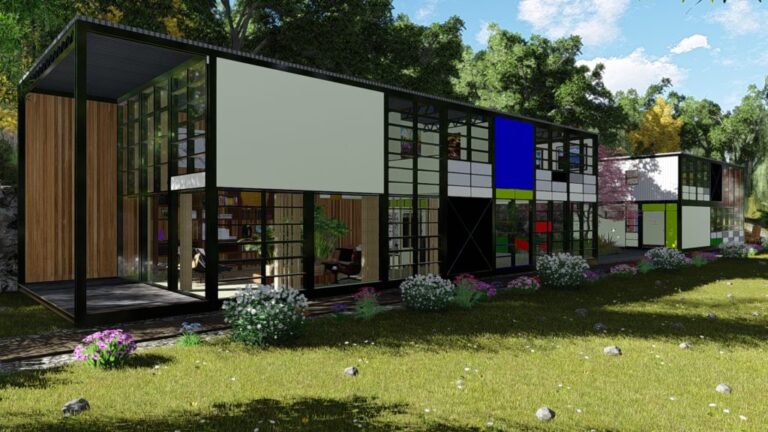
The Eames House, also known as Case Study House No. 8, is one of the most celebrated examples of modernist architecture in the United States. Built in 1949 in the Pacific Palisades neighborhood of Los Angeles, it was designed by the visionary husband-and-wife duo Charles and Ray Eames. More than just a home, the Eames House represents a new way of thinking about living spaces—flexible, functional, and seamlessly integrated with its natural environment.
This architectural masterpiece continues to inspire designers, architects, and homeowners worldwide. The Eames House is not just a preserved landmark; it is a living experiment in modern architecture that reflects the balance between design innovation and human comfort.
History and Context of the Eames House
The Eames House was part of the Case Study House Program, a post-World War II initiative sponsored by Arts & Architecture Magazine. The program challenged leading architects to design affordable, efficient, and modern homes using industrial materials and new construction techniques.
Charles and Ray Eames, already renowned for their innovative furniture designs, saw the project as an opportunity to extend their philosophy of “the best for the most for the least” into architecture. Instead of designing a monumental structure, they built a space that prioritized livability, adaptability, and harmony with nature.
Architectural Design and Features
Modernist Approach to Living Spaces
The Eames House was conceived as a modular structure, composed of prefabricated steel frames and panels. This approach reflected Charles and Ray’s interest in using mass-production techniques for design efficiency. The steel, glass, and concrete elements combined to form a light yet strong structure that redefined residential architecture.
Despite its industrial materials, the house feels warm and inviting. The use of colorful panels, carefully considered proportions, and an open interior layout created a space that was both functional and aesthetically pleasing.
Integration with Nature
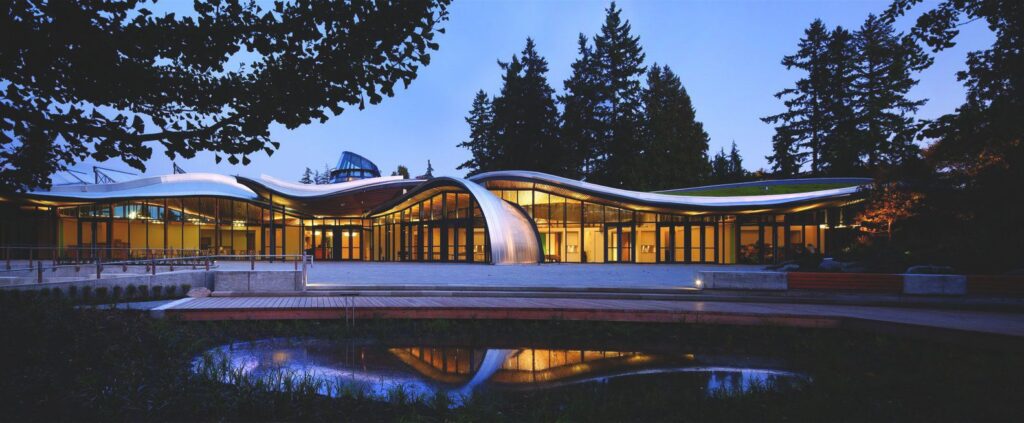
One of the most striking features of the Eames House is its seamless relationship with the environment. Large glass panels provide unobstructed views of the meadow, while natural light floods the interior. The structure was designed to blend into its setting rather than dominate it, a principle that has influenced countless sustainable architecture projects since.
Real-World Examples Influenced by the Eames House
The Stahl House in Los Angeles
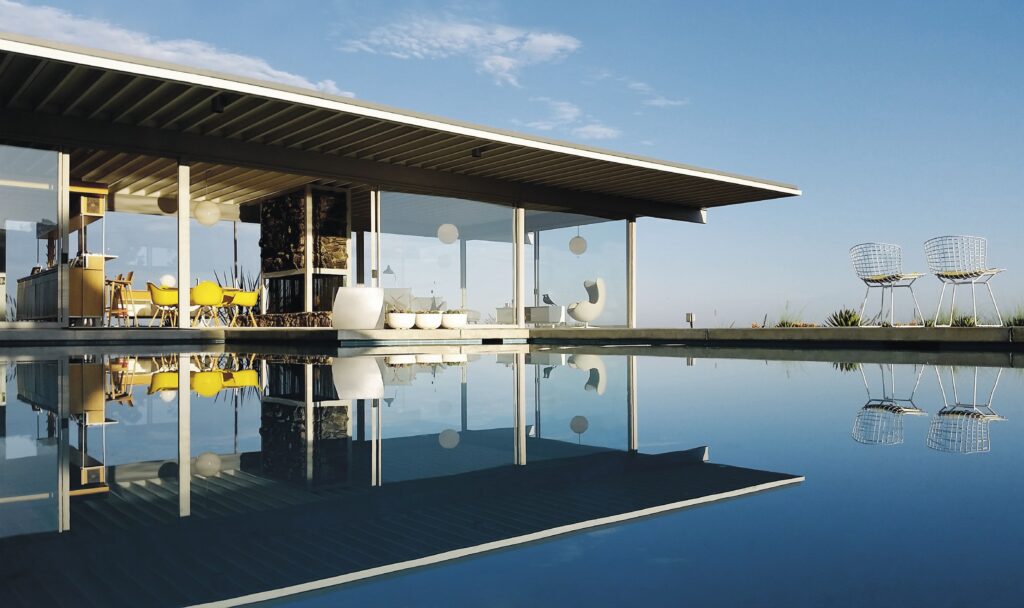
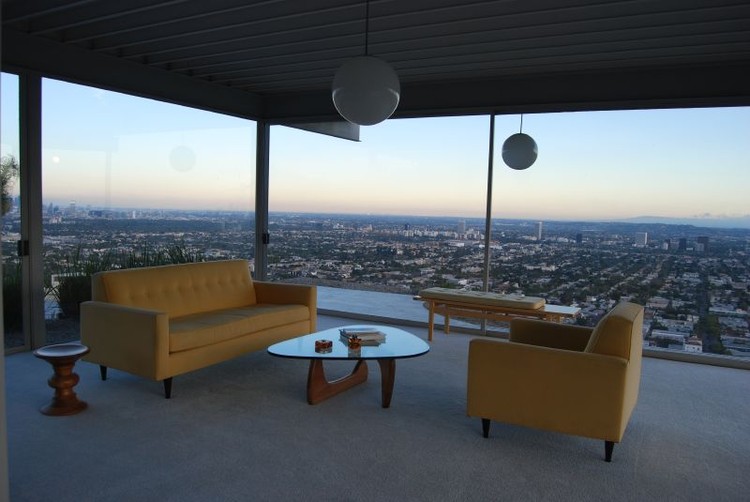
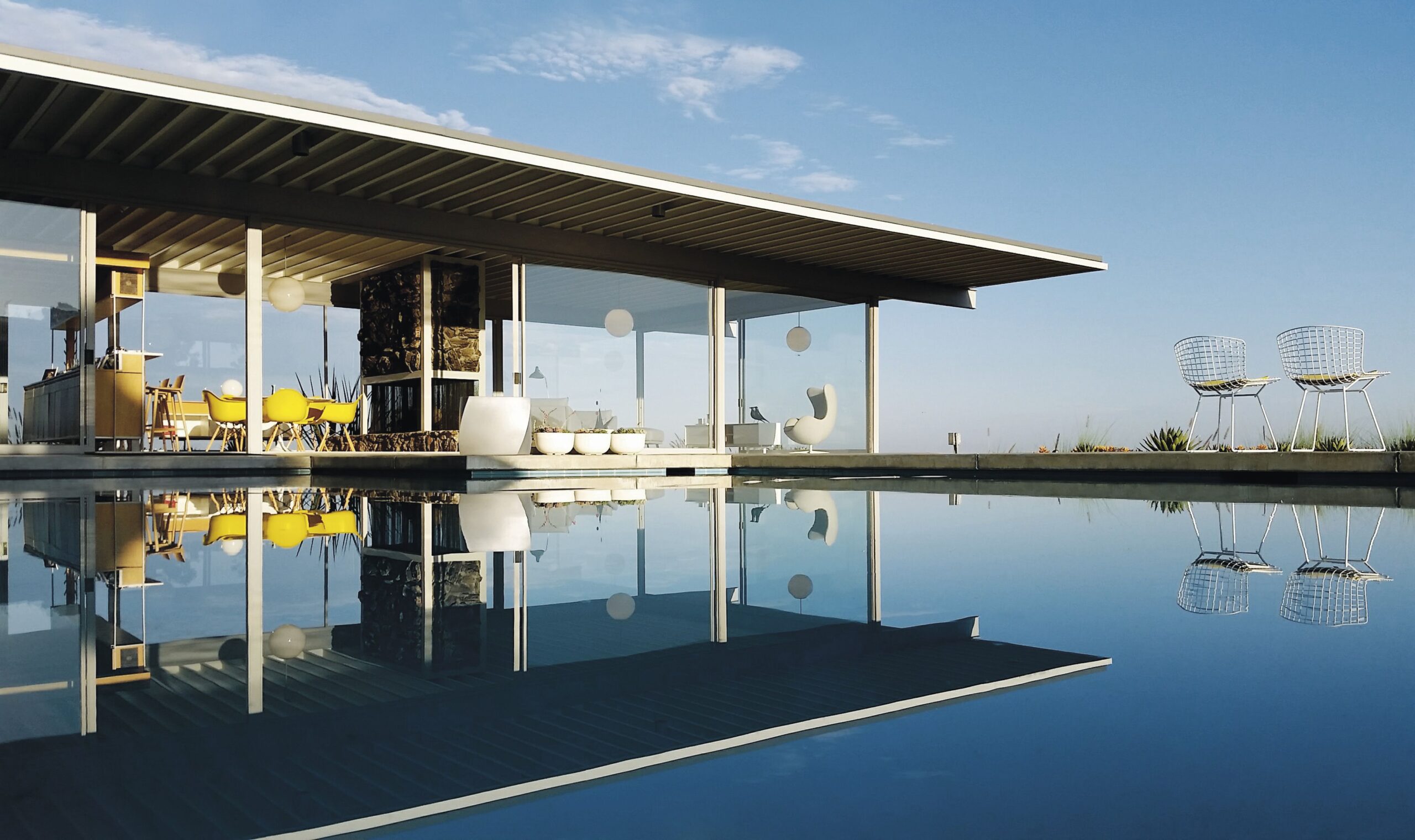
Designed by Pierre Koenig in 1959, the Stahl House (Case Study House No. 22) is often compared to the Eames House because of its shared origins in the Case Study program. While the Stahl House is perched dramatically over Los Angeles, its philosophy of openness and integration of interior and exterior spaces directly echoes the Eames House.
The relevance lies in how both homes embody the post-war optimism of American modernism. They demonstrate that homes could be elegant yet accessible, using industrial materials to craft human-centered spaces.
The Glass House by Philip Johnson
Completed in 1949, the same year as the Eames House, the Glass House in New Canaan, Connecticut, is another landmark of modern architecture. Its minimalist design, dominated by transparency and open views, aligns with the Eameses’ philosophy of blurring boundaries between indoors and outdoors.
The Lovell Health House by Richard Neutra
Built in 1929 in Los Angeles, the Lovell Health House predates the Eames House but served as an important precedent. Richard Neutra’s use of steel-frame construction to create a light-filled, open-plan residence foreshadowed the Eames’ design approach.
The Lovell Health House was groundbreaking in its focus on health, efficiency, and connection with the outdoors—values that Charles and Ray carried forward in their own project. By building upon these earlier modernist experiments, the Eames House achieved a balance of innovation and warmth.
Benefits of Technology in the Eames House
The Eames House illustrates how technology can enhance architecture without sacrificing comfort. Prefabrication was a central idea: steel components were mass-produced, transported to the site, and assembled efficiently. This not only reduced costs but also demonstrated how modern homes could be built quickly and affordably.
Another technological benefit lies in the use of glass as a structural and aesthetic element. Large panes of glass, enabled by advancements in manufacturing, created light-filled spaces that connected people to their environment.
Use Cases and Practical Applications
Inspiring Sustainable Architecture
One key problem the Eames House helps solve is how to build eco-conscious homes that respect their natural surroundings. By minimizing disruption to the landscape and maximizing natural light, the design shows how modern architecture can align with environmental values.
Flexible Living Spaces
The modular and open-plan interior demonstrates how architecture can adapt to evolving human needs. Today, as families demand more flexible work-from-home and multifunctional spaces, the Eames House stands as an early example of adaptable design principles.
Democratization of Design
The Eames House reflects the belief that good design should be accessible. Its reliance on prefabricated, affordable materials set the stage for modern housing solutions that prioritize both efficiency and beauty. This principle continues to guide architects seeking to solve global housing challenges.
FAQs about the Eames House
1. What is the significance of the Eames House in modern architecture?
The Eames House is significant because it represents a new vision of residential design that emphasized affordability, adaptability, and harmony with nature. It became a defining project of the Case Study House program and influenced generations of architects worldwide.
2. Can visitors tour the Eames House today?
Yes, the Eames House is preserved as a historic landmark and cultural site in Los Angeles. It is managed by the Eames Foundation, which offers guided visits and special programs to educate the public about Charles and Ray’s legacy.
3. How did the Eames House influence furniture and interior design?
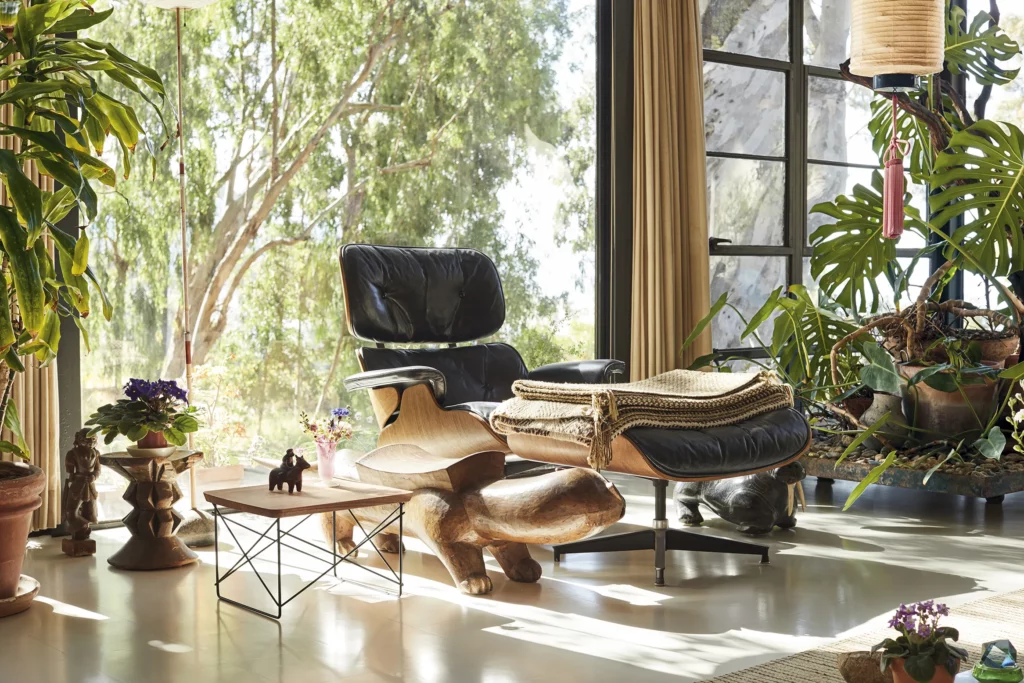
Charles and Ray Eames applied the same principles of functionality, innovation, and comfort in both their architecture and furniture. The Eames House became a living laboratory for their design philosophy, showcasing how objects and spaces could coexist in harmony.