La Eames House: History, Design, and Architectural Legacy of the Iconic Modernist Home
La Eames House, also known as Case Study House #8, is one of the most influential modernist residences in the world. Designed by Charles and Ray Eames in 1949, this home is located in the Pacific Palisades neighborhood of Los Angeles, California. It was part of the larger Case Study House program initiated by Arts & Architecture magazine, which encouraged architects to design affordable, efficient, and innovative homes for the postwar era.
The Eames House not only became a personal residence and studio for the Eameses but also a physical embodiment of their design philosophy. Its clean lines, prefabricated materials, and seamless integration with nature made it a landmark in modernist architecture.
The History Behind La Eames House
The idea for the Eames House originated from the Case Study House program, which launched in 1945. The program aimed to address the post-World War II housing shortage by encouraging architects to experiment with prefabrication, modular components, and modern building materials.
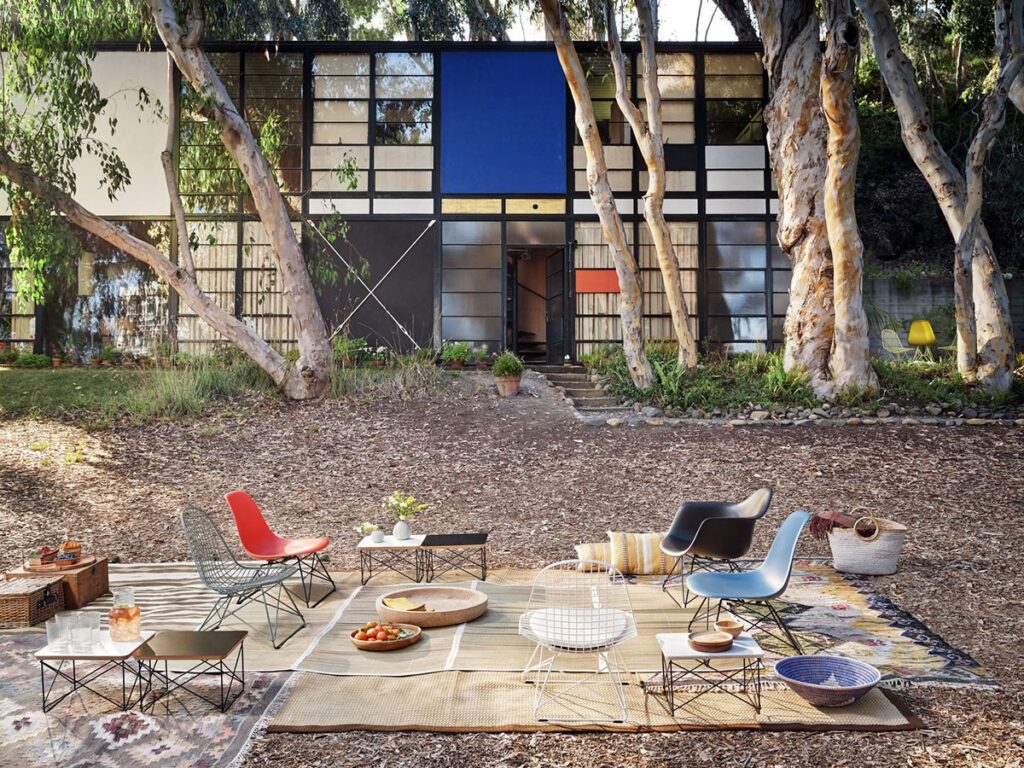
Charles and Ray Eames initially planned for the house to sit atop a meadow overlooking the Pacific Ocean. However, they revised the plan to preserve the meadow and instead positioned the house discreetly among eucalyptus trees. This choice reflected their sensitivity to the natural landscape and foreshadowed the growing interest in sustainability within architecture.
Over time, La Eames House became not just a residence but also a cultural hub. The Eameses used the space to create films, furniture, and design projects, turning their home into a living laboratory of ideas.
Architectural Design of La Eames House
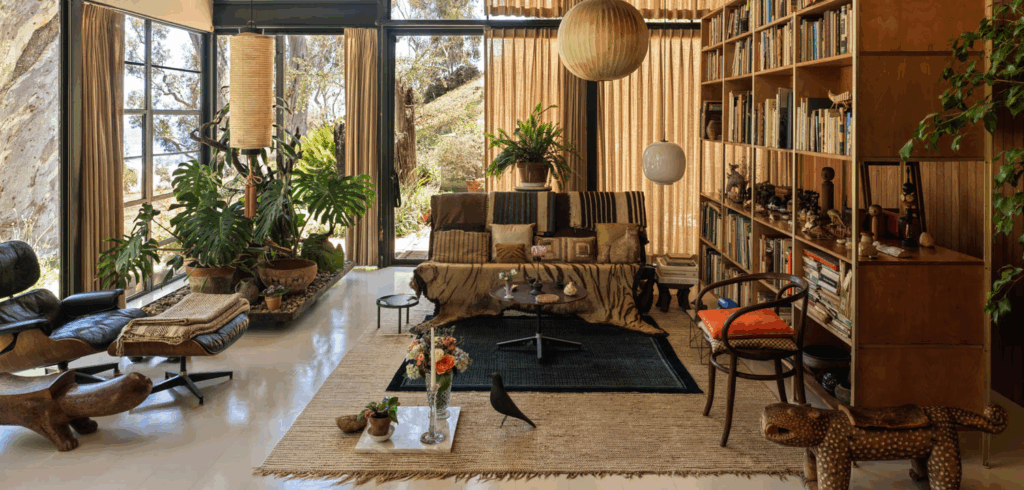
The design of La Eames House is a hallmark of modernist principles: modularity, simplicity, and functionality. Built from prefabricated industrial materials like steel frames and glass panels, the home achieved an efficient construction process while delivering a striking aesthetic.
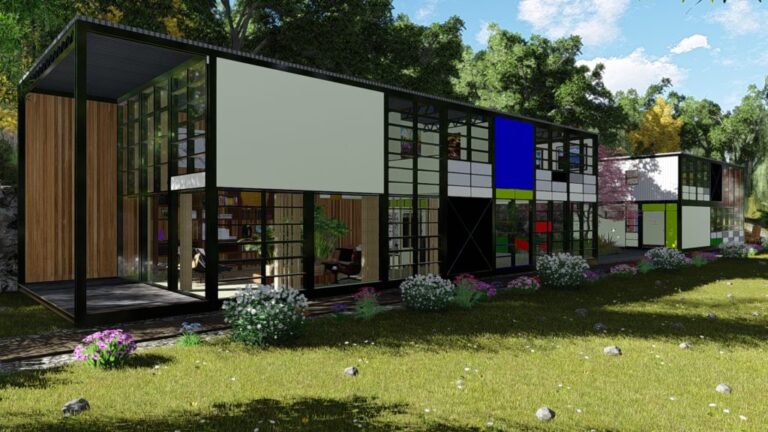
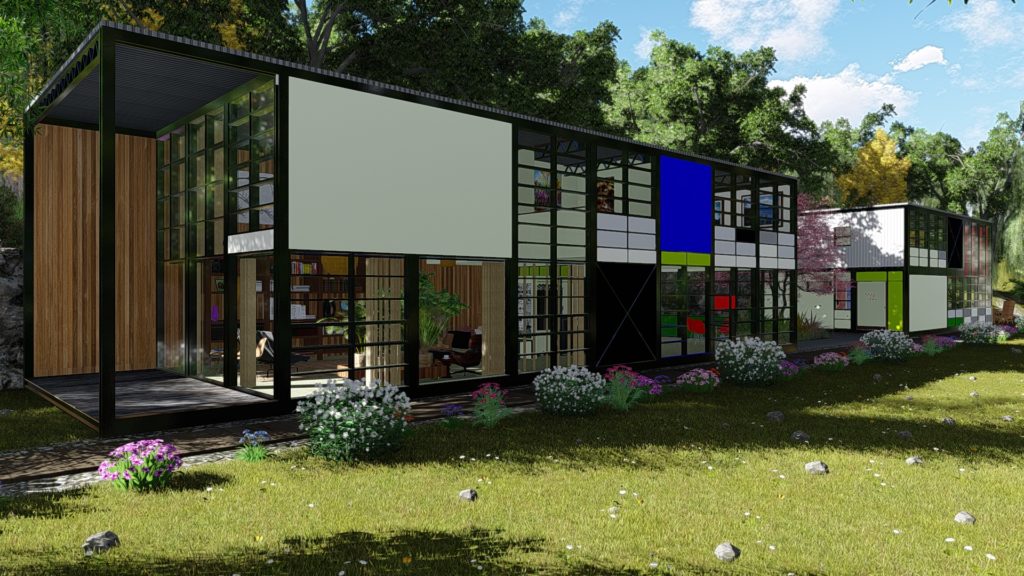
The structure is divided into two rectangular volumes: one serves as the living quarters and the other as a studio. The façades alternate between glass, colored panels, and steel frames, creating a rhythm of transparency and opacity. This interplay allows the house to feel both intimate and expansive, with the landscape forming an essential part of the living experience.
The Role of Technology in La Eames House
At the time of its construction, La Eames House represented cutting-edge use of industrial technology in residential design. The steel frames and modular panels were originally intended for mass housing production, but the Eameses used them in a highly creative way to craft a one-of-a-kind residence.
Prefabrication allowed for speed and precision in construction. The Eames House was assembled in just a few days, a remarkable feat that demonstrated the potential of technology to revolutionize homebuilding. Furthermore, the integration of glass panels maximized natural light and reduced reliance on artificial lighting—a sustainable principle that remains highly relevant today.
This combination of industrial efficiency and artistic creativity made La Eames House a model of how technology can be harnessed for human-centered design.
Real-World Examples of Eames Design Legacy
Eames Lounge Chair and Ottoman
One of the most famous products to emerge from the Eameses’ design practice is the Eames Lounge Chair and Ottoman (1956). Inspired by the traditional English club chair, this piece combines luxury and comfort with modernist simplicity. Its molded plywood shell and supple leather upholstery make it an enduring symbol of modern design.
The chair reflects the same philosophy found in La Eames House: using industrial techniques to create objects that enhance everyday living. It remains a benchmark for furniture design worldwide.
Eames Molded Plywood Chair
Dubbed the “chair of the century” by Time magazine, the Eames Molded Plywood Chair was another groundbreaking creation. It applied the principles of experimentation with bent plywood—techniques the Eameses refined during World War II when designing leg splints for the U.S. Navy.
Like the Eames House, the Molded Plywood Chair demonstrates the Eameses’ ability to translate industrial methods into human-centered design solutions. Its lightweight, ergonomic form shows how technology and craftsmanship can merge seamlessly.
Eames Films and Multimedia Work
Beyond architecture and furniture, Charles and Ray Eames also used La Eames House as a studio for multimedia projects. Their short films, such as Powers of Ten (1977), explored themes of scale, perception, and scientific understanding.
These projects highlight the versatility of the Eameses’ vision. Just as the Eames House redefined domestic architecture, their films expanded design thinking into education and communication. The integration of design with technology continues to influence filmmakers, educators, and scientists today.
Eames Storage Unit (ESU)
The Eames Storage Unit (1950) reflects the modular aesthetic of the Eames House itself. Built from prefabricated materials like steel frames and plywood panels, it could be easily assembled and customized for different needs.
This design anticipated the demand for adaptable, modular furniture in modern living spaces. Its playful use of color and industrial materials mirrors the architectural identity of La Eames House, bridging the gap between home design and interior furnishings.
Benefits of Modernist Design in La Eames House
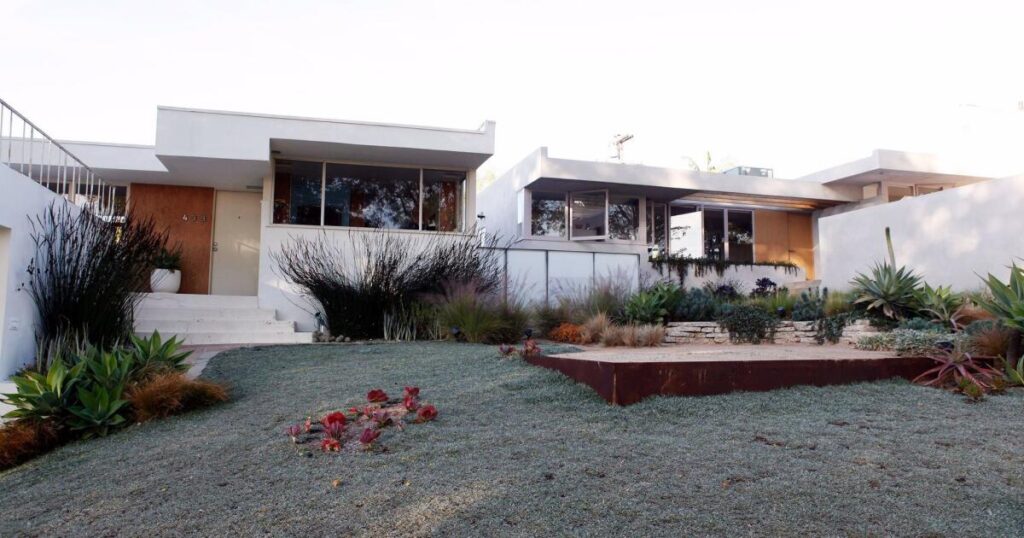
La Eames House is a shining example of how modernist design principles can improve the quality of life. Its open floor plan encourages social interaction and flexibility, while its expansive glass walls foster a strong connection with nature.
The use of prefabricated materials ensured not only cost efficiency but also environmental sensitivity. By positioning the house in harmony with its surroundings, Charles and Ray Eames demonstrated a respect for the landscape that continues to resonate in today’s sustainable design practices.
Use Cases and Real-Life Applications
La Eames House provides practical insights into solving real-world challenges in architecture and design. For example, its modular construction techniques offer lessons for addressing housing shortages today. Prefabrication can reduce costs and construction time while ensuring high quality.
Conclusion
La Eames House is far more than a modernist residence in Los Angeless it is a living symbol of Charles and Ray Eames’ philosophy of design. From its innovative use of prefabricated materials to its harmonious relationship with nature, the house remains a blueprint for integrating technology, sustainability, and beauty.
Its legacy lives on not only in architecture but also in furniture design, multimedia, and educational projects. By studying La Eames House, we gain insight into how thoughtful design can improve lives and inspire future generations.
FAQ
1. Where is La Eames House located?
La Eames House is located in Pacific Palisades, Los Angeles, California. It is situated on a bluff overlooking the Pacific Ocean and is surrounded by eucalyptus trees.
2. Why is La Eames House significant in architecture?
The house is significant because it embodies modernist design principles, including prefabrication, modularity, and integration with nature. It was part of the Case Study House program and remains an influential model of postwar residential architecture.
3. Can visitors tour La Eames House today?
Yes, the Eames House is open to the public through guided tours organized by the Eames Foundation. Visitors can explore the residence and learn about the Eameses’ design philosophy, though access is often limited to preserve the integrity of the site.