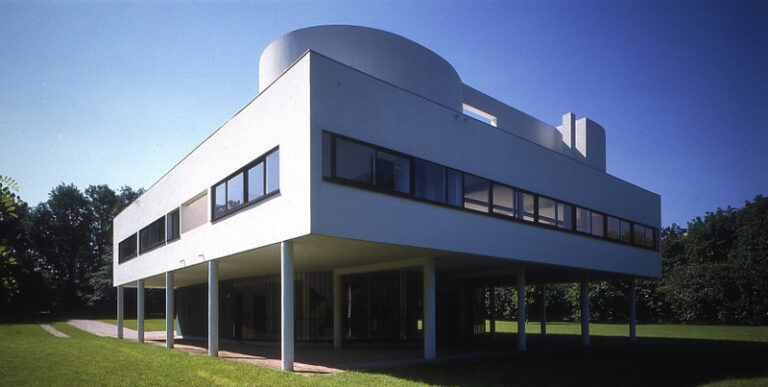
Schroder House Location: History, Architecture, and Cultural Significance
The Schroder House location in Utrecht, Netherlands, is not just a physical address; it is a landmark of modern architecture and a symbol of the De Stijl movement. Designed in 1924 by Gerrit Rietveld in collaboration with Truus Schröder, this UNESCO World Heritage site continues to fascinate architects, historians, and visitors from around the world. Understanding its location, surrounding environment, and the historical context of where it was built gives us deeper insights into why the Schroder House is considered one of the most influential architectural achievements of the 20th century.
Understanding the Schroder House Location
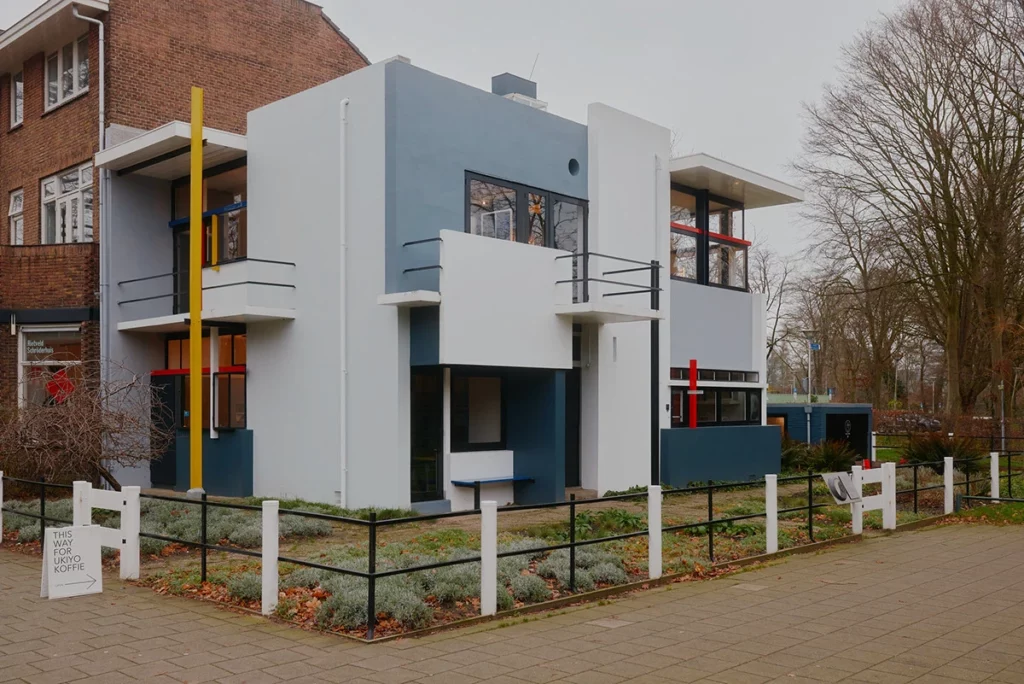
The Schroder House is located in Utrecht, Netherlands, at Prins Hendriklaan 50. What makes this location so significant is not just its physical placement but its contrast to its surrounding environment at the time it was built. In 1924, the area around the site was on the edge of the city, bordering open fields. This offered a sense of freedom and experimentation, which aligned perfectly with the radical ideals of modernist architecture and the De Stijl artistic movement.
Today, Utrecht has grown and urbanized significantly, meaning the house now sits within a more developed neighborhood. Still, it retains its aura as a unique structure, standing out amidst conventional homes for its geometric form, bold use of lines, and striking colors of red, blue, yellow, black, and white. The location demonstrates how the house was intended to serve as both a dwelling and a manifesto of new architectural thinking.
Historical Context of the Location
The early 20th century was a period of dramatic shifts in art and architecture. The Schroder House was constructed during a time when urban expansion in Utrecht was reshaping the boundaries between city and countryside. The chosen location deliberately allowed Rietveld and Schröder to build outside the constraints of traditional city housing regulations, allowing them to experiment freely.
Truus Schröder, who commissioned the house, was deeply invested in creating a home that embodied freedom, openness, and modern living. The location, at the edge of the city overlooking green fields, was perfect for translating these ideals into physical form. Although urban development has since enveloped the site, the essence of this historical positioning remains a vital part of the house’s identity.
Architectural Features Influenced by Its Location
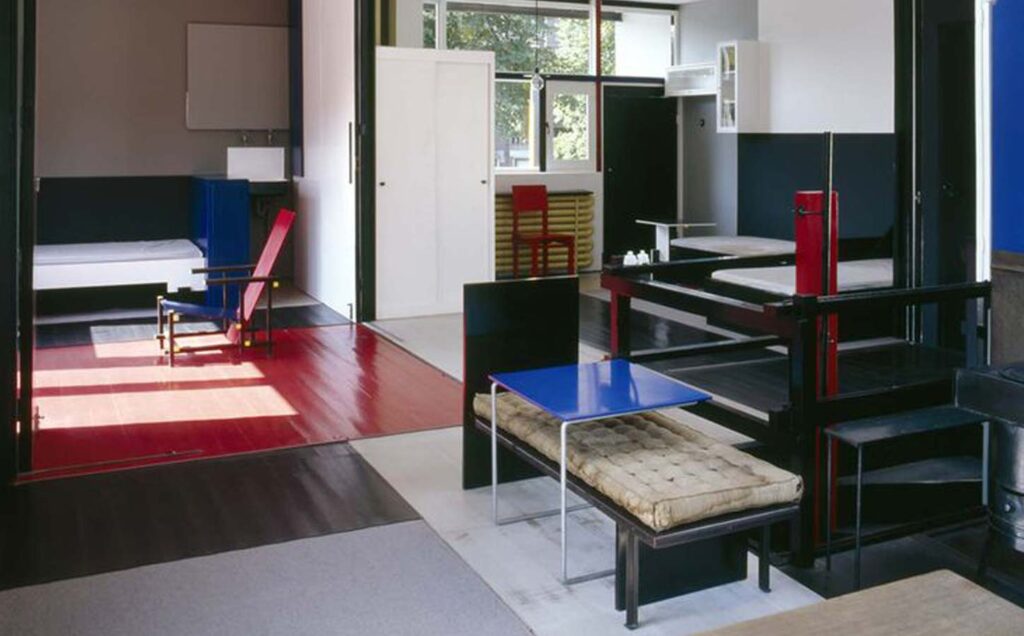
The Schroder House’s location shaped several of its architectural features. For example, the openness of the surrounding landscape influenced the design of its flexible interior spaces and wide windows. The house was built with movable partitions that allowed the interior to be reconfigured, reflecting both the freedom of its physical surroundings and the progressive ideals of its occupants.
Additionally, the orientation of the house maximized natural light, an essential element of De Stijl design. Situated in Utrecht, where seasonal light variations are significant, the large windows and open-plan layout helped create a balance between indoor living and the external environment. The house’s location and setting thus directly shaped its architectural innovations.
Real-World Examples Related to the Schroder House
Villa Savoye, France
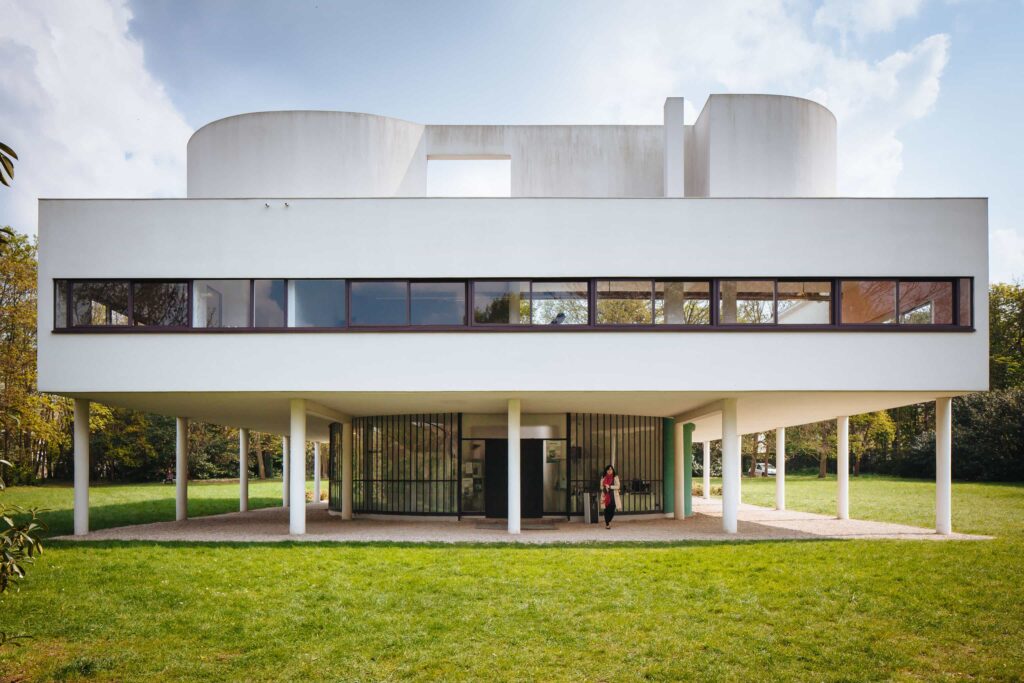
The Villa Savoye, designed by Le Corbusier and located in Poissy, France, shares similarities with the Schroder House in its relationship with location. Like the Schroder House, Villa Savoye was built outside the traditional city center, in a semi-rural setting. This freedom allowed Le Corbusier to design a structure that broke away from tradition, emphasizing openness, light, and integration with its surroundings. Both examples highlight how location influences modernist design choices and helps create groundbreaking architectural works.
Fallingwater, Pennsylvania, USA
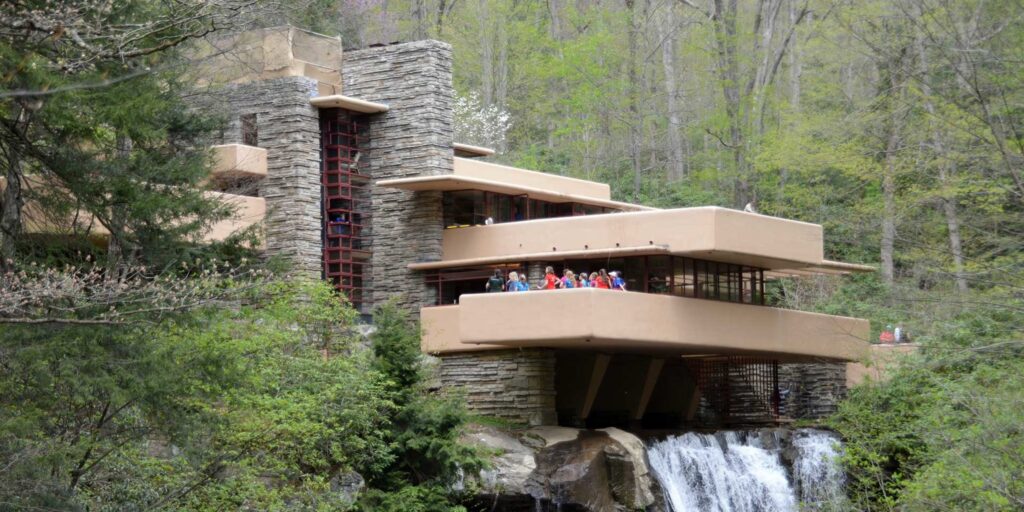
Frank Lloyd Wright’s Fallingwater, built in Pennsylvania, is another example where location played a defining role. Constructed directly over a waterfall, the house is inseparable from its natural environment. Similarly, the Schroder House, though not integrated into nature in the same way, used its edge-of-city location to challenge conventional urban housing norms. Both structures demonstrate how location is not just a backdrop but a central feature of architectural expression.
Tugendhat Villa, Czech Republic
The Tugendhat Villa in Brno, designed by Ludwig Mies van der Rohe, illustrates another parallel. Built on a hillside with sweeping views, its location influenced the use of large glass panels and open spaces. Both houses underline the importance of context and location in shaping architectural innovation.
Benefits of Studying the Schroder House Location
Understanding the Schroder House location provides several key benefits for architects, students, and cultural historians.
Firstly, it highlights the importance of context in architectural design. By analyzing how the house interacts with its surroundings, we learn how location influences form, function, and symbolism. This inspires modern architects designing buildings in diverse environments.
Secondly, studying the location gives insights into urban development over time. The transition of the Schroder House from a boundary-edge property to being part of an urban neighborhood mirrors larger trends in how cities expand and incorporate radical designs into their fabric.
Finally, the house’s location as a UNESCO World Heritage site makes it a focal point for cultural tourism. Visitors come to Utrecht not only to see the house itself but also to experience its setting, which adds depth to their understanding of modern architecture.
Use Cases of Understanding Location in Architecture
The study of the Schroder House location helps solve real-world challenges in architecture and urban planning. For example, modern architects working on projects at city edges can learn from how Rietveld and Schröder used their site to balance openness and functionality.
Another use case lies in architectural education. Students studying the Schroder House’s location gain not only design insights but also lessons in history, culture, and the relationship between environment and structure. These lessons are crucial in developing holistic approaches to modern architecture.
Cultural and Educational Value of the Schroder House Location
As part of Utrecht’s cultural landscape, the Schroder House location carries immense educational value. Universities and design institutions often use it as a case study in courses on modern architecture and design theory. Culturally, the house’s location symbolizes the Netherlands’ role in shaping modern art and architecture. It serves as a reminder of the country’s contribution to global design history and continues to attract thousands of visitors each year. Its presence in Utrecht strengthens the city’s identity as a hub of innovation and creativity.
Frequently Asked Questions
1. Where is the Schroder House located?
The Schroder House is located in Utrecht, Netherlands, at Prins Hendriklaan 50. Originally built on the outskirts of the city in 1924, it is now part of an urbanized neighborhood but remains a UNESCO World Heritage site.
2. Why is the location of the Schroder House important?
The location was crucial because it allowed architect Gerrit Rietveld and Truus Schröder to design outside conventional urban constraints. Its position on the city’s edge provided openness and freedom, which shaped its unique design and flexible interior spaces.
3. Can visitors explore the Schroder House today?
Yes, the Schroder House is open to the public as a museum. Visitors can explore its interior, learn about its design, and experience how its location contributes to its architectural and cultural significance.