Modern Shop Front: Designs, Innovations, and Benefits for Contemporary Businesses
A modern shop front is more than just an entryway; it is the visual identity of a business, the first impression that customers encounter, and an integral part of branding. With the evolution of architecture and retail competition, modern shop fronts now combine functionality, aesthetics, and technology to attract customers and improve business visibility. This article explores the concept of modern shop fronts, their design features, real-world examples, technological benefits, and practical applications for businesses in today’s competitive landscape.
Understanding the Concept of a Modern Shop Front
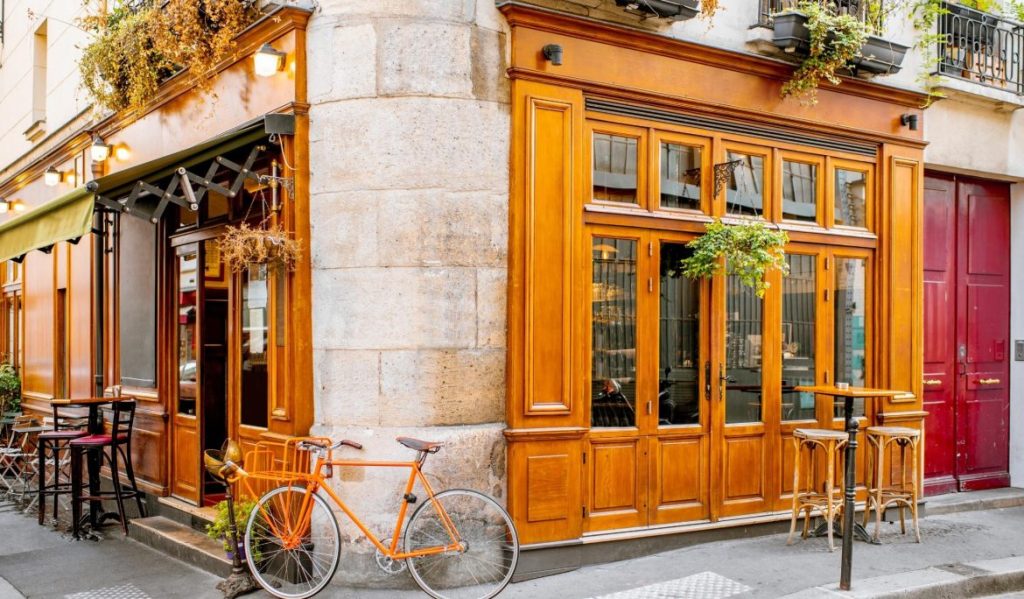
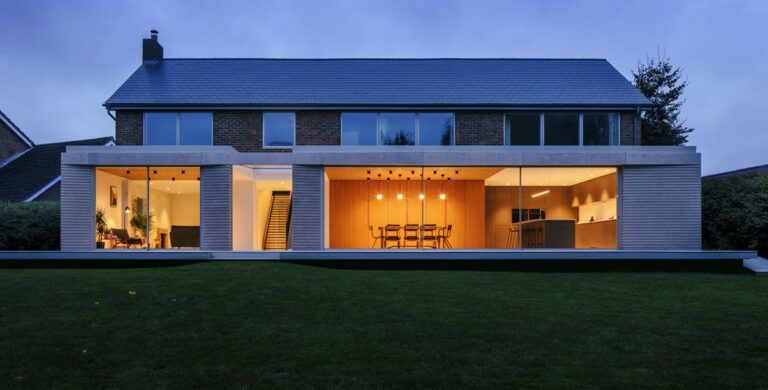
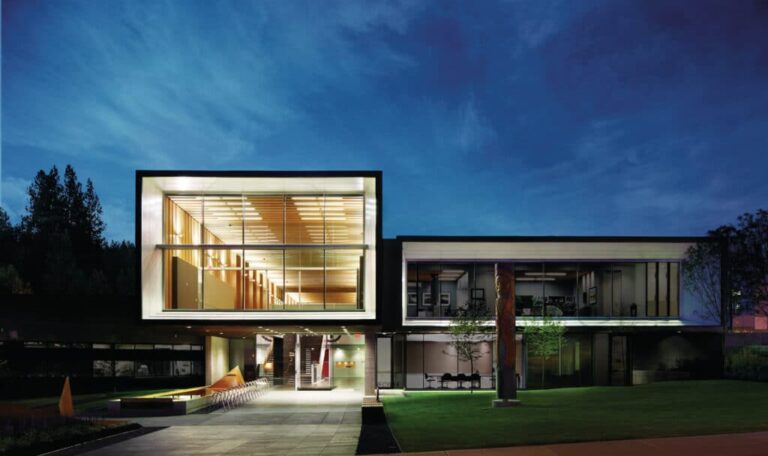
A modern shop front refers to the architectural design and construction of a storefront that reflects contemporary style, innovation, and branding. Unlike traditional shop fronts that often use wooden frames or heavy ornamentation, modern designs prioritize sleek materials like glass, aluminum, and steel. These materials not only provide durability but also allow for a more open and inviting look.
The purpose of a modern shop front extends beyond aesthetics. It serves as a marketing tool that influences customer perception and foot traffic. Businesses today understand that a well-designed shop front is a silent salesperson, communicating trust, professionalism, and brand identity even before a customer steps inside.
Key Features of Modern Shop Fronts
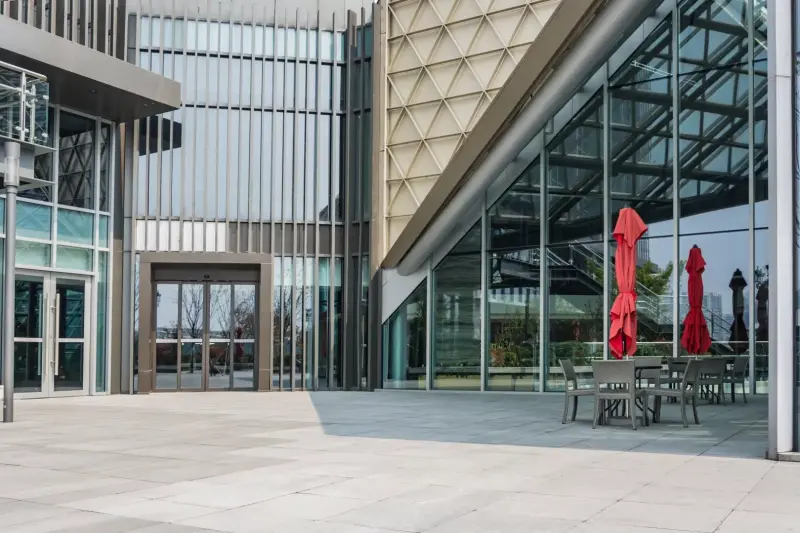
Modern shop fronts share several defining characteristics that make them suitable for today’s commercial environments.
- Use of Glass and Transparency: Large glass panels allow passersby to see the interior, creating openness and encouraging impulse visits.
- Minimalist Designs: Clean lines, smooth finishes, and neutral color palettes create a timeless and sophisticated appearance.
- Illuminated Signage: LED lighting integrated into shop fronts ensures visibility day and night.
- Durable Materials: Aluminum and tempered glass are common choices for their strength, safety, and low maintenance.
- Brand Integration: Shop fronts are tailored to reflect brand colors, logos, and design language.
These features combine to create shop fronts that are not only visually appealing but also functional for long-term business growth.
Real-World Examples of Modern Shop Fronts
Apple Store – The Glass Box Design
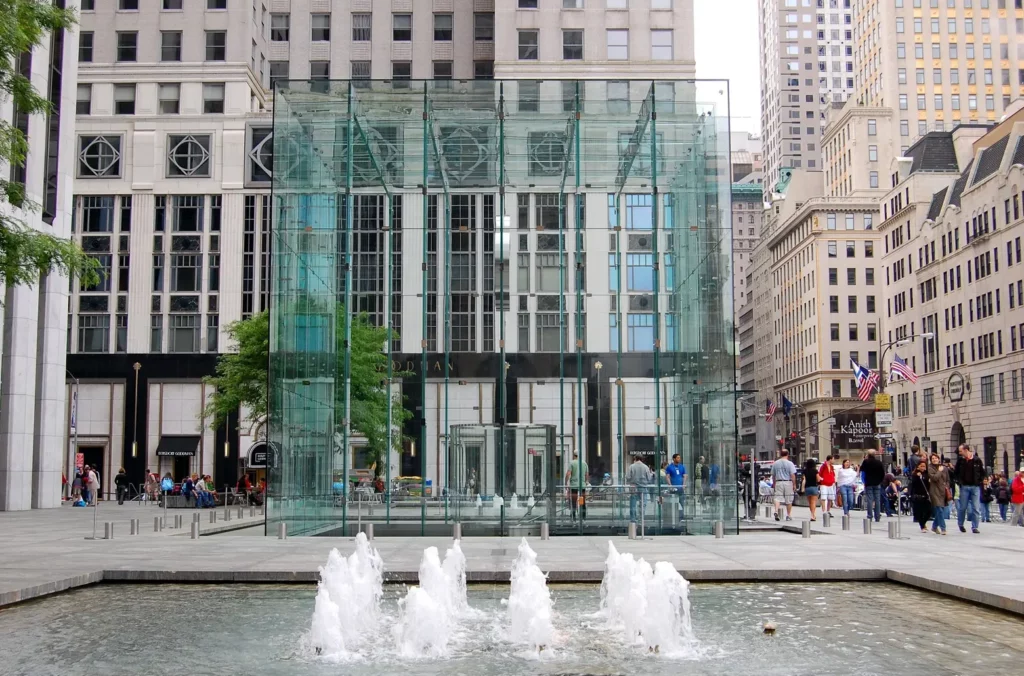
Apple is renowned for its striking modern shop fronts, particularly the glass cube in New York. This design uses massive glass panels to create a seamless facade that instantly communicates transparency, innovation, and simplicity. It serves as a perfect example of how modern shop fronts can transform into architectural icons, drawing customers and enhancing brand image.
Starbucks – Inviting and Sustainable Fronts
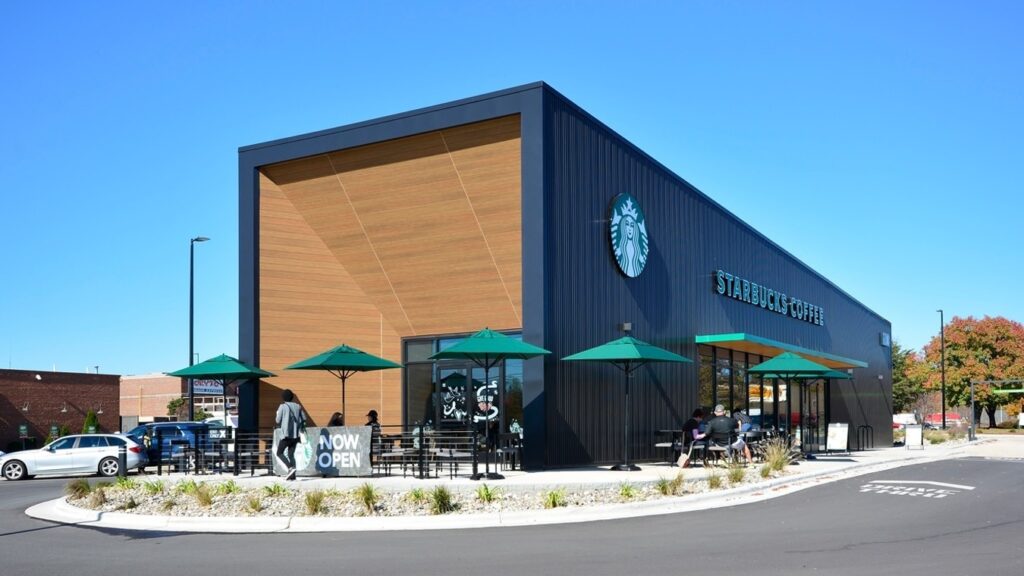
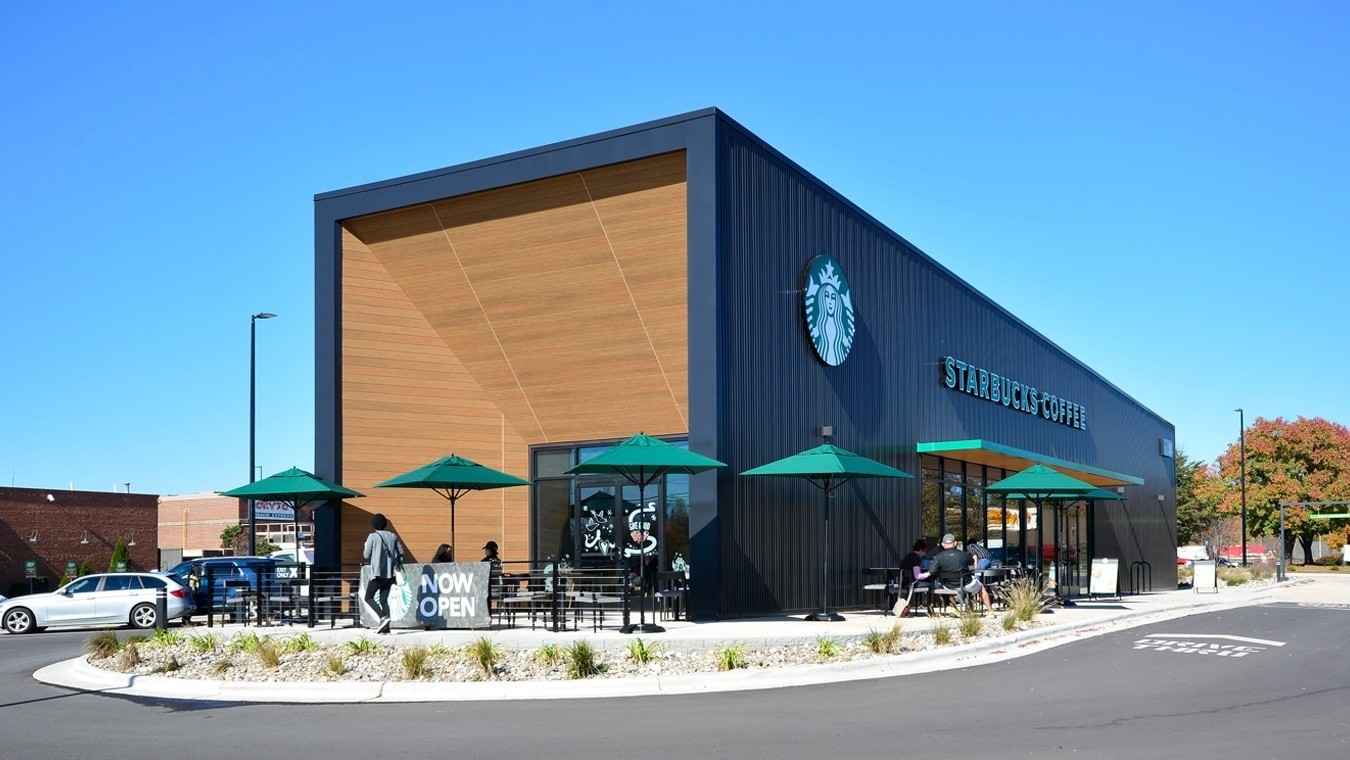
Starbucks often integrates eco-friendly elements into its modern shop fronts. The combination of glass and natural wood creates warmth and sustainability while maintaining a modern look. These shop fronts reflect the brand’s commitment to community and environmental values, showing how design can align with company ethos.
Nike Flagship Stores – Interactive Fronts
Nike has redefined the modern shop front by incorporating digital technology into its design. LED display panels on store exteriors showcase live campaigns, athlete highlights, and interactive visuals. These shop fronts are more than just entryways; they are immersive brand experiences that engage customers even before entering the store.
Independent Boutiques – Minimalist Local Designs
Many independent boutiques adopt minimalist modern shop fronts with glass panels, subtle signage, and soft lighting. These designs prove that modern shop fronts are not exclusive to global brands; small businesses can also benefit from contemporary storefronts that enhance visibility and customer appeal.
Benefits of Modern Shop Fronts
Modern shop fronts offer significant advantages for businesses across industries.
- Enhanced Visibility
Glass facades and illuminated signage ensure the store stands out, even in crowded commercial areas. Visibility plays a key role in attracting spontaneous walk-in customers. - Improved Brand Identity
A shop front communicates brand values, professionalism, and creativity. Customers often judge businesses by their exterior before engaging with their products or services. - Durability and Low Maintenance
Materials like tempered glass and aluminum are resistant to weather, corrosion, and daily wear, making modern shop fronts long-lasting investments. - Increased Natural Light
Large glass installations maximize natural light, reducing the need for artificial lighting and creating a welcoming environment. - Adaptability to Technology
Modern shop fronts can integrate smart lighting, motion sensors, and even digital advertising panels, aligning retail spaces with technological advancements.
Technology and Modern Shop Fronts
Technology has significantly transformed how modern shop fronts are designed and experienced. LED lighting systems make storefronts visible at night while conserving energy. Smart glass technology allows shop owners to adjust transparency levels for privacy or marketing purposes.
Digital signage and interactive displays embedded in shop fronts create dynamic customer experiences. Instead of static posters, businesses can update promotions in real-time, ensuring the shop front remains relevant and engaging. These innovations not only enhance aesthetics but also increase functionality, making shop fronts more than just architectural features.
Practical Use Cases of Modern Shop Fronts
Modern shop fronts solve several business challenges and offer practical applications in real-life scenarios.
- Boosting Foot Traffic in Retail: A visually attractive shop front entices passersby to explore, helping businesses in competitive locations stand out.
- Rebranding and Business Growth: Updating an outdated shop front with a modern design can rejuvenate customer perception and strengthen brand identity.
- Supporting Eco-Friendly Goals: Businesses integrating sustainable materials and energy-efficient lighting reduce operational costs while appealing to environmentally conscious customers.
- Adapting to Digital Retail Competition: As online shopping grows, physical stores use modern shop fronts to create unique, in-person experiences that e-commerce cannot replicate.
These examples highlight the importance of modern shop fronts as both functional and strategic business investments.
Conclusion
A modern shop front is more than a facade—it is an essential part of a business strategy that blends design, branding, and technology. From iconic examples like Apple’s glass cube to small boutique stores, modern shop fronts shape how customers perceive and engage with a business. By offering visibility, durability, and the ability to integrate technology, these designs are crucial in today’s competitive marketplace. For businesses seeking to remain relevant and appealing, investing in a modern shop front is not just an aesthetic choice but a strategic one.
Frequently Asked Questions
1. What materials are commonly used in modern shop fronts?
Tempered glass, aluminum, and steel are the most common materials due to their durability, safety, and low maintenance requirements.
2. How does a modern shop front affect customer behavior?
A modern, inviting shop front draws attention, encourages walk-ins, and creates positive brand perception, influencing customer decisions even before they step inside.
3. Can small businesses afford modern shop fronts?
Yes, modern shop fronts are scalable. Independent boutiques often adopt minimalist versions with glass and simple signage, offering affordability while maintaining contemporary appeal.