Modern Dwellings: A Complete Guide to Contemporary Living Spaces and Design Innovations
Modern dwellings represent more than just houses; they are reflections of lifestyle, technology, and sustainability. With the rise of urbanization and the need for efficient living, modern residential designs combine functionality, aesthetic appeal, and eco-friendly innovation. This guide explores the concept of modern dwellings, highlighting their history, benefits, technological integrations, and real-world examples that redefine how people live today.
Understanding Modern Dwellings
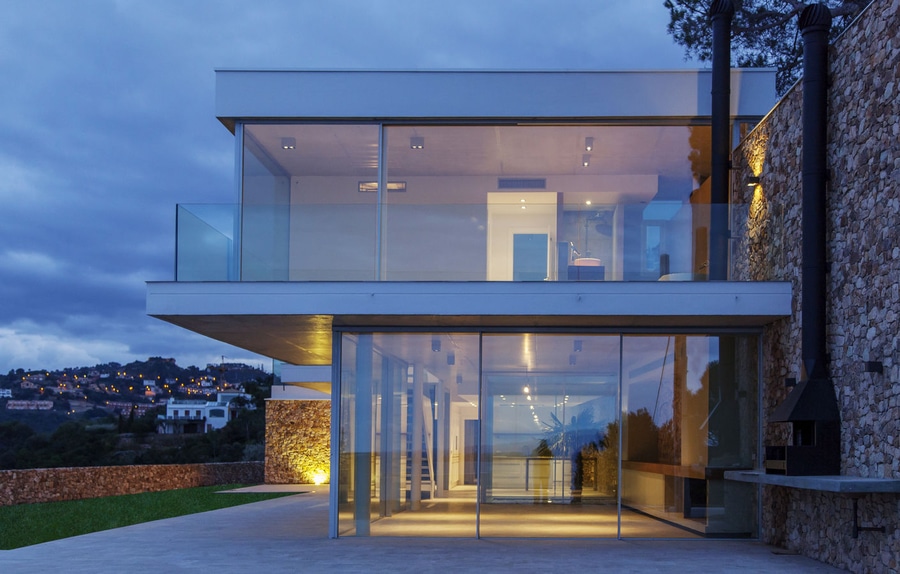
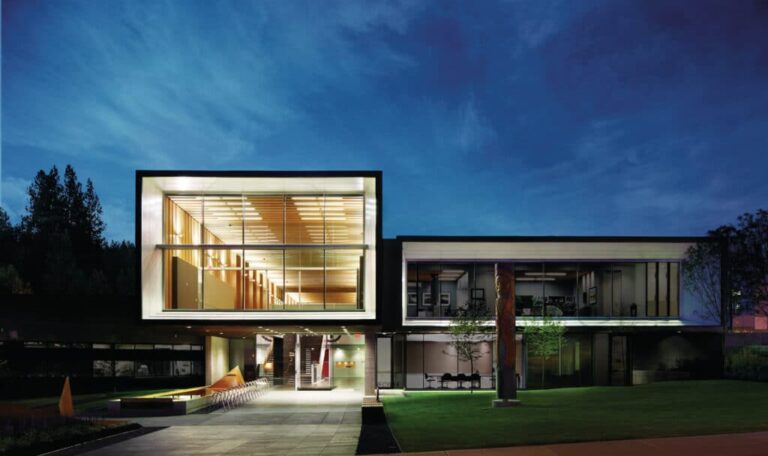
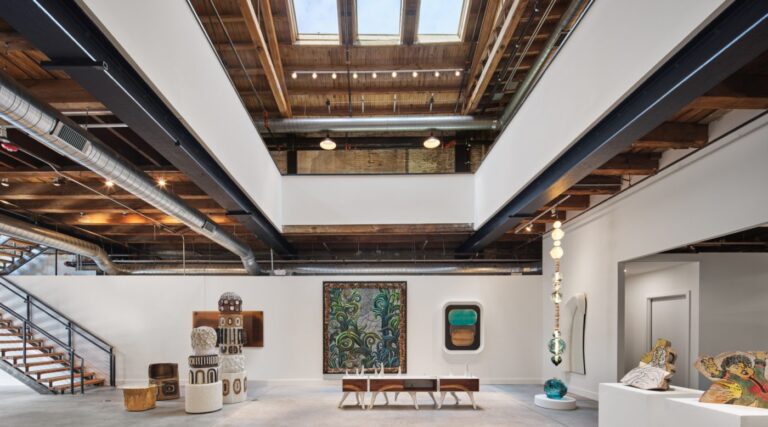
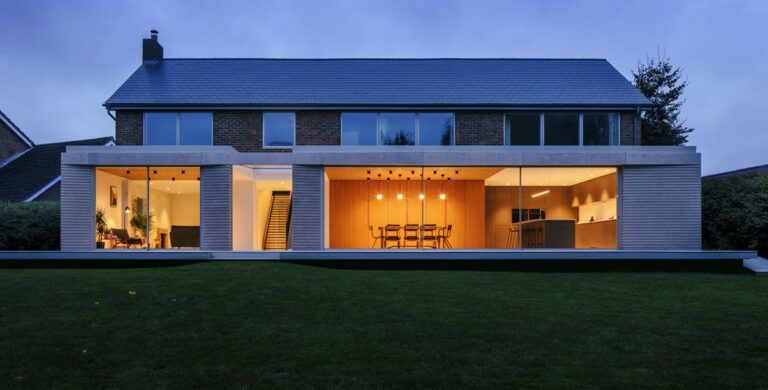
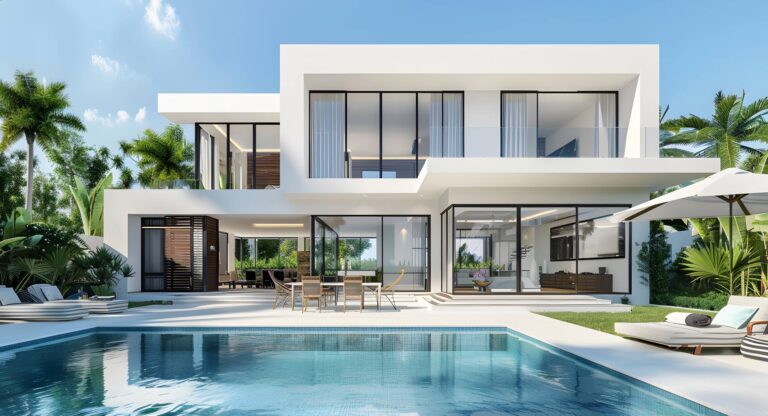
Modern dwellings are residences designed with a focus on simplicity, sustainability, and functionality. Unlike traditional homes that often emphasize ornamentation, these homes prioritize clean lines, open spaces, and natural light. They integrate modern building techniques and technologies to maximize efficiency and comfort.
The core philosophy of modern dwellings stems from the mid-20th-century modernist movement, which rejected excessive decoration in favor of practical and aesthetically pleasing spaces. Today, the idea has evolved further, incorporating smart home technology, renewable energy sources, and sustainable materials.
Key Characteristics of Modern Dwellings
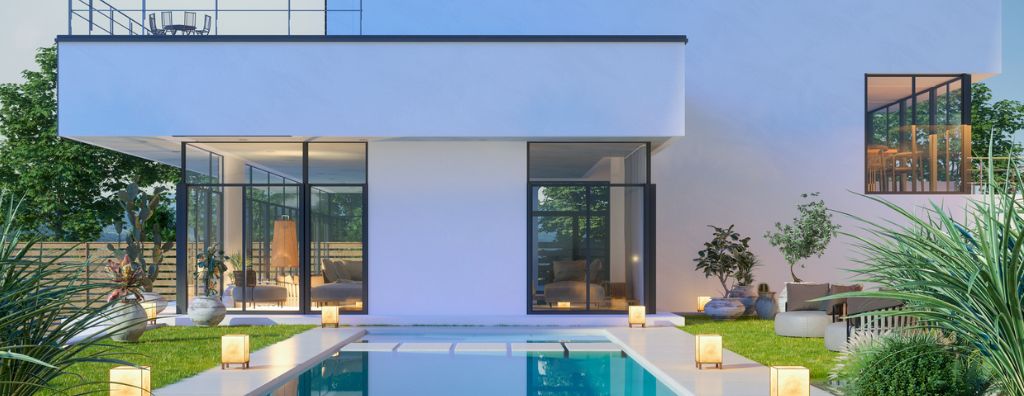
Modern dwellings often share specific design features that make them stand out. Some of the most common characteristics include:
- Open Floor Plans: Spaces flow naturally without unnecessary walls, allowing for flexibility and multi-purpose use.
- Large Windows and Natural Light: Floor-to-ceiling glass is a staple, reducing the reliance on artificial lighting.
- Minimalist Aesthetic: Clean lines, neutral colors, and uncluttered layouts dominate.
- Sustainable Materials: Reclaimed wood, bamboo, and recycled metals are frequently used.
- Smart Technology Integration: Automation systems for lighting, heating, and security are common.
These characteristics not only enhance aesthetic appeal but also address the need for sustainable and future-ready homes.
Real-World Examples of Modern Dwellings
Fallingwater by Frank Lloyd Wright
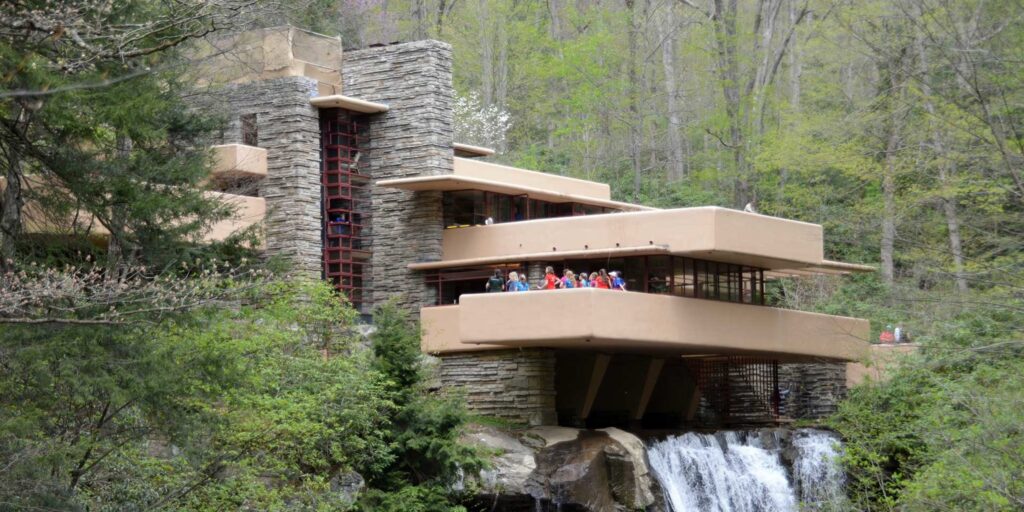
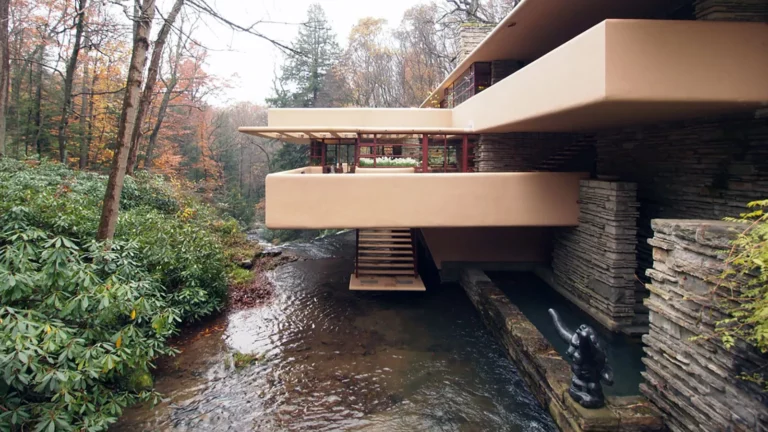
One of the most iconic modern dwellings is Fallingwater in Pennsylvania, designed by Frank Lloyd Wright. Built directly over a waterfall, this house perfectly integrates architecture with nature. The cantilevered terraces blend seamlessly with the rocky landscape, while large windows provide panoramic views. Fallingwater demonstrates how modern dwellings harmonize with their natural environment while maintaining functionality.
The Glass House by Philip Johnson
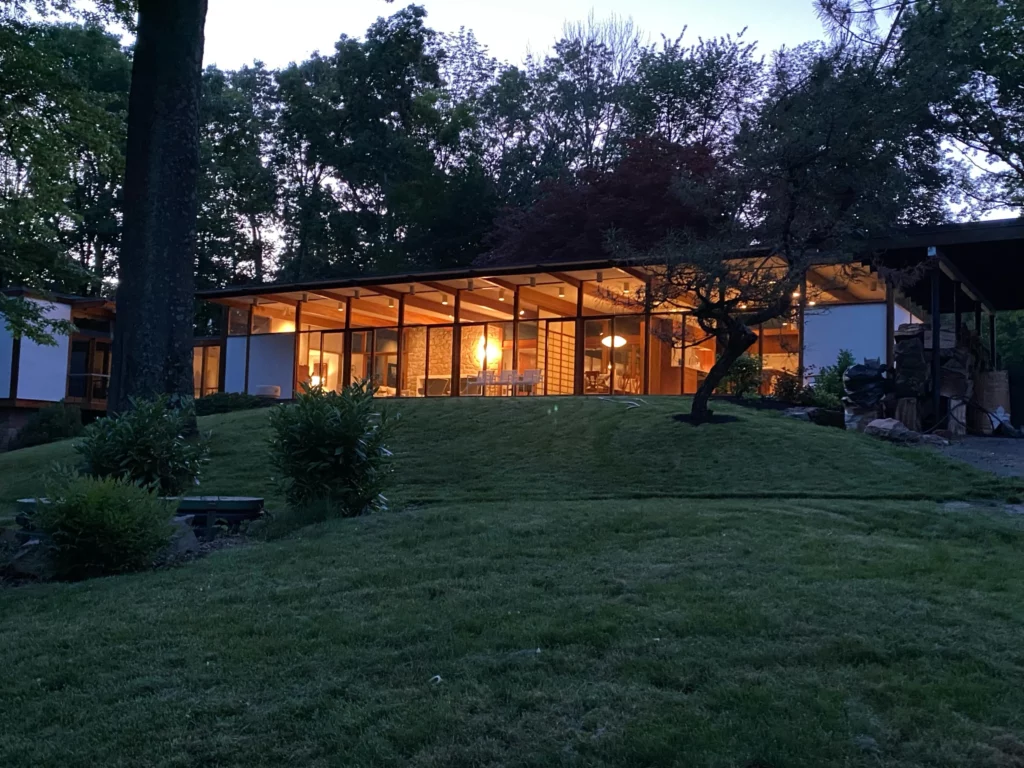
Philip Johnson’s Glass House is another celebrated example of modern dwelling design. Completed in 1949, this residence is almost entirely made of glass and steel, emphasizing transparency and openness. The structure challenges conventional ideas of privacy and space while showcasing the architectural elegance of simplicity.
Case Study House No. 22 (Stahl House)
The Stahl House, perched in the Hollywood Hills, epitomizes mid-century modern architecture. Its glass walls provide sweeping views of Los Angeles, while its minimalist structure emphasizes functionality. This dwelling has become a cultural icon, often featured in films and architectural publications.
Contemporary Eco Homes
Beyond historic examples, many contemporary eco homes represent the future of modern dwellings. These residences integrate solar panels, rainwater harvesting systems, and smart home automation. They are designed not only for luxury but also for energy efficiency and environmental responsibility.
Benefits of Modern Dwellings
Modern dwellings offer a wide range of benefits that address today’s lifestyle and environmental concerns.
- Energy Efficiency
Large windows, solar panels, and insulation systems reduce energy consumption. Smart technology optimizes heating and cooling, minimizing waste. - Sustainable Living
Using recycled materials and eco-friendly construction techniques, modern dwellings reduce environmental impact while creating healthier indoor spaces. - Aesthetic Appeal
Minimalist and elegant designs create spaces that feel timeless and versatile, appealing to a wide range of homeowners. - Flexibility
Open layouts and modular designs allow for future modifications, adapting to changing family needs or lifestyles. - Integration with Nature
Modern dwellings often emphasize indoor-outdoor harmony, using gardens, courtyards, or terraces to blur boundaries between home and environment.
The Role of Technology in Modern Dwellings
Technology plays a central role in the evolution of modern dwellings. Smart home systems enable homeowners to control lighting, climate, and security from their smartphones. Energy monitoring devices help track usage patterns and reduce waste.
In addition, modern construction techniques such as 3D printing and modular building accelerate development while reducing costs and material waste. Homes are also increasingly designed with built-in systems for renewable energy, making them self-sufficient and future-proof.
Why Modern Dwellings Matter in Real Life
Modern dwellings solve several real-world problems and improve daily living experiences.
- Urban Living Solutions: In densely populated cities, compact but efficient modern apartments maximize limited space without sacrificing comfort.
- Climate Adaptation: Homes built with advanced insulation and passive cooling strategies reduce the need for excessive energy use in hot or cold climates.
- Sustainable Communities: Entire neighborhoods of modern dwellings are being designed around eco-friendly infrastructure, reducing overall carbon footprints.
- Work-From-Home Adaptation: Open layouts and flexible spaces provide ideal conditions for creating home offices without compromising design flow.
These use cases demonstrate how modern dwellings are not just architectural styles but practical solutions to contemporary challenges.
Conclusion
Modern dwellings embody the balance between beauty, functionality, and sustainability. They represent how architecture adapts to modern life, offering homes that are efficient, stylish, and future-oriented. From historic icons like Fallingwater and The Glass House to today’s eco-friendly smart homes, the concept of modern dwellings continues to evolve, shaping the way people live and interact with their environments.
Frequently Asked Questions
1. What makes a dwelling “modern”?
A dwelling is considered modern when it emphasizes clean lines, open layouts, natural light, and sustainable materials. It often incorporates smart technology and eco-friendly solutions.
2. Are modern dwellings more expensive to build?
While modern dwellings may initially cost more due to advanced materials and technologies, they often save money in the long run through energy efficiency and reduced maintenance.
3. Can traditional homes be renovated into modern dwellings?
Yes, many homeowners renovate traditional houses with open floor plans, large windows, and smart systems to transform them into modern dwellings without rebuilding entirely.