Modern Home Roof Designs: Innovations, Benefits, and Real-World Examples
Modern home roof design has evolved far beyond traditional gable styles and asphalt shingles. Today’s architecture embraces roofs as both functional and aesthetic elements, incorporating energy-efficient technologies, sustainable materials, and striking geometric forms. A modern home roof is no longer just a shelter; it is a statement of style, environmental responsibility, and innovation.
This article explores the world of modern home roofing in detail, providing insights into different design approaches, technological advancements, practical benefits, and real-world examples of homes that have redefined how we think about rooftops.
Understanding the Concept of Modern Home Roofs
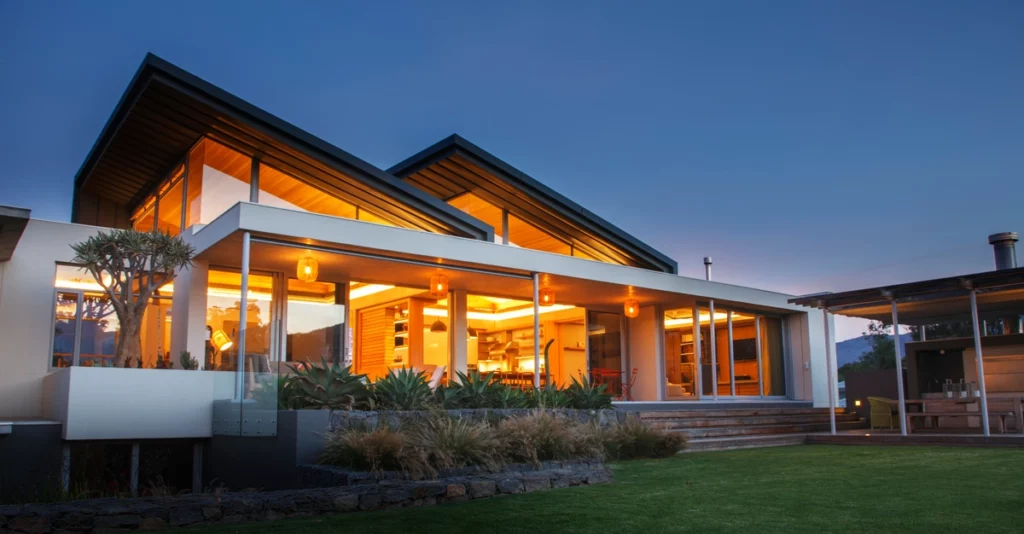
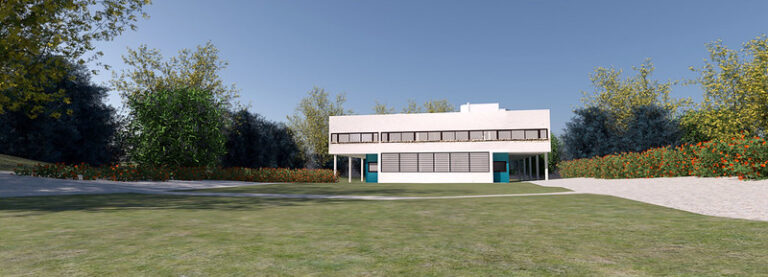
Modern home roofs prioritize simplicity, clean lines, and innovative use of materials. Unlike traditional pitched roofs, modern designs often feature flat or low-slope profiles, which complement minimalist and contemporary architecture. The integration of new materials like metal panels, solar tiles, and green roof systems allows homeowners to achieve both durability and sustainability.
What sets modern roofing apart is its dual role in enhancing energy efficiency while elevating aesthetic appeal. By merging architecture with environmental technologies, modern roofs support sustainable living and create homes that reflect current lifestyle values.
Key Characteristics of Modern Roof Design
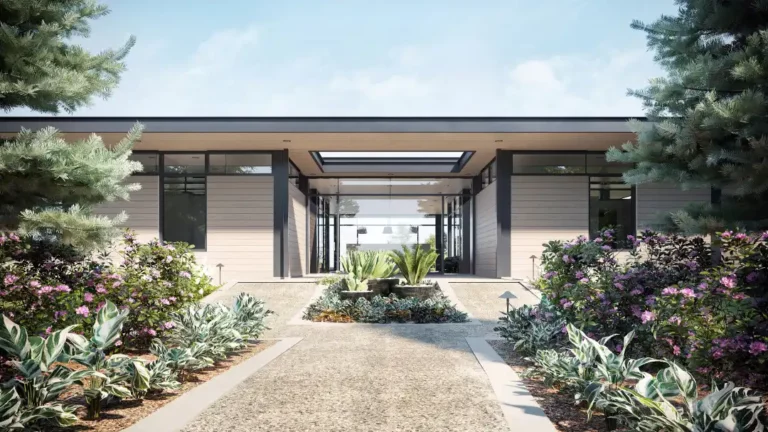
Modern roof design focuses on balance, offering both practical function and visual beauty. The main features often include flat or slightly inclined planes, extended overhangs for shade, and large open areas that complement glass-heavy facades.
Materials like reinforced concrete, steel, and eco-friendly composites are commonly used to ensure long-term durability. A defining characteristic is the integration of technology: solar panels, rainwater harvesting systems, and green roofing solutions are incorporated seamlessly into the design.
Benefits of Technology in Modern Home Roofs
The application of technology in roofing has revolutionized how homeowners think about energy and resource management. Modern roof technologies allow buildings to generate electricity, regulate indoor temperature, and minimize environmental impact.
For example, solar-integrated roofing tiles can reduce dependency on traditional power sources. Green roofing technology not only improves insulation but also provides environmental benefits like reducing the heat island effect in urban settings. Smart roofing systems now monitor temperature, humidity, and leaks, giving homeowners greater control and peace of mind.
Real-World Examples of Modern Home Roof Designs
Flat Roof with Solar Tile Integration
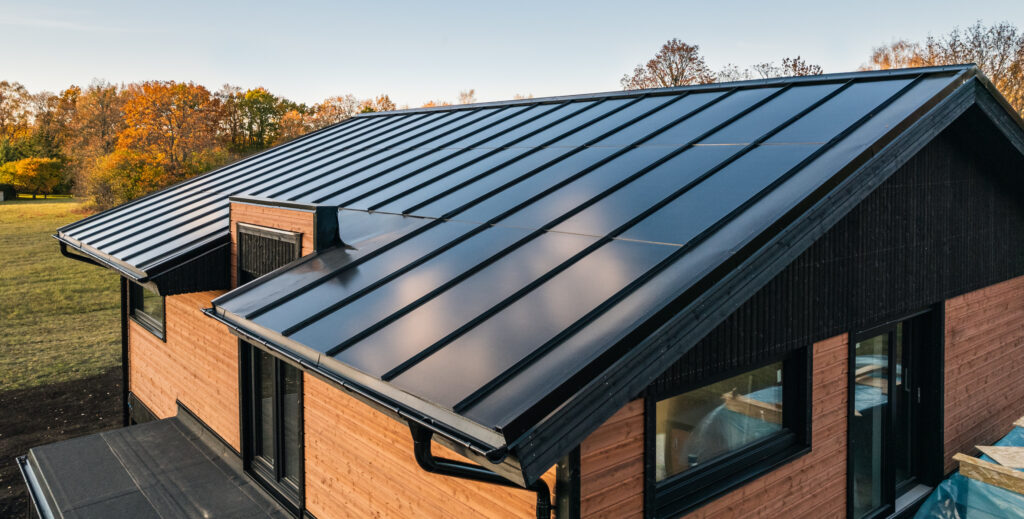
One of the most popular modern home roof designs is the flat roof with solar tile systems. Unlike bulky panels, solar tiles integrate directly into the roof material, offering a seamless look. This design not only creates clean architectural lines but also transforms the roof into a renewable energy generator.
Homes in California and Arizona have widely adopted this roofing solution, where abundant sunlight makes it practical and cost-efficient. Such designs represent how aesthetics and sustainability can coexist, making them an essential part of modern living.
Green Roof Systems
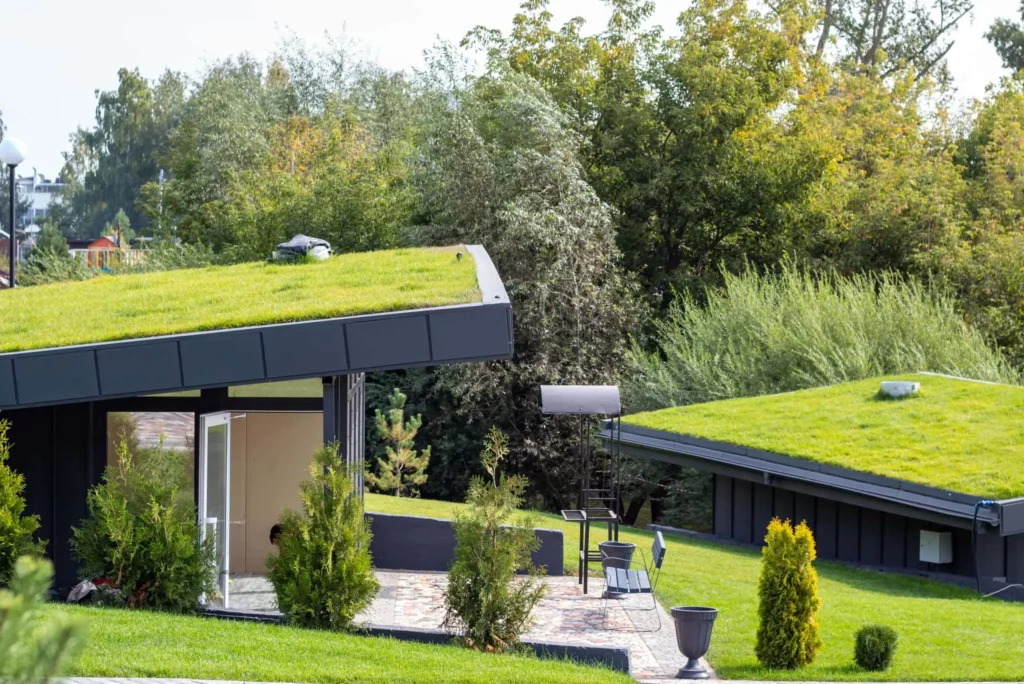
Green roofing is an excellent example of modern design meeting sustainability. In cities like New York and Singapore, entire residential complexes feature green roofs covered with vegetation. These roofs act as natural insulators, reduce urban heat, and provide small-scale ecosystems in dense urban environments.
The visual appeal of a rooftop garden also adds tranquility to modern homes. Beyond aesthetics, it improves air quality and reduces stormwater runoff, making it an eco-conscious choice that benefits both homeowners and their communities.
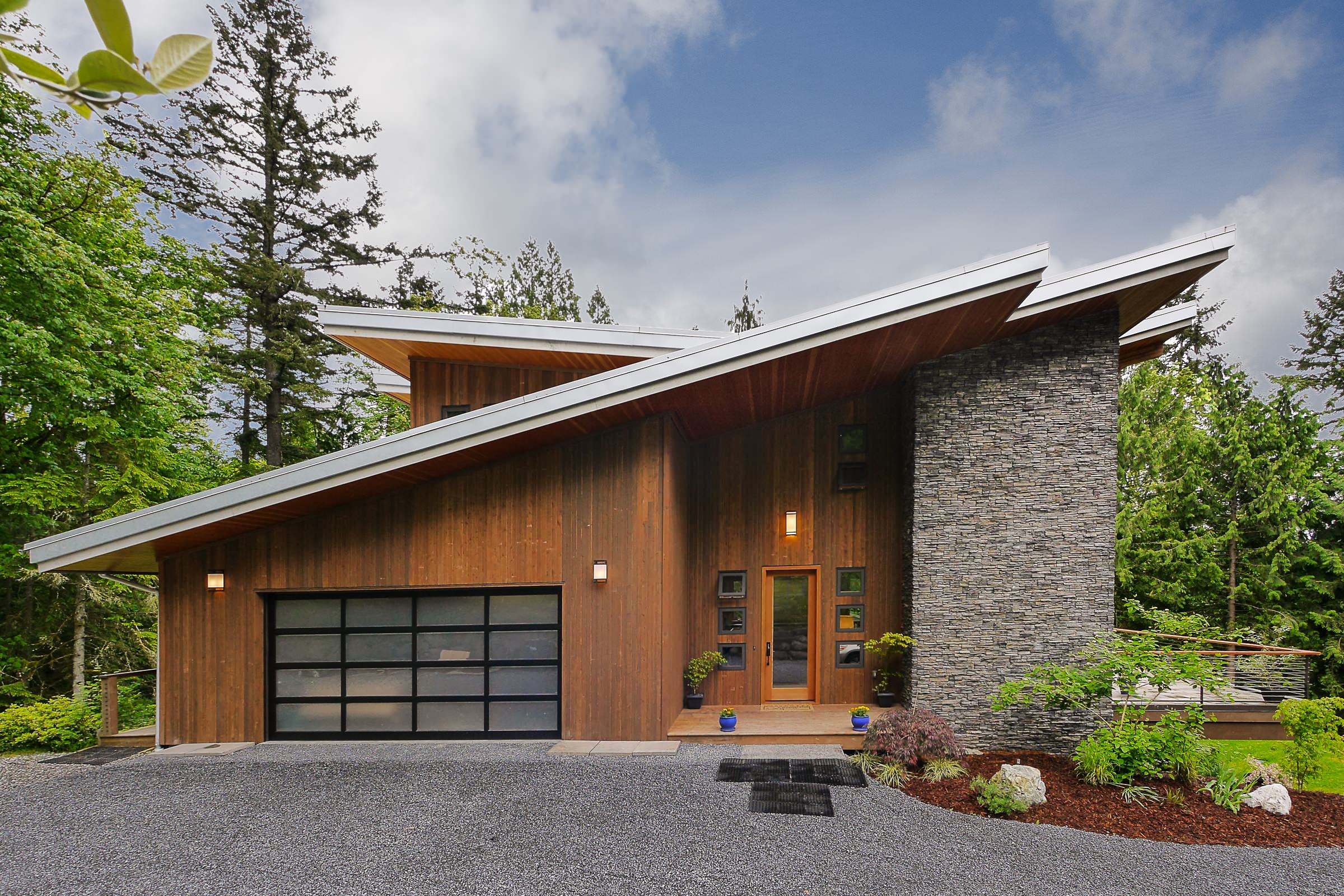
Butterfly Roof Design
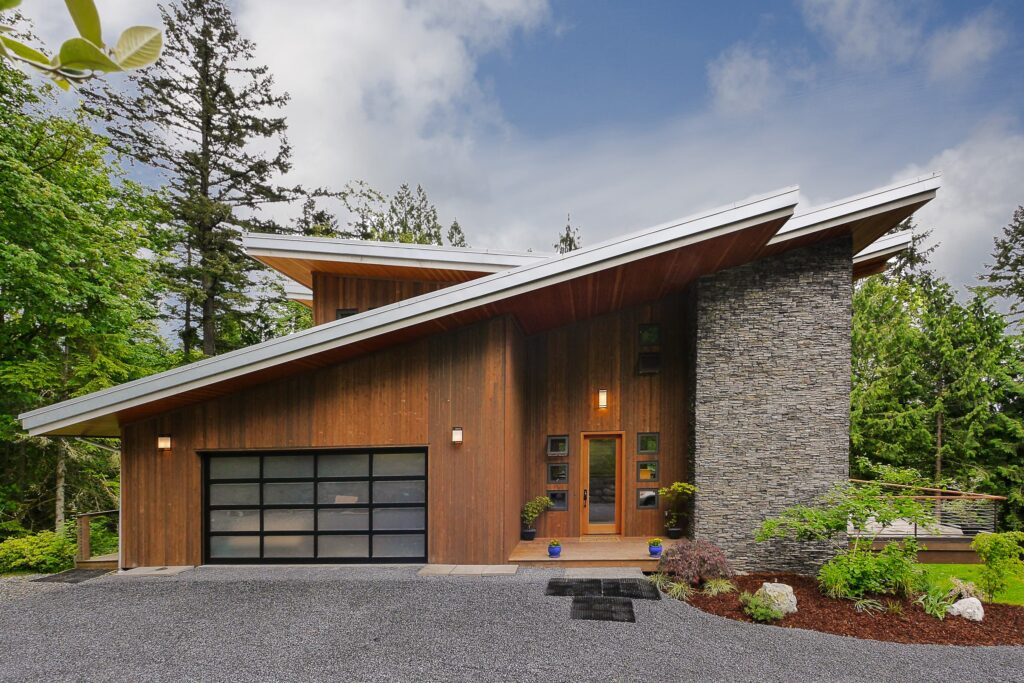
The butterfly roof, shaped like an open book, is a striking modern design that enhances both appearance and efficiency. Its inward slopes naturally channel rainwater into collection systems, supporting water conservation efforts.
This roof style is often paired with floor-to-ceiling windows, allowing for expansive views and natural light. Butterfly roofs are commonly seen in mid-century modern homes and continue to inspire contemporary architects due to their sculptural form and sustainable functionality.
Metal Roofing for Minimalist Homes
Modern homes often incorporate sleek metal roofing materials like standing seam steel panels. These roofs are durable, resistant to weather extremes, and offer a futuristic aesthetic that complements minimalist design.
Metal roofs are also highly reflective, reducing heat absorption and improving energy efficiency. Their long lifespan and low maintenance make them a practical choice for homeowners seeking both form and function in their modern home roof.
Curved Roof Structures
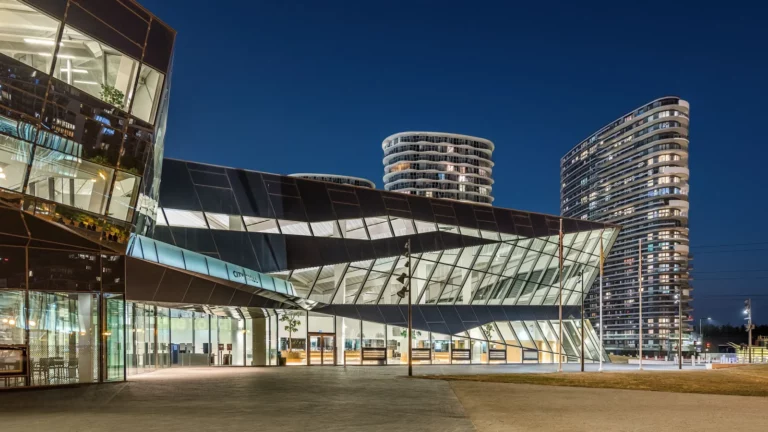
Curved roof structures represent the most artistic side of modern architecture. Found in high-end residences and experimental homes, these roofs use advanced engineering to create fluid, wave-like designs.
Besides their dramatic appearance, curved roofs are aerodynamically efficient, reducing wind resistance in storm-prone areas. They demonstrate how modern roof technology can combine artistic freedom with practical performance.
Practical Benefits of Modern Home Roofs
Modern home roofs provide numerous advantages beyond aesthetics. They improve insulation, reduce energy costs, and increase property value. For instance, green roofs lower cooling expenses in summer, while solar-integrated roofs generate long-term energy savings.
Another benefit is durability. Materials like reinforced steel and advanced composites withstand weather extremes better than traditional shingles. Additionally, modern roofs often require less maintenance, which reduces long-term costs for homeowners.
How Modern Roofs Solve Real-Life Problems
Modern home roofs address pressing global and individual challenges. For example, in urban areas with high pollution, green roofs help clean the air and reduce heat accumulation. In regions with frequent power outages, solar roofs provide backup energy solutions, ensuring households remain functional.
For homeowners in flood-prone areas, butterfly and sloped roof designs improve rainwater management, preventing water damage. In hot climates, reflective materials like metal roofs significantly reduce heat gain, making homes more comfortable while lowering reliance on air conditioning.
Future Trends in Modern Roofing
The future of modern home roofs is tied closely to sustainability and smart technology. Expect to see more AI-powered roofing systems that automatically adjust insulation and ventilation. The use of recycled materials in roofing will also expand, making eco-friendly construction more accessible.
Another emerging trend is multifunctional roof structures that serve as gardens, energy producers, and even recreational spaces. This evolution ensures that the roof of a home becomes an integral part of modern living, not just a protective covering.
Frequently Asked Questions
1. What materials are most commonly used in modern home roofs?
Modern home roofs often use concrete, steel, metal panels, solar-integrated tiles, and eco-friendly composites. These materials offer durability, energy efficiency, and compatibility with contemporary architecture.
2. How does a green roof benefit homeowners?
Green roofs provide natural insulation, reduce energy costs, and create eco-friendly spaces. They also improve air quality, manage stormwater runoff, and increase overall property value.
3. Are modern home roofs more expensive than traditional roofs?
While modern roofs can require higher upfront investment due to advanced materials and technology, they often save money in the long run through reduced energy costs, lower maintenance, and longer lifespans.