Modern Buildings: Design, Innovation, and Real-World Examples in Contemporary Architecture
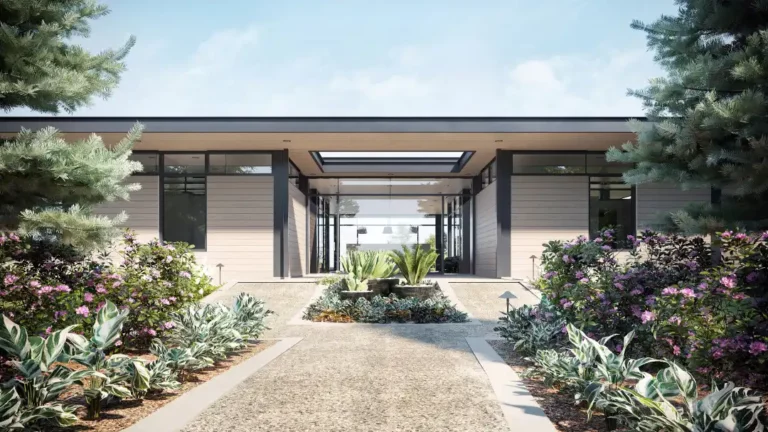
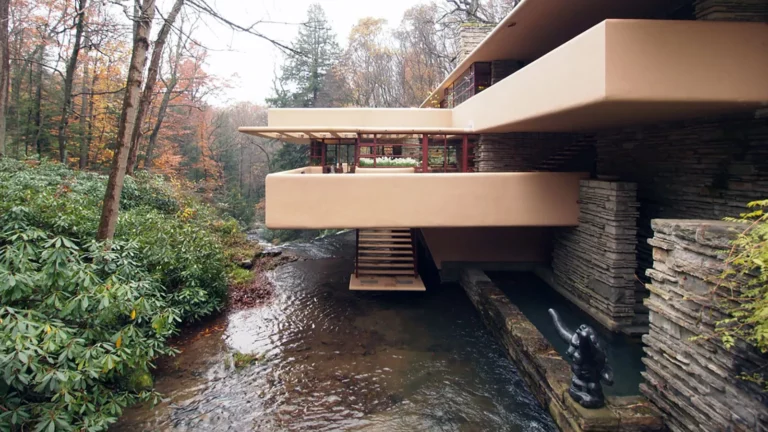
Modern buildings define the skylines of today’s cities and stand as symbols of innovation, culture, and progress. They are not only functional spaces but also visual representations of how society adapts to environmental challenges, population growth, and technological advancement. Unlike traditional architecture, which often focuses on ornamentation, modern buildings emphasize clean lines, functional layouts, and materials that reflect efficiency and sustainability.
The evolution of modern buildings is closely tied to industrial and technological growth in the 20th century. Architects began experimenting with new materials such as steel, glass, and reinforced concrete, enabling the creation of structures that were taller, lighter, and more flexible. Today, modern buildings continue to evolve, integrating smart systems, renewable energy, and eco-friendly innovations that make them relevant for the future.
Key Characteristics of Modern Buildings
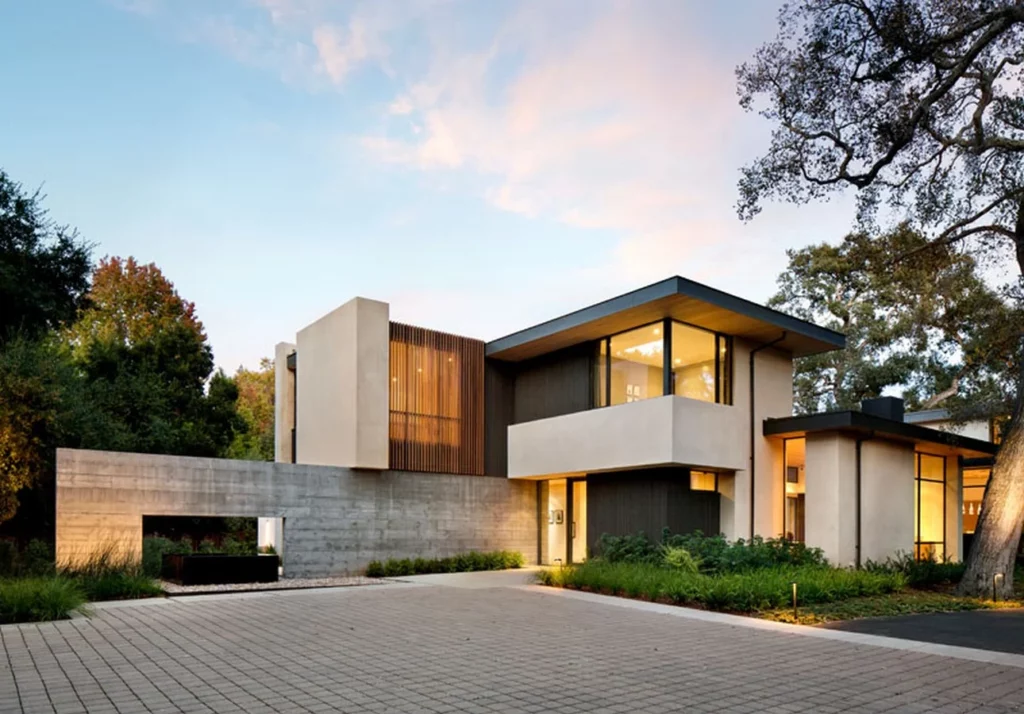
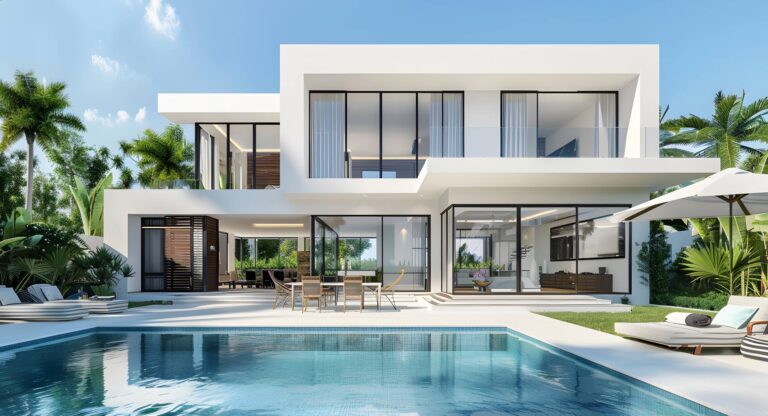
Modern buildings are distinguished by several unique features that separate them from older styles. The first is minimalism. Ornamentation is stripped away in favor of functional, geometric forms. This creates a sleek aesthetic that aligns with modern lifestyles.
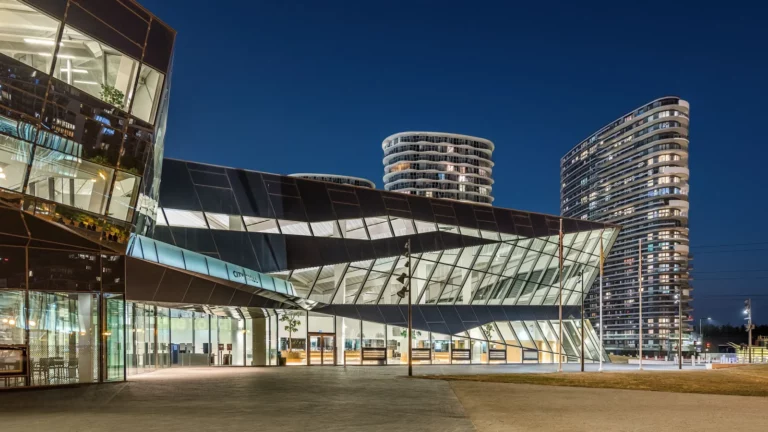
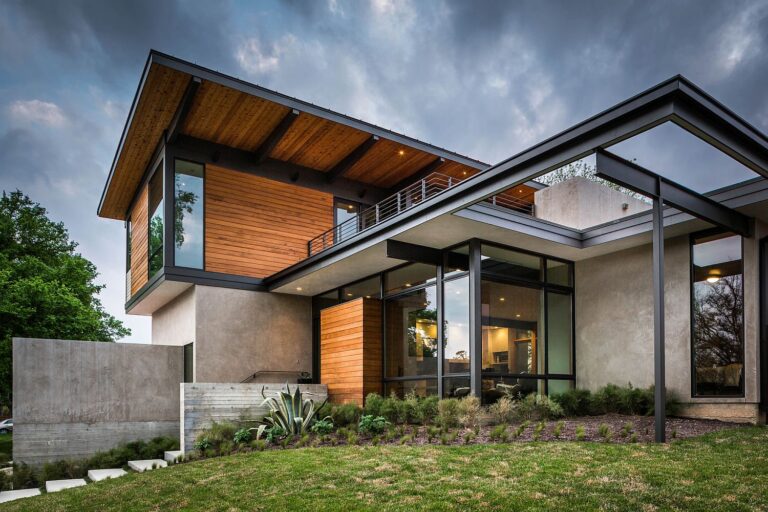
The second defining trait is the use of technology and new materials. Large glass facades, steel frameworks, and advanced composites allow for lighter structures that can rise higher than ever before. These materials also help create expansive interiors with open floor plans and abundant natural light.
Another characteristic is the integration of sustainability. Many modern buildings feature green roofs, vertical gardens, solar panels, and water recycling systems. These innovations not only reduce the building’s ecological footprint but also improve the quality of life for occupants.
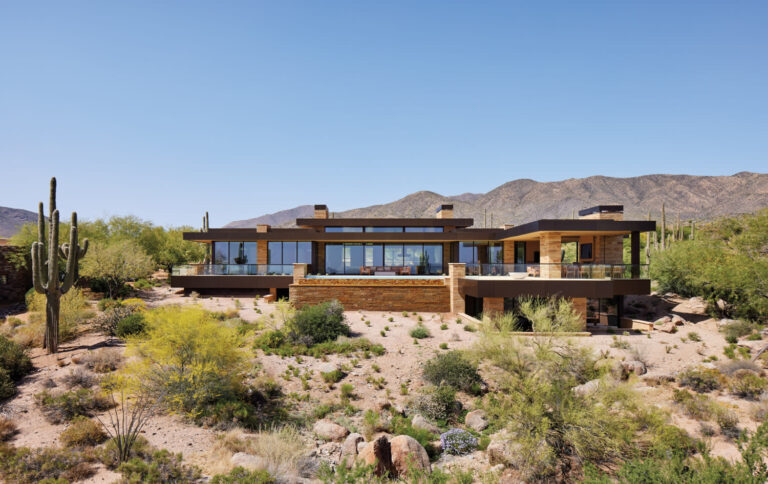
Finally, modern architecture is often contextual, meaning that it seeks harmony with its environment, whether that’s a bustling city center, a waterfront, or a suburban neighborhood.
Iconic Real-World Examples of Modern Buildings
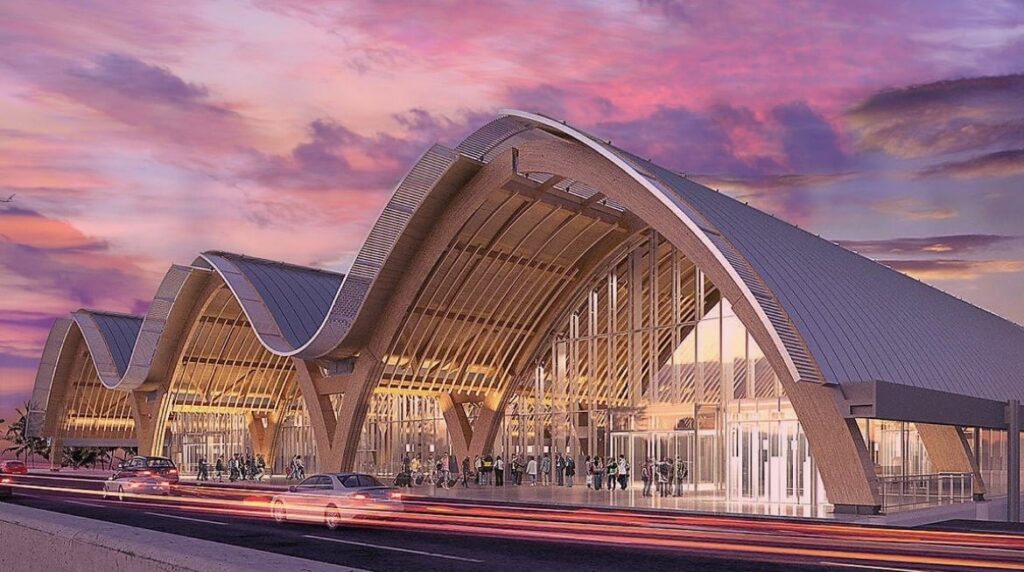
Burj Khalifa, Dubai
The Burj Khalifa is the tallest building in the world, standing at 828 meters. Completed in 2010, it represents a pinnacle of engineering and design. Its sleek, tapering structure was inspired by Islamic architecture but realized using modern materials and methods.
Beyond its impressive height, the Burj Khalifa integrates luxury residences, offices, and observation decks. It demonstrates how modern buildings can combine commercial, cultural, and residential purposes in a single vertical city. Its energy-efficient systems and innovative design solutions set new standards for skyscraper construction.
The Sydney Opera House, Australia
The Sydney Opera House, designed by Danish architect Jørn Utzon, is one of the most iconic modern buildings in the world. Completed in 1973, it is celebrated for its dramatic sail-shaped roofs that symbolize both modern innovation and Australia’s cultural identity.
While visually stunning, the Opera House is also a highly functional performing arts center. It highlights how modern buildings can merge artistic vision with practical utility. Its design continues to inspire architects to think creatively about blending form and function.
One World Trade Center, New York
One World Trade Center is a modern skyscraper that rises 1,776 feet above New York City. Completed in 2014, it stands as both an engineering achievement and a cultural symbol of resilience after 9/11.
The building features advanced safety systems, sustainable energy integration, and a design that honors the past while looking toward the future. Its structure is an example of how modern buildings can embody history, sustainability, and innovation all at once.
Bosco Verticale, Milan
The Bosco Verticale in Milan is a residential project that brings greenery into the heart of the city. Completed in 2014, its two towers are covered with more than 20,000 trees and plants, creating an urban forest in the sky.
This building demonstrates how modern architecture can directly address environmental concerns. By reducing air pollution, moderating temperatures, and providing habitats for wildlife, Bosco Verticale shows how architecture can positively impact both people and the planet.
The Louvre Pyramid, Paris
Designed by I. M. Pei and completed in 1989, the Louvre Pyramid in Paris is a striking example of modern architecture coexisting with historical structures. The glass and steel pyramid serves as the main entrance to the world’s most famous museum.
Its transparent design contrasts with the surrounding classical architecture yet blends harmoniously, symbolizing the meeting of tradition and modernity. The pyramid has since become one of the most photographed landmarks in the world, underlining the cultural influence of modern architecture.
Benefits of Technology in Modern Buildings
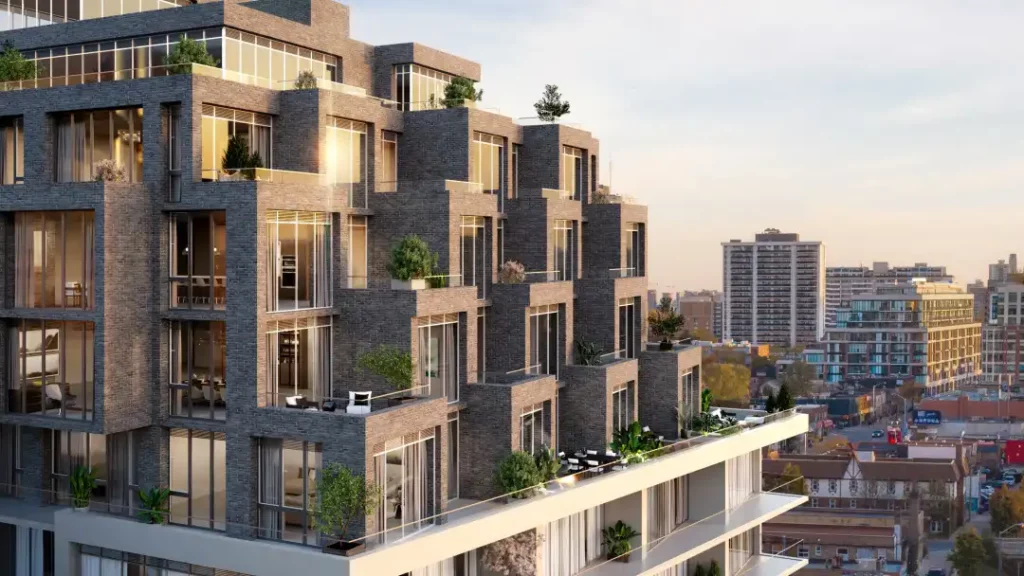
Technology is at the core of modern architecture, enabling buildings to be safer, more efficient, and more sustainable.
One major benefit is energy efficiency. Smart lighting systems, solar panels, and advanced HVAC systems reduce energy consumption. Automated building management systems monitor performance and optimize energy use, making these buildings eco-friendly and cost-effective.
Another advantage is structural innovation. High-strength steel and reinforced composites allow architects to design taller and more complex structures than ever before. Earthquake-resistant systems and wind-resistant materials also make modern skyscrapers safer.
Technology also enhances occupant comfort and safety. Smart glass adjusts to light levels, indoor air systems maintain healthy environments, and automated safety systems respond quickly in emergencies. Together, these innovations make modern buildings highly adaptive to human needs.
Practical Use Cases of Modern Buildings
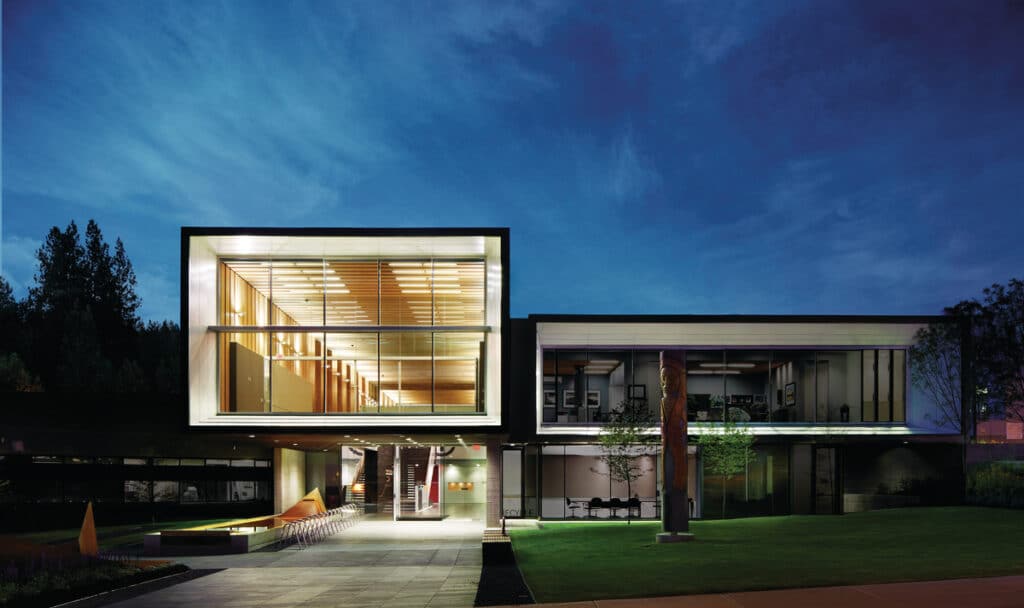
Sustainable Housing
Modern buildings are addressing global housing needs by incorporating sustainability into residential design. Eco-friendly housing complexes use renewable energy, efficient layouts, and community-centered amenities to provide comfortable and affordable living spaces. This makes them essential in solving urban housing crises.
Business Innovation Centers
Modern office buildings are designed for innovation. Open floor plans, advanced digital infrastructure, and collaborative spaces enable businesses to adapt quickly to changing needs. These structures support the digital economy and foster creativity, making them vital for modern workforces.
Tourism and Culture
Many modern buildings serve as cultural landmarks that attract millions of visitors. Structures like the Guggenheim Museum in Bilbao or Marina Bay Sands in Singapore demonstrate how architecture can boost tourism, strengthen cultural identity, and drive economic growth.
Environmental Integration
Modern architecture increasingly integrates natural ecosystems into urban design. Green walls, vertical gardens, and rooftop parks not only beautify cities but also improve air quality, reduce urban heat, and create healthier living environments. This approach helps solve the environmental problems of dense urbanization.
Practical Advantages of Modern Architecture
Modern buildings bring a range of practical advantages that benefit both individuals and communities.
- Efficient Space Use: High-rise residential towers and mixed-use complexes allow for dense populations without sacrificing quality of life.
- Lower Operating Costs: Energy-efficient technologies reduce long-term utility expenses for occupants.
- Flexibility in Function: Modular layouts can be adapted for different uses, from offices to apartments, increasing a building’s lifespan.
- Environmental Impact: By using sustainable technologies and materials, modern buildings reduce carbon emissions and conserve resources.
These advantages highlight why modern architecture is not just visually appealing but also a solution to real-world challenges.
FAQ
1. What defines a modern building?
A modern building is characterized by simplicity, functional design, and the use of advanced materials such as steel, glass, and concrete. It often integrates sustainability, open layouts, and technologies that improve efficiency and comfort.
2. How do modern buildings impact the environment?
Modern buildings reduce environmental impact through features like solar panels, water recycling systems, and green roofs. They also use energy-efficient designs that cut down on emissions and resource consumption, contributing to global sustainability goals.
3. Are modern buildings only found in big cities?
While many iconic modern buildings are located in major urban centers, the principles of modern architecture are applied globally. Suburban homes, community centers, schools, and even rural projects increasingly adopt modern design for efficiency and sustainability.